
Asthma and COPD Inhalers Prescribed by UK Doctors
Asthma affects 5.4 million people in the UK. COPD affects a further 1.2 million diagnosed adults. As a GP, I treat these conditions every day. I follow the NICE/BTS stepwise approach, so each patient gets the right inhaler at the right step. Poorly controlled asthma causes 1,400 deaths each year in the UK. Most are preventable. You need to take your preventer as prescribed and keep a current written action plan.
NICE recommends low-dose ICS as step 2 therapy when you use a SABA more than twice a week, which means your asthma is not controlled
COPD patients with FEV1 below 50% predicted benefit from LABA/ICS combination inhalers, as set out in the GOLD guidelines
Using more than 3 salbutamol reliever inhaler canisters a year is a sign that your preventer therapy needs reviewing
Good inhaler technique matters: studies show 70-90% of patients use their device incorrectly
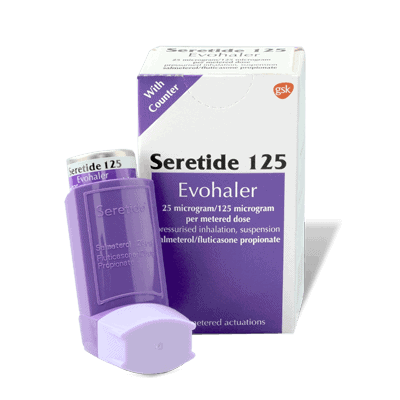
Seretide
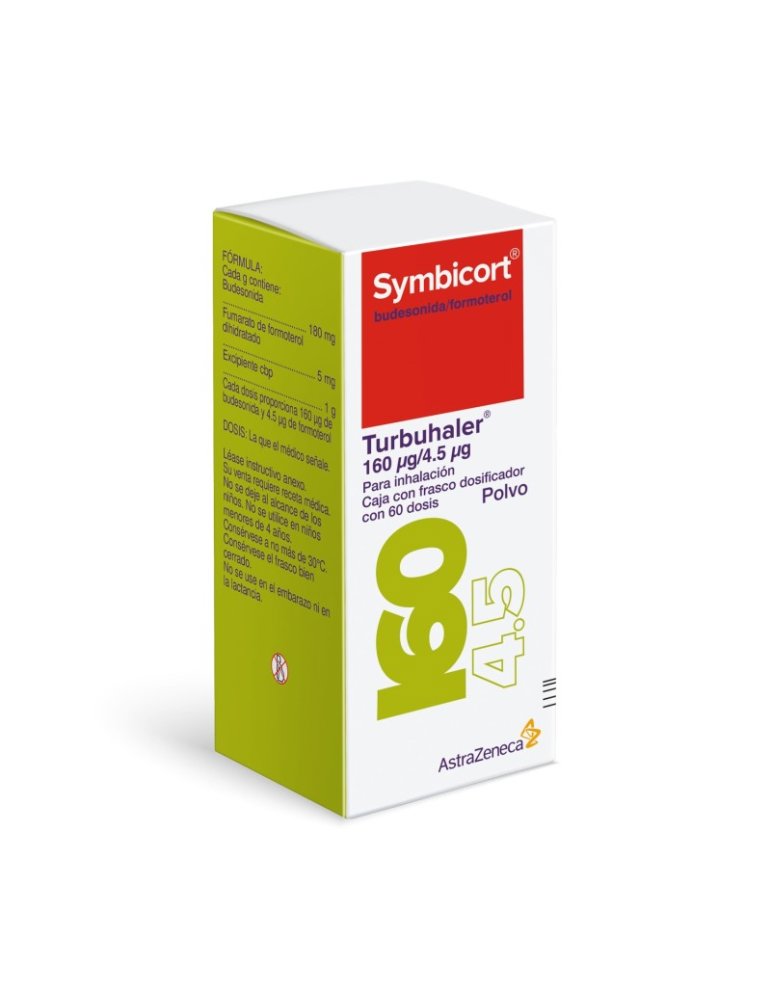
Symbicort Turbuhaler
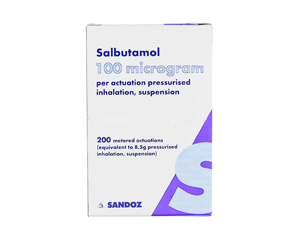
Salbutamol
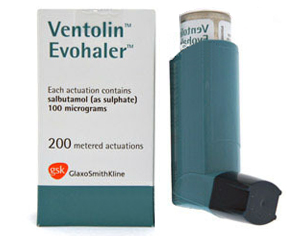
Ventolin

Bricanyl Turbohaler
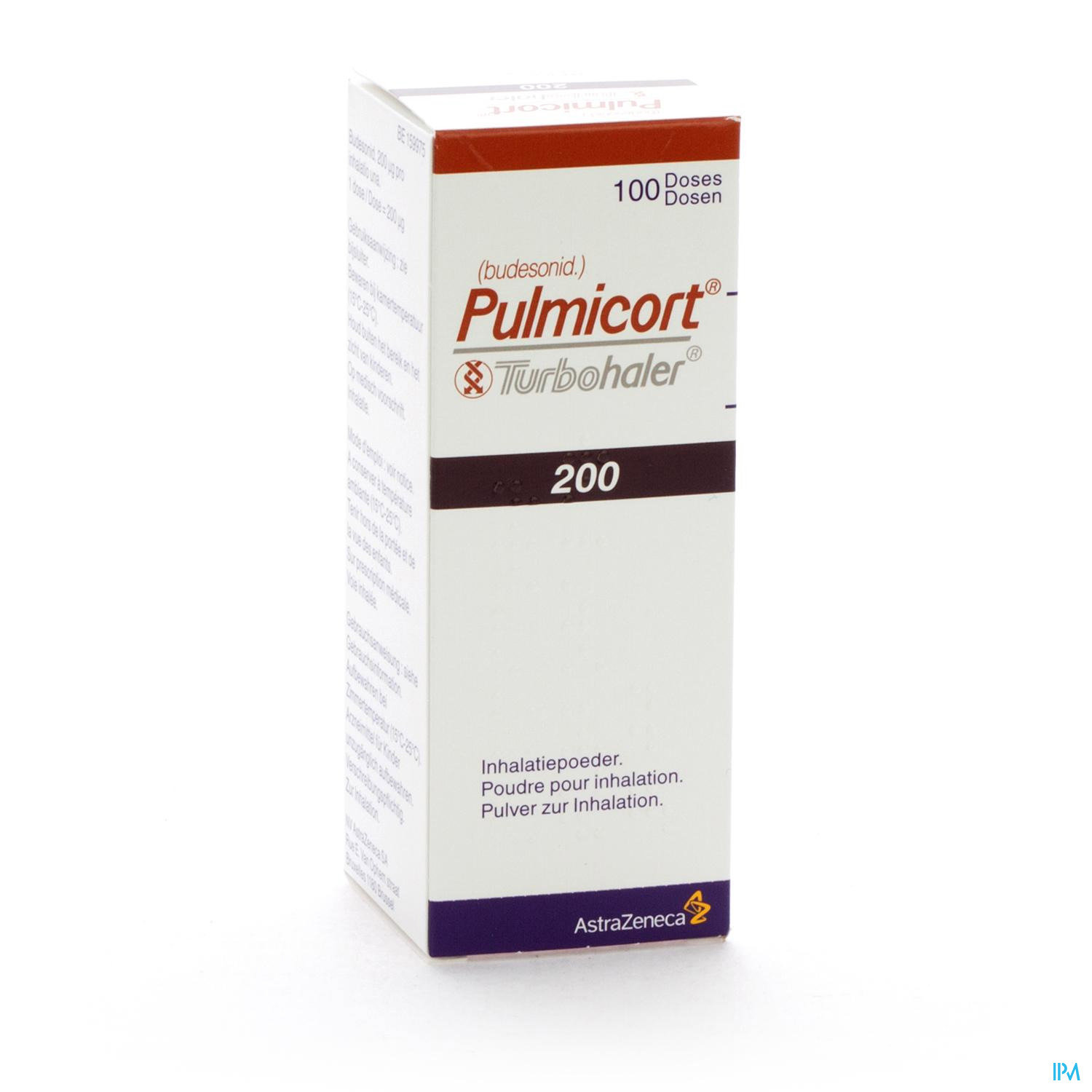
Pulmicort Turbohaler
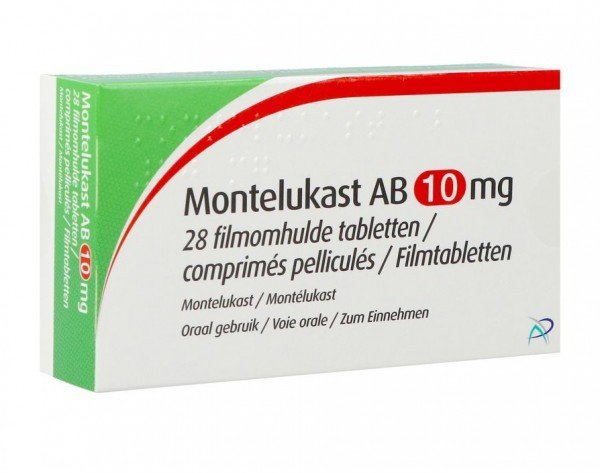
Montelukast
Flixotide
Serevent
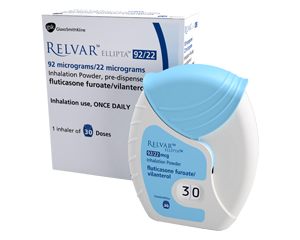
Relvar Ellipta
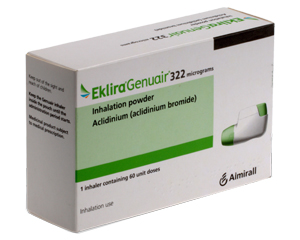
Eklira Genuair
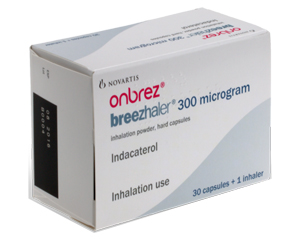
Onbrez Breezhaler
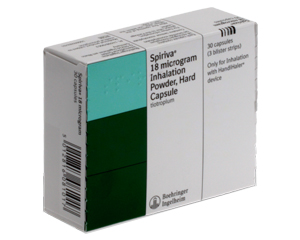
Spiriva
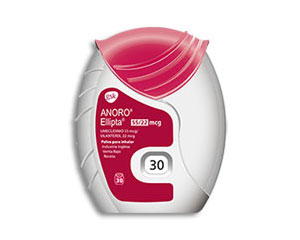
Anoro Ellipta

Atrovent
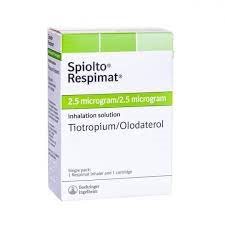
Spiolto Respimat
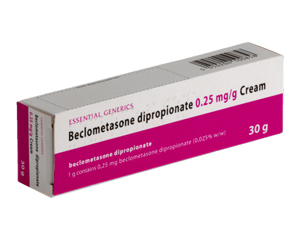
Beclometasone
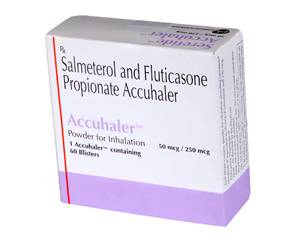
Salmeterol
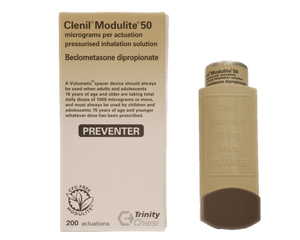
Clenil Modulite
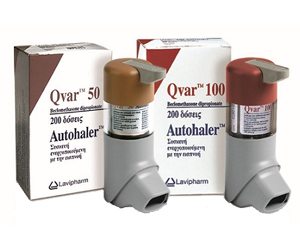
QVAR
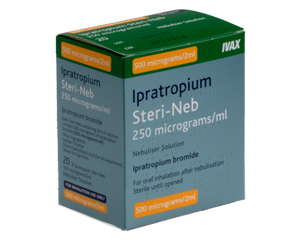
Ipratropium Steri-Neb
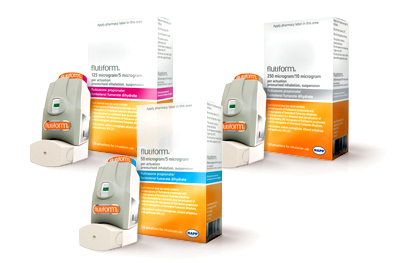
Flutiform
About Asthma & COPD
Understanding Asthma and COPD
Asthma and chronic obstructive pulmonary disease (COPD) are the two most common long-term lung conditions in the UK. Both cause breathlessness, wheeze, and cough.
But they differ in what happens in the body and in how we treat them.
Asthma is a long-term condition where the airways become inflamed. The airways tighten, but this can be reversed. They are also over-sensitive and make too much mucus.
Triggers include allergens (house dust mite, pollen, pet dander), exercise, cold air, chest infections, and things you breathe in at work.
A change in peak flow of more than 20% helps confirm the diagnosis. In the UK, asthma affects about 1 in 11 children and 1 in 12 adults. Around 5.4 million people are currently being treated for it.
COPD covers chronic bronchitis and emphysema. It is caused mainly by tobacco smoke. The airways narrow over time, and this is largely permanent.
We confirm it with a breathing test called spirometry, which shows a post-bronchodilator FEV1/FVC ratio below 0.70. COPD affects an estimated 1.2 million diagnosed people in the UK.
The real figure may be double this, because many people are never diagnosed.
The main differences between the two conditions are:
- Asthma usually starts before age 40. COPD usually starts after 40 in people with a long smoking history.
- Asthma changes a lot through the day and reacts to triggers. COPD symptoms are more constant.
- In asthma, a bronchodilator opens the airways well (FEV1 improves by more than 12% and 200 mL). In COPD, it helps much less.
- Asthma involves eosinophil cells in the inflammation. COPD involves neutrophil cells.
Some people have features of both conditions. We call this asthma-COPD overlap (ACO). It occurs in about 15-20% of people with obstructed airways.
These patients tend to have more flare-ups and may need parts of both treatment plans.
Both conditions are serious if not managed well. Asthma causes about 1,400 deaths a year in the UK. Most are thought to be preventable. COPD is the fifth leading cause of death in England.
It is also the second most common reason for an emergency hospital admission.
Inhaler Types and the Stepwise Approach
The NICE and British Thoracic Society (BTS) guidelines use a stepwise approach for asthma. We step treatment up until your asthma is controlled, then step it down once you are stable.
COPD treatment follows the GOLD (Global Initiative for Chronic Obstructive Lung Disease) framework.
Step 1 - SABA reliever only: Short-acting beta-agonists such as salbutamol (Ventolin, Salamol) 100 mcg, 2 puffs as needed, open the airways fast.
They start to work within 5 minutes and last 4-6 hours. This step suits only people with occasional, mild symptoms. If you use a SABA more than twice a week, you need to step up.
Step 2 - Add low-dose ICS: Inhaled corticosteroids are the main preventer in asthma.
Beclometasone (Clenil) 200-400 mcg daily, budesonide (Pulmicort) 200-400 mcg daily, or fluticasone propionate (Flixotide) 100-250 mcg daily calm the inflammation in the airways.
This cuts flare-ups and lowers the risk of dying from asthma. NICE now also recommends a low-dose ICS/formoterol combination (MART regimen) as an option at this step.
Step 3 - Add LABA or increase ICS: Long-acting beta-agonists such as salmeterol or formoterol are added.
These usually come in a combination inhaler (Seretide, Symbicort, Fostair). In asthma, a LABA must never be used without an ICS, because this raises the risk of death.
Step 4 - Medium/high-dose ICS + LABA: Raise the ICS to a medium or high dose within the combination inhaler.
You might add a leukotriene receptor antagonist (montelukast 10 mg daily) or a long-acting muscarinic antagonist (LAMA, e.g. tiotropium).
Step 5 - Specialist therapies: Referral for biologic treatments (omalizumab, mepolizumab, benralizumab) or oral corticosteroids, under specialist care.
For COPD, the first treatment depends on your symptoms and how often you have flare-ups:
- Group A (few symptoms, few flare-ups): SABA or SAMA as needed
- Group B (more symptoms): LABA or LAMA as regular treatment
- Group E (frequent flare-ups): LABA/LAMA combination; add an ICS if blood eosinophils are above 300 cells/mcL
The inhaler device matters as much as the drug. Metered-dose inhalers (MDIs) need you to breathe in at the same time as you press. Dry powder inhalers (DPIs) release the dose when you breathe in.
A spacer used with an MDI helps more of the drug reach the lungs, rising from about 10% to 20%. It also cuts side effects in the mouth and throat.
Achieving and Maintaining Asthma Control
Asthma is well-controlled when you have few daytime symptoms (fewer than twice a week), no waking at night, no limit on daily activities, normal lung function, and you use your reliever no more than twice a week.
The Asthma Control Test (ACT) is a 5-item questionnaire that scores control from 5 (poorly controlled) to 25 (fully controlled). The target is 20 or above.
Good treatments are available, but UK audit data shows asthma is still not well-controlled in about 45% of patients. The most common reasons are:
- Not taking the preventer: Only 30-40% of patients take their ICS as prescribed. Electronic monitoring shows many people use their preventer now and then rather than every day. This weakens its effect on inflammation.
- Poor inhaler technique: Studies show that 70-90% of patients make at least one important mistake with their inhaler. Common errors include not shaking an MDI, not breathing out fully before they inhale, and breathing in too fast with a DPI.
- Hidden triggers: Allergens (dust mites, mould, pet dander), things you breathe in at work, and acid reflux can all keep symptoms going.
Self-management supported by NICE guidance includes:
- A written personal asthma action plan, which cuts the risk of hospital admission by 30-40%
- Peak flow monitoring: measure your peak flow (PEF) morning and evening; a drop below 80% of your personal best means your control is getting worse
- Spotting early warning signs: using your reliever more, coughing at night, finding exercise harder
- A yearly flu vaccine and a pneumococcal vaccine if you are eligible
Controlling your environment:
- Allergen-proof covers on your mattress and pillows to cut dust mite exposure
- Keep indoor humidity below 50% to stop mould growing
- Avoid known triggers such as tobacco smoke, strong perfumes, and cold dry air
- Ask about an occupational health referral if your symptoms get worse at work
You should have a clinical review at least once a year.
This includes spirometry, a check of your inhaler technique, a check that you are taking your medication, and a formal review of your asthma control.
If you use 3 or more SABA canisters a year, you need an urgent review of your preventer therapy.
COPD Management and Exacerbation Prevention
COPD treatment aims to ease symptoms, help you do more, and prevent flare-ups. Unlike asthma, the airway narrowing in COPD cannot be fully reversed.
But good medication clearly improves quality of life and cuts hospital admissions.
Stopping smoking is the single most important step. It slows the fast decline in FEV1 from about 60 mL/year back towards the normal age-related rate of 25-30 mL/year.
Varenicline (Champix), nicotine replacement therapy, and behavioural support are all available through NHS Stop Smoking Services. Quit rates reach 25-30% at 12 months.
Medication follows the GOLD guidelines:
- SABA (salbutamol) or SAMA (ipratropium) for fast relief
- LABA (formoterol, salmeterol, indacaterol) for ongoing breathlessness
- LAMA (tiotropium, glycopyrronium, umeclidinium), the most effective single bronchodilator class in COPD, which cuts flare-ups by 20-25%
- LABA/LAMA combinations (Ultibro, Anoro, Spiolto) for people with ongoing symptoms on one drug
- Triple therapy (ICS/LABA/LAMA, such as Trelegy, Trimbow) for people with frequent flare-ups and blood eosinophils above 100 cells/mcL
ICS use in COPD is more limited than in asthma. NICE recommends adding an ICS only when flare-ups continue despite two bronchodilators and blood eosinophils are raised.
Using an ICS when it is not needed in COPD raises the risk of pneumonia by 30-50%.
Pulmonary rehabilitation is an exercise and education programme that runs for 6-8 weeks.
Cochrane review data shows it improves breathlessness, fitness, and quality of life better than any single medicine. Everyone with MRC breathlessness grade 3 or above should be referred.
Managing flare-ups:
- Rescue pack: prednisolone 30 mg daily for 5 days, plus a standby antibiotic (amoxicillin or doxycycline)
- 2-3 flare-ups a year means you should review your regular inhaler treatment
- A follow-up within 2 weeks of a flare-up to check recovery and adjust treatment
Oxygen therapy (LTOT, long-term oxygen therapy for at least 15 hours a day) is used when your resting PaO2 falls below 7.3 kPa on a stable blood gas test.
Portable oxygen helps people whose oxygen levels drop during exercise.
Ordering Inhalers Through Dr. Presc
You can get repeat inhaler prescriptions through Dr. Presc after a clinical assessment. This assessment matches the standards used in NHS primary care.
The service is for patients who already have a lung diagnosis and need easy access to their regular inhalers.
The consultation looks at:
- Your current diagnosis and how severe it is
- Your inhaler history: which devices and doses you use now
- Your symptom control: how often you use your reliever, night-time symptoms, limits on activity
- Your flare-up history: oral steroid courses or emergency visits in the past 12 months
- Your smoking status and what you have been exposed to
- How well you take your medication and how confident you feel with your inhaler technique
The prescribing standards we follow:
- We prescribe SABA reliever inhalers alongside a preventer, never on their own for ongoing asthma
- We match the ICS dose to your current control, following the NICE/BTS steps
- We choose COPD inhalers in line with the GOLD ABCD assessment framework
- If you ask for too much SABA, we will advise you and refer you for an asthma review
Our safety checks include:
- Checking the risk of oral thrush with an ICS (we advise rinsing your mouth after each dose)
- Spotting patients on beta-blockers who need a cardioselective type only
- Flagging requests for LABA on its own in asthma patients, which is not allowed without an ICS
- Checking your flu and pneumococcal vaccination status
All prescriptions are dispensed by GPhC-registered pharmacies. We offer the full range of branded and generic inhaler devices.
Our prescribers can switch you to an equivalent device if your usual brand is out of stock.
Important limits: A new lung diagnosis needs a face-to-face assessment, including spirometry, which we cannot do remotely.
If you have an acute flare-up with severe breathlessness, blue lips or skin, or confusion, go to A&E straight away rather than booking an online consultation. Dr.
Presc is for managing ongoing treatment, not for acute care.
We still recommend a yearly review with your NHS GP or practice nurse alongside online prescribing.
This makes sure you have spirometry, your inhaler technique is watched, and your written action plan is kept up to date.
Frequently Asked Questions
How often should I use my preventer inhaler?
When should I use my blue reliever inhaler?
What is a MART regimen?
Can I get asthma inhalers without a diagnosis?
Do inhaled corticosteroids cause long-term side effects?
What is the difference between a LABA and a LAMA?
The medical information on this site is provided for educational purposes. It does not replace a face-to-face consultation with your GP or specialist. Always follow the advice of your prescribing doctor and read the patient information leaflet supplied with your medication.