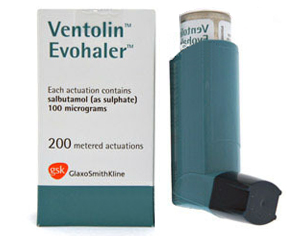
Ventolin Online UK
Incl. online consultation, medicine and discreet delivery
View Options
The medical information on this site is provided for educational purposes. It does not replace a face-to-face consultation with your GP or specialist. Always follow the advice of your prescribing doctor and read the patient information leaflet supplied with your medication.
Choose Your Medicine
Select dosage and quantity
Online Consultation
Reviewed by a qualified physician
Fast, Discreet Delivery
Delivered to your door
Medical Information
About This Medicine
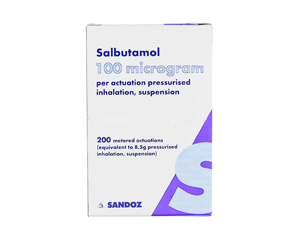
Ventolin contains salbutamol, a short-acting beta-2 agonist used to relieve acute bronchospasm in asthma, chronic obstructive pulmonary disease (COPD), and exercise-induced bronchoconstriction.
It relaxes the smooth muscle lining the airways within minutes, making it easier to breathe.
Salbutamol stimulates beta-2 adrenergic receptors on airway smooth muscle cells. This triggers a cascade that lowers intracellular calcium, causing the muscle to relax and the airways to widen.
The effect begins within five minutes of inhalation and typically lasts four to six hours.
When Ventolin Is Prescribed
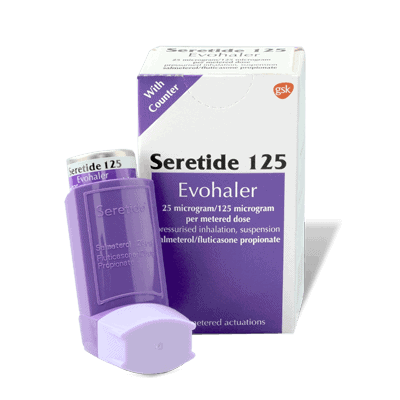
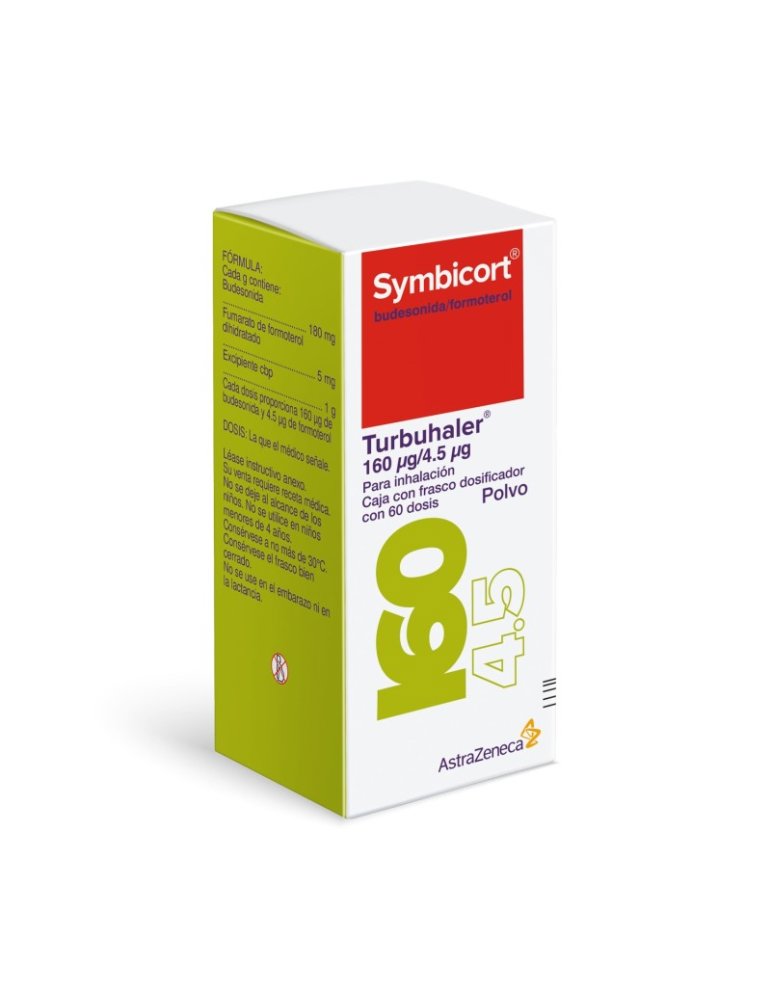
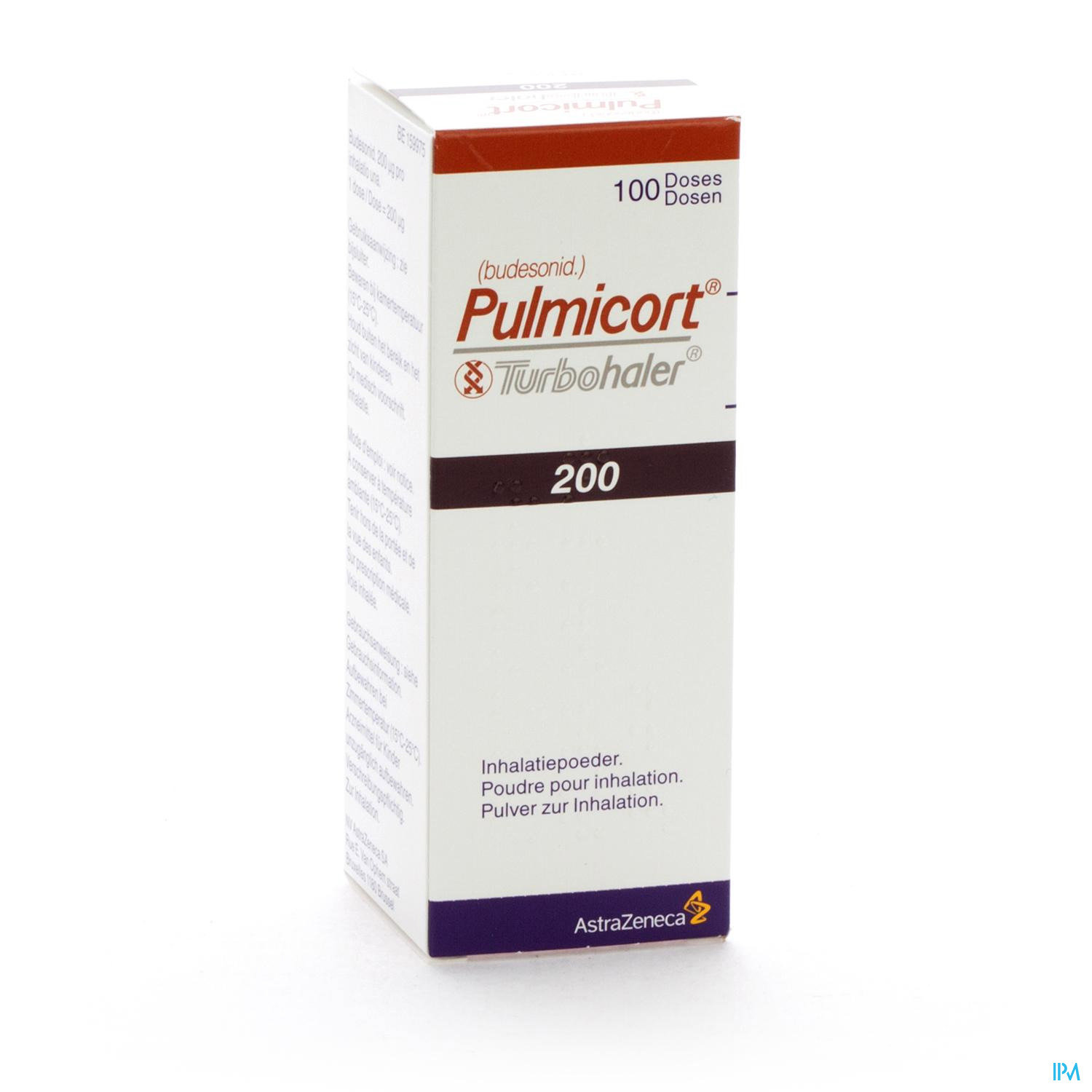
Ventolin is a reliever inhaler. It does not treat the underlying inflammation of asthma, so most patients also need a preventer inhaler such as beclometasone or fluticasone.
If you find yourself reaching for Ventolin more than twice a week, your asthma control should be reviewed.
Ventolin is available as a pressurised metered-dose inhaler, an Accuhaler dry-powder device, and a nebuliser solution.
Your prescriber will choose the form that suits your technique and clinical needs.
Usage & Dosage
Using the Metered-Dose Inhaler
Shake the inhaler well. Breathe out gently, away from the device. Place the mouthpiece between your lips, press the canister once, and breathe in slowly and deeply at the same time.
Hold your breath for about ten seconds, then breathe out normally.
If a second puff is needed, wait at least 30 seconds before repeating. Using a spacer device improves drug delivery to the lungs and reduces side effects.
Before Exercise
Inhale one or two puffs 10 to 15 minutes before physical activity to prevent exercise-induced symptoms.
General Advice
Keep Ventolin with you at all times. Do not exceed the maximum dose without medical advice. If relief lasts less than four hours or you need it more often, contact your doctor.
Adults and Adolescents (12 years and over)
- Acute relief: 1-2 puffs (100-200 micrograms) as needed, up to four times daily
- Exercise prophylaxis: 2 puffs 10-15 minutes before exertion
- Maximum: 8 puffs in 24 hours (seek review if regularly needed)
Children (4-11 years)
- 1-2 puffs as needed, preferably via a spacer with mask if under 6
- Maximum: 8 puffs in 24 hours
Nebuliser (Hospital or Home)
- Adults: 2.5-5 mg up to four times daily
- Children: 2.5 mg up to four times daily
Do not exceed the prescribed dose. Frequent use signals inadequate asthma control.
Side Effects
Common (affecting up to 1 in 10 patients)
- Fine tremor of the hands
- Headache
- Increased heart rate (tachycardia)
- Palpitations
- Muscle cramps
Uncommon (affecting up to 1 in 100 patients)
- Mouth and throat irritation
- Dizziness
- Restlessness or nervousness
Rare (affecting up to 1 in 1,000 patients)
- Low potassium levels (hypokalaemia), which may cause muscle weakness
- Paradoxical bronchospasm (worsening wheeze after inhalation) - stop the inhaler and seek help immediately
Very Rare (affecting fewer than 1 in 10,000 patients)
- Cardiac arrhythmias
- Hyperactivity in children
Tremor and tachycardia are dose-related and usually settle within the first week of use. If side effects persist or trouble you, speak to your prescriber.
Warnings & Precautions
Overuse and Asthma Control
Increasing reliever use is a warning sign. If you need Ventolin on most days, your preventer therapy may need stepping up.
Overreliance on relievers without adequate anti-inflammatory treatment increases the risk of severe attacks.
Potassium Levels
High-dose salbutamol can lower serum potassium. This risk rises when combined with theophylline, corticosteroids, or diuretics. Your doctor may check potassium levels during acute exacerbations.
Heart Conditions
Use with caution if you have ischaemic heart disease, arrhythmias, or hypertension. Report chest pain or palpitations promptly.
Diabetes
Salbutamol can raise blood glucose. Monitor levels more closely during acute treatment.
Pregnancy and Breastfeeding
Salbutamol inhalers are considered safe in pregnancy. Uncontrolled asthma carries greater risk to the baby than the medication.
Contraindications
Do not use Ventolin if you have a known allergy to salbutamol or any excipient in the formulation.
Ventolin should not be used as the sole or main treatment for asthma without a concurrent anti-inflammatory preventer.
Use with caution (not absolutely contraindicated) in thyrotoxicosis, severe cardiovascular disease, and phaeochromocytoma. Discuss these conditions with your prescriber before starting treatment.