
Prescription Weight-Loss Treatments from UK Prescribers
Obesity is a chronic medical condition, not a lifestyle choice. As a prescribing clinician, I see patients who have tried every diet without lasting results. The reason is biology: the body fights to undo calorie restriction. GLP-1 receptor agonists and other proven medicines now offer clear weight loss of 10-15% when paired with behavioural support. You may be eligible at a BMI of 30, or a BMI of 27 if you also have related health problems.
Semaglutide (Wegovy) led to mean weight loss of 14.9% over 68 weeks in the STEP 1 clinical trial
GLP-1 agonists cut appetite by copying fullness hormones and by slowing gastric emptying by 30-40%
NICE advises medication when BMI is above 30, or above 27 with weight-related health problems
Orlistat blocks about 30% of dietary fat absorption and needs a reduced-fat meal plan
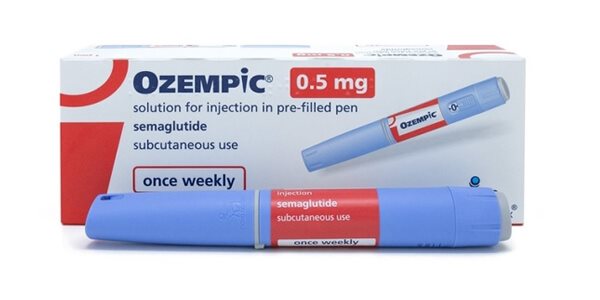
Ozempic
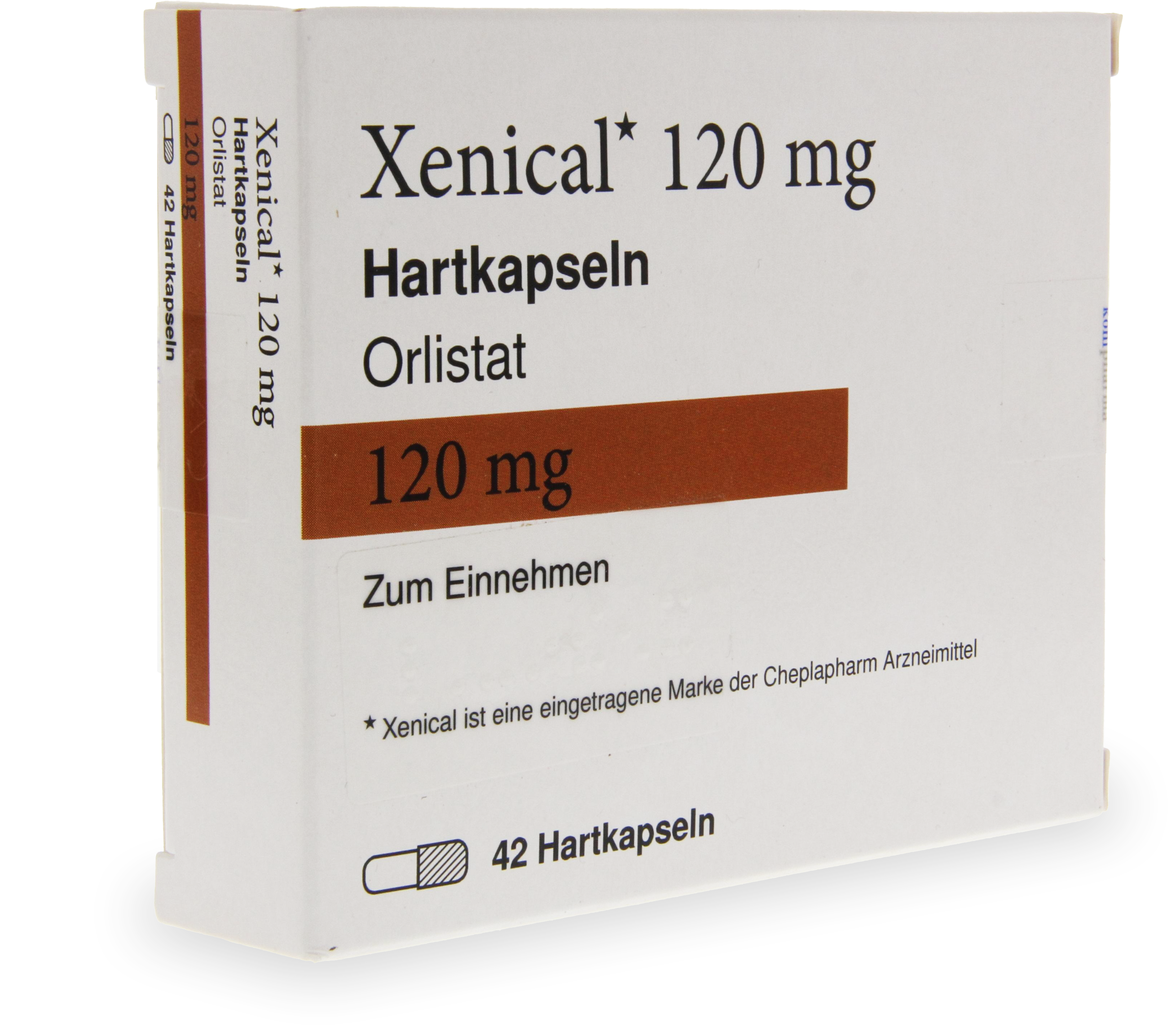
Xenical
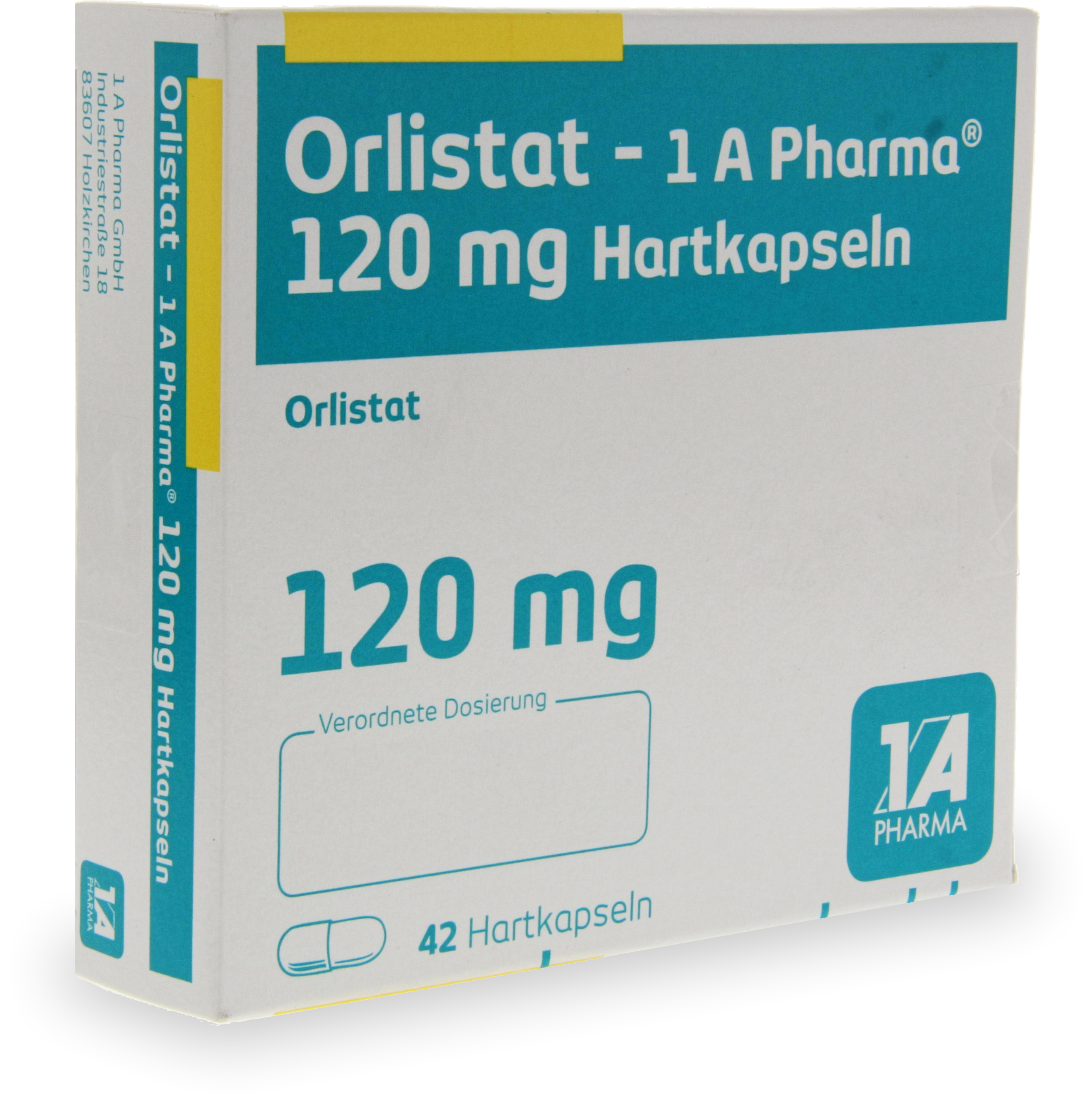
Orlistat

Wegovy

Mounjaro
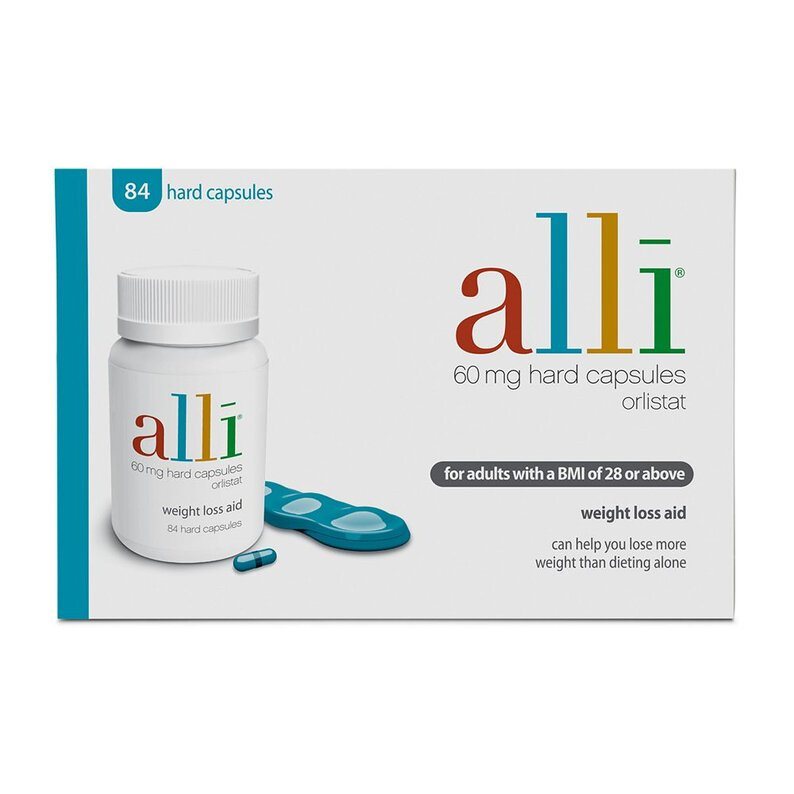
Alli
About Weight Loss
The Medical Case for Prescription Weight Loss
The World Health Organization and NHS England recognise obesity as a chronic, relapsing disease.
It is driven by neurohormonal dysregulation, meaning the hormones and nerves that control hunger and fat storage stop working normally. It is not simply about eating too much.
In the UK, 26% of adults are obese (BMI 30+) and a further 38% are overweight. This places a heavy strain on the heart, metabolism, joints, and muscles.
When your weight goes up, the hypothalamus (the part of the brain that controls hunger) resets its "set point" and defends it hard.
You develop leptin resistance, so your brain stops sensing your fullness signal. Ghrelin, the hunger hormone, surges when you cut calories.
Adaptive thermogenesis then lowers your resting energy use by 10-15%. This is why 80% of people who lose weight by dieting regain it within five years.
The body actively works to restore its old weight.
Clinical consequences of untreated obesity are extensive:
- Type 2 diabetes risk rises 7-fold at BMI 35+
- Hypertension (high blood pressure) is twice as common as in normal-weight adults
- Obstructive sleep apnoea affects 40% of people with a BMI above 35
- Osteoarthritis of the knee develops 4-5 times more often
- Certain cancers (endometrial, colorectal, post-menopausal breast) become more likely as weight rises
Losing just 5-10% of your weight brings measurable gains. Systolic blood pressure drops by 5-8 mmHg. HbA1c (a measure of long-term blood sugar) falls by 5-10 mmol/mol in people with diabetes.
Triglycerides (a blood fat) decrease by 15-20%.
These benefits sit behind the NICE advice that medication should be considered when lifestyle changes alone have not worked well enough after 3-6 months.
Prescription weight-loss treatment is not a shortcut. It corrects the biological disadvantage that makes lasting weight loss so hard.
This lets patients reach and hold weight reductions that truly matter.
Available Prescription Treatments
UK doctors prescribe three main classes of weight-loss medicine. Each one works in a different way.
GLP-1 receptor agonists are the biggest advance in treating obesity. Semaglutide (Wegovy) is a once-weekly injection under the skin. The dose is built up slowly from 0.
25 mg to a maintenance dose of 2.4 mg over 16-20 weeks. In the STEP 1 trial, it gave a mean weight loss of 14.9%, against 2.4% with a placebo, at 68 weeks.
Liraglutide (Saxenda) is a daily injection at 3.0 mg and gives about 8% weight loss. Both drugs switch on GLP-1 receptors in the brain that control appetite and fullness.
They also slow how fast the stomach empties.
Orlistat (Xenical, 120 mg three times daily with meals) blocks pancreatic lipase, an enzyme in the gut. This stops your body absorbing about one-third of the fat you eat.
Average weight loss is 5-7% over 12 months. The fat you do not absorb causes gut side effects, such as oily stools, wind, and a sudden need to open your bowels.
These effects encourage you to stick to a low-fat diet.
Naltrexone/bupropion (Mysimba) combines an opioid blocker with a noradrenaline-dopamine reuptake inhibitor. Together they act on the brain's appetite centre and its reward pathway.
Expected weight loss is 5-8% at one year.
Eligibility follows NICE Technology Appraisal guidance:
- BMI 30+ (or 27.5+ for South Asian, Black African, and Black Caribbean people)
- BMI 27+ with at least one weight-related health problem (type 2 diabetes, hypertension, dyslipidaemia, OSA)
- Clear effort with diet and physical activity changes
Your prescriber will work out which medicine fits your situation. They will look at how well you tolerate injections, the other medicines you take, and your heart health history.
What the Clinical Evidence Shows
The evidence for modern weight-loss medicine is strong and still growing. Knowing the trial data helps you set realistic goals and make informed choices.
The STEP programme (Semaglutide Treatment Effect in People with Obesity) is a set of phase 3 trials. STEP 1 enrolled 1,961 adults without diabetes. It showed 14.
9% mean weight loss at 68 weeks with semaglutide 2.4 mg weekly. STEP 2, which included people with type 2 diabetes, showed 9.6% weight loss. STEP 3 added intensive behavioural therapy and reached 16.
0%. Notably, 32% of STEP 1 participants lost 20% or more of their body weight.
The SCALE programme for liraglutide 3.0 mg reported 8.0% mean weight loss, against 2.6% with a placebo, over 56 weeks.
An extension study showed the effect held for three years, as long as people kept taking the medicine.
Cardiovascular outcomes are especially encouraging. The SELECT trial showed that semaglutide 2.4 mg cut major adverse cardiovascular events (heart attack, stroke, cardiovascular death) by 20%.
This was in overweight and obese adults who already had heart disease. It was a landmark finding. It proved that weight-loss medicine can deliver a real reduction in hard heart outcomes.
Common side effects of GLP-1 agonists are mostly in the gut:
- Nausea (reported by 40-45% as the dose is built up, easing in most within 4-8 weeks)
- Vomiting (about 24%)
- Diarrhoea (30%)
- Constipation (24%)
Rare but serious risks include pancreatitis (inflammation of the pancreas, in under 0.3% of people) and gallbladder problems (1.6%).
There is also a theoretical concern about medullary thyroid carcinoma (a type of thyroid cancer), based on animal data. Human evidence has not confirmed this risk.
People with a personal or family history of MEN2 or medullary thyroid cancer should not use GLP-1 agonists.
Building Habits That Sustain Weight Loss
Medication removes the hormonal barrier to weight loss. But lasting success depends on building habits you can keep.
Guidelines from NICE (CG189) and the British Obesity and Metabolic Surgery Society are clear: medicine should always go alongside diet and activity changes, never replace them.
Diet strategy matters more than counting calories alone. Eating 1.2-1.6 g of protein per kg of body weight protects lean muscle while you lose weight and helps you feel full.
Spreading protein across three meals (25-30 g per meal) gets the most from the thermic effect of food, the energy your body uses to digest it. Aim for at least 30 g of fibre a day.
Fibre supports gut health and slows how fast sugar enters your blood.
Practical diet approaches with strong evidence include:
- Mediterranean diet: linked to 30% lower heart risk in the PREDIMED trial
- Time-restricted eating (the 16:8 pattern): a small extra benefit when combined with calorie control
- Eating less ultra-processed food, which now makes up 57% of the calories UK adults eat
Physical activity should build up over time. Start with 150 minutes of moderate activity a week, such as brisk walking or cycling at a pace where you can still talk.
Then work towards 250-300 minutes a week to keep weight off. Resistance training 2-3 times a week prevents the 25-30% loss of lean muscle that usually comes with cutting calories.
Sleep and stress are often overlooked. Adults who sleep fewer than 6 hours a night have 27% higher obesity rates.
Long-term stress raises cortisol, which drives fat to build up around your organs and increases cravings for high-energy foods.
Self-monitoring is the single strongest predictor of keeping weight off for the long term. This means regular weighing, food logging, and step tracking.
It is the key habit found in the National Weight Control Registry, which has data on more than 10,000 people who kept the weight off.
Safety Considerations and Monitoring
Prescription weight-loss treatments need ongoing clinical supervision to keep you safe and get the best results. Your prescriber will set up a monitoring plan that suits the medicine you take.
For GLP-1 agonists, baseline blood tests should cover HbA1c (to find undiagnosed diabetes or track known diabetes), kidney function, liver function, and a lipid profile (your blood fats).
These are repeated every 3 months during the first year.
If you have type 2 diabetes and take insulin or sulfonylureas, your doses may need to come down as you lose weight, because the risk of hypoglycaemia (low blood sugar) goes up.
Contraindications for GLP-1 agonists, meaning reasons not to use them, include:
- A personal or family history of medullary thyroid carcinoma or MEN2 syndrome
- A history of pancreatitis (a relative contraindication that needs specialist review)
- Severe gastroparesis (very slow stomach emptying) or inflammatory bowel disease
- Pregnancy or planned pregnancy (stop semaglutide at least 2 months before trying to conceive)
For orlistat, your levels of fat-soluble vitamins (A, D, E, K) should be checked, and supplements are advised.
Orlistat may lower the absorption of levothyroxine, warfarin, ciclosporin, and oral contraceptives. You may need to take these at separate times or adjust the dose.
The MHRA has issued specific guidance on GLP-1 agonists and gallbladder disease.
Report pain in the upper right side of your tummy straight away, because fast weight loss raises the risk of gallstones. An ultrasound scan is advised if symptoms appear.
Treatment length follows NICE guidance.
If you have not lost at least 5% of your starting weight after 12 weeks on the full maintenance dose, the medicine should be stopped and other options discussed.
This rule keeps prescribing based on evidence and good value.
Every patient should be able to book follow-up consultations. These let you report side effects, talk through your progress, and get ongoing diet and behaviour support.
Weight regain after stopping is common: about two-thirds of the lost weight returns within one year. This is why some patients do better with long-term or on-and-off treatment.
Frequently Asked Questions
How much weight can I expect to lose on Wegovy?
What is the difference between Ozempic and Wegovy?
Do I need to inject myself with GLP-1 medications?
Will I regain weight after stopping the medication?
Can I take weight-loss medication if I have type 2 diabetes?
Is Orlistat still worth considering given newer treatments?
The medical information on this site is provided for educational purposes. It does not replace a face-to-face consultation with your GP or specialist. Always follow the advice of your prescribing doctor and read the patient information leaflet supplied with your medication.