Xenical Online UK
Incl. online consultation, medicine and discreet delivery
View Options
The medical information on this site is provided for educational purposes. It does not replace a face-to-face consultation with your GP or specialist. Always follow the advice of your prescribing doctor and read the patient information leaflet supplied with your medication.
Choose Your Medicine
Select dosage and quantity
Online Consultation
Reviewed by a qualified physician
Fast, Discreet Delivery
Delivered to your door
Medical Information
About This Medicine
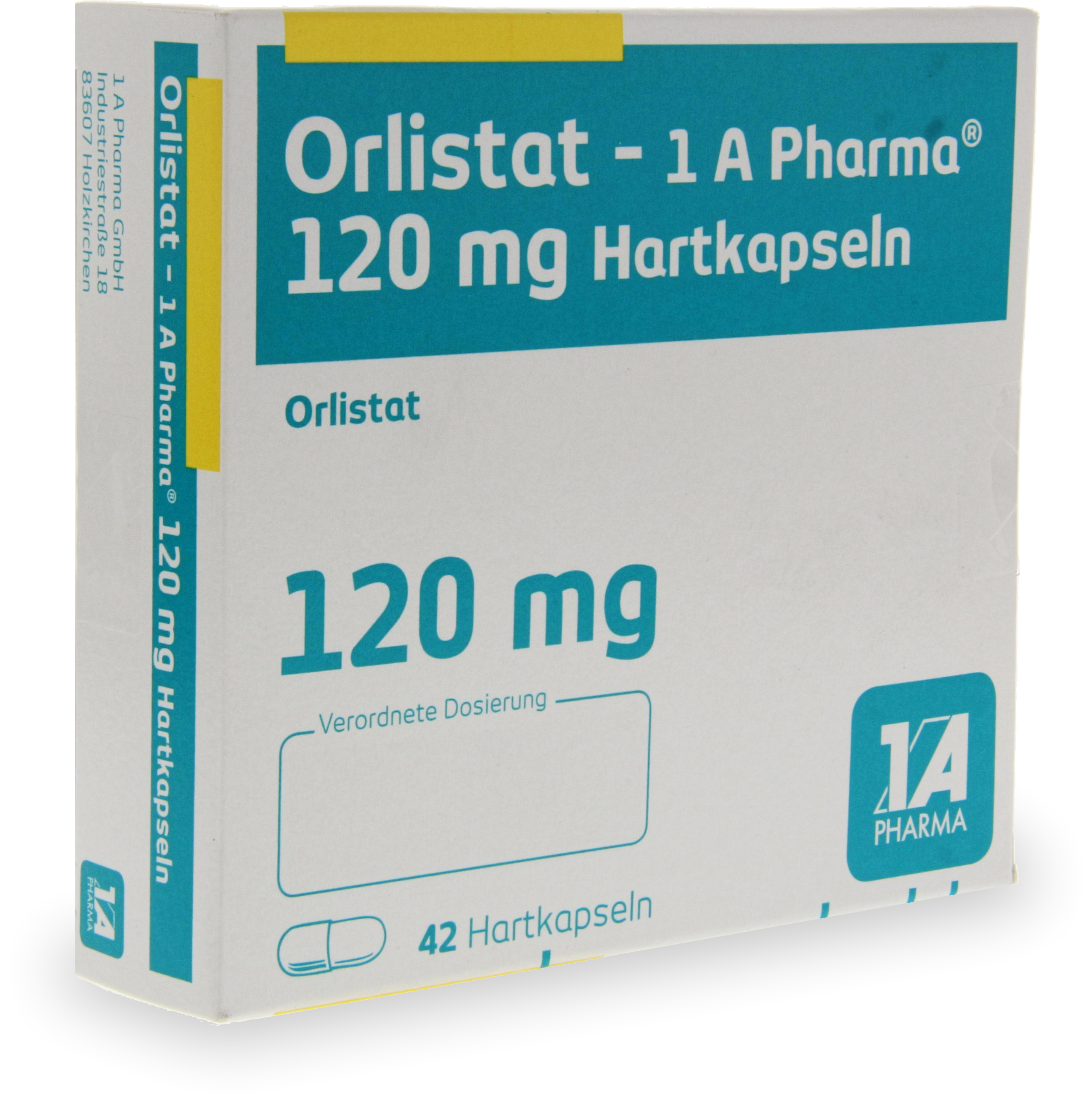
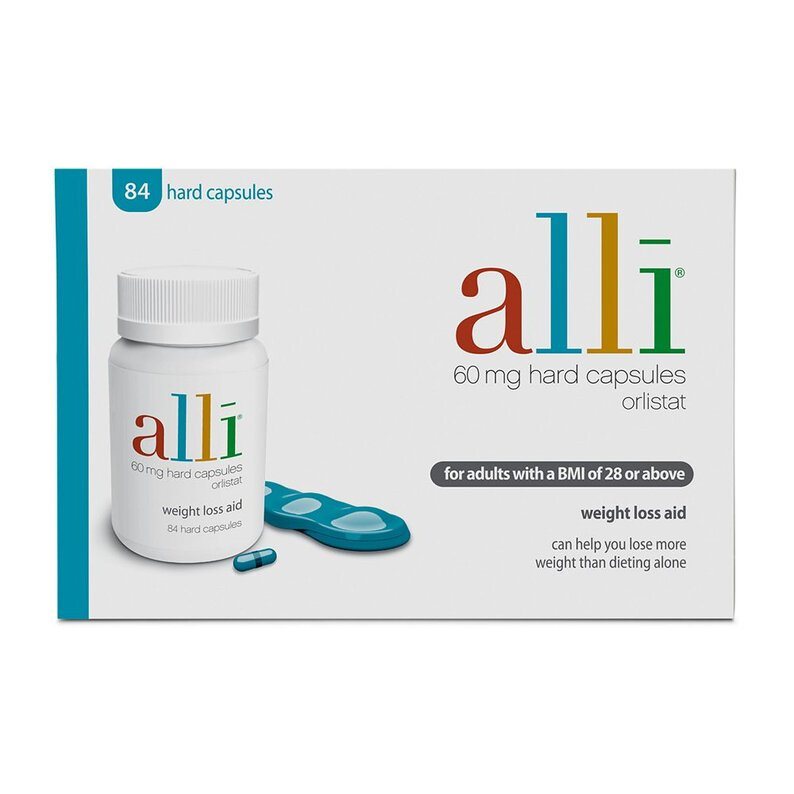
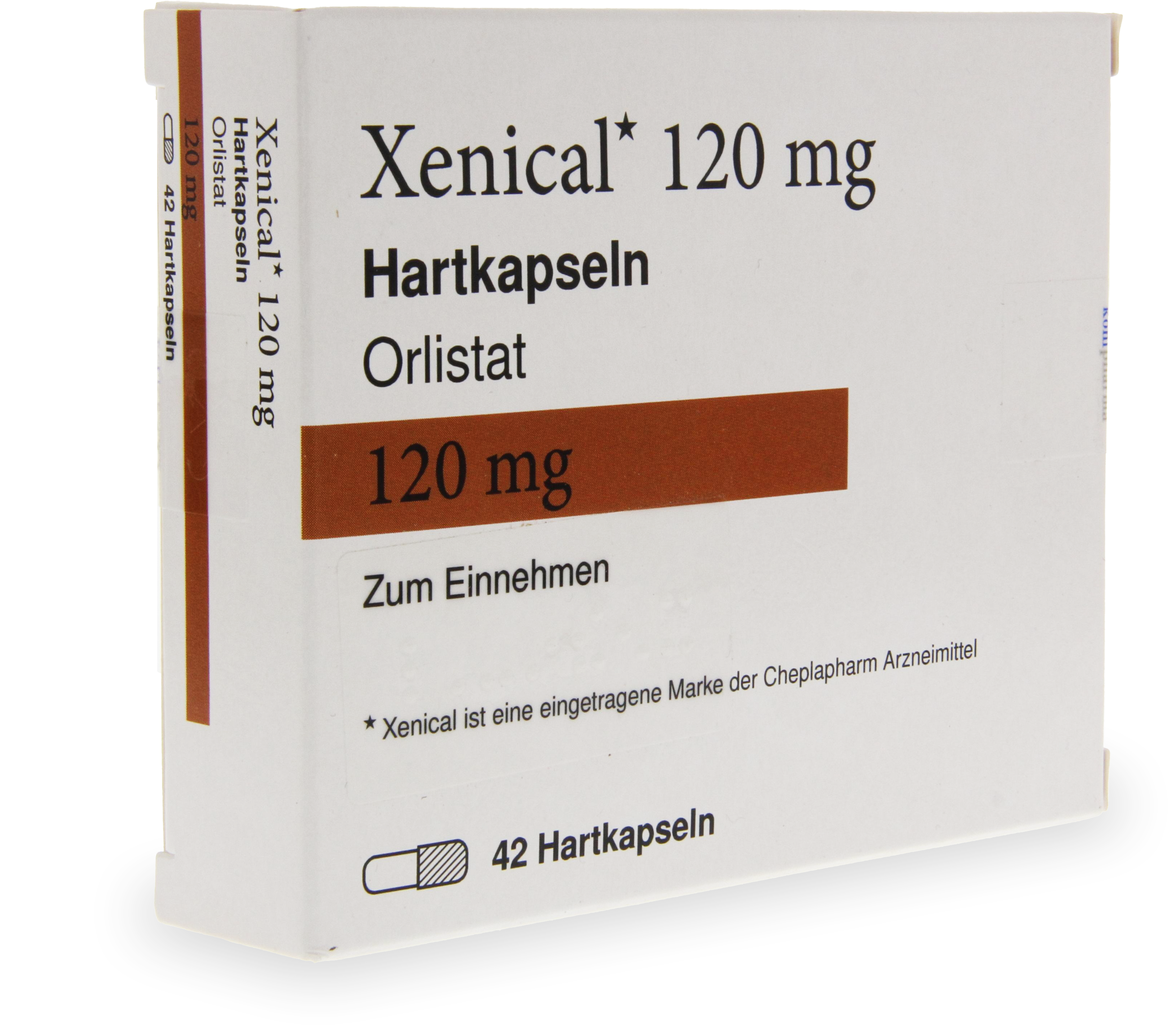
Xenical contains orlistat, a medicine licensed to treat obesity alongside a mildly hypocaloric (slightly reduced-calorie) diet. Orlistat is a gastrointestinal lipase inhibitor.
It works in your gut by blocking gastric and pancreatic lipases, the enzymes that break down fat.
With these enzymes inactive, your body cannot split dietary triglycerides (fats from food) into the smaller parts it can absorb.
As a result, about 30% of the fat you eat passes through your gut unabsorbed and leaves your body in the faeces. In clinical trials, patients took orlistat 120 mg three times daily with meals.
They lost about 2.7 kg more than those on placebo over 12 months. Xenical is for patients with a BMI of 30 kg/m² or above.
It is also for those with a BMI of 28 kg/m² or above who have related risk factors, such as type 2 diabetes, high blood pressure (hypertension), or abnormal blood fats (dyslipidaemia).
NICE recommends orlistat as a medicine option within a full weight management programme. Stop treatment after 12 weeks if you have not lost at least 5% of your starting body weight.
Very little of the drug is absorbed into the body.
Usage & Dosage
Take one 120 mg capsule with water just before, during, or up to one hour after each main meal. If you miss a meal, or the meal has no fat, skip that dose. Do not take more than three capsules a day.
Follow a balanced, mildly hypocaloric (slightly reduced-calorie) diet, with about 30% of your calories from fat. Spread the fat roughly equally across three meals.
A very high-fat meal greatly raises your risk of gut side effects. Take a daily multivitamin that contains the fat-soluble vitamins A, D, E, and K.
Take it at bedtime, or at least 2 hours apart from your orlistat dose. Keep up your diet and lifestyle changes throughout treatment.
The standard dose is 120 mg three times daily with meals. You do not need to increase the dose, and a higher dose does not work better. Higher doses give no extra weight loss.
You do not need to adjust the dose if you are elderly, or if you have liver (hepatic) or kidney (renal) problems. Treatment usually lasts 6-12 months, with regular clinical review.
Stop treatment if you have lost less than 5% of your body weight after 12 weeks of steady use. During severe diarrhoea, orlistat may reduce how well oral contraceptives (the pill) are absorbed.
In this case, use an extra barrier method, such as a condom.
Side Effects
Gut side effects are the most common reactions. They happen because orlistat stops you absorbing fat.
Very common (≥1/10): Oily or fatty stools, oily spotting on your underwear, wind with discharge, an urgent need to open your bowels (faecal urgency), opening your bowels more often, and tummy (abdominal) pain.
Common (≥1/100 to <1/10): Loss of bowel control (faecal incontinence), liquid or oily stools, wind (flatulence), soft stools, pain or discomfort in the back passage (rectum), headache, infection of the nose and throat (upper respiratory tract infection), flu (influenza), low blood sugar (hypoglycaemia) in patients with type 2 diabetes, changes to periods (menstrual irregularity), and anxiety.
Uncommon (≥1/1,000 to <1/100): A swollen tummy (abdominal distension), and tooth or gum problems.
Rare (≥1/10,000 to <1/1,000): Inflammation of the liver (hepatitis), gallstones (cholelithiasis), inflammation of pouches in the bowel wall (diverticulitis), inflammation of the pancreas (pancreatitis), allergic reactions (itching, rash, hives, swelling of the skin, wheezing, and severe allergic reaction known as anaphylaxis), and kidney damage from oxalate crystals (oxalate nephropathy).
You can reduce gut side effects by keeping fat to no more than 30% of your calories.
Warnings & Precautions
Orlistat reduces how well you absorb the fat-soluble vitamins A, D, E, and K, and beta-carotene. You should take a supplement.
It may also reduce the absorption of levothyroxine (a thyroid medicine), ciclosporin (a medicine that calms the immune system), and anticoagulants (blood thinners).
Take levothyroxine at least 2 hours apart from orlistat. If you take warfarin, your INR (a blood-clotting test) needs close monitoring.
Rare cases of serious liver damage (hepatotoxicity) have been reported (MHRA Drug Safety Update).
Stop treatment and get medical help if you develop yellow skin or eyes (jaundice), dark urine, itching, or tummy pain.
Cases of oxalate nephropathy (kidney damage from oxalate crystals) have also been reported. This is more likely if you already have kidney disease or are dehydrated.
Drink enough fluids throughout treatment.
Contraindications
Do not take Xenical if you have chronic malabsorption syndrome (long-term trouble absorbing food), cholestasis (reduced bile flow), or a known allergy to orlistat or any other ingredient.
Do not take it during pregnancy or breastfeeding. If you take ciclosporin, you should not use orlistat unless your blood ciclosporin level can be monitored closely, because orlistat may lower it.
Do not use Xenical if you have anorexia nervosa or bulimia.