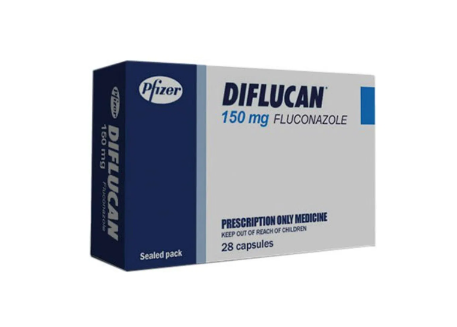
Diflucan
Incl. online consultation, medicine and discreet delivery
View Options
The medical information on this site is provided for educational purposes. It does not replace a face-to-face consultation with your GP or specialist. Always follow the advice of your prescribing doctor and read the patient information leaflet supplied with your medication.
Choose Your Medicine
Select dosage and quantity
Online Consultation
Reviewed by a qualified physician
Fast, Discreet Delivery
Delivered to your door
Medical Information
About This Medicine
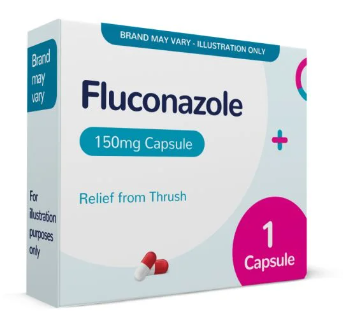
Diflucan is the brand name for fluconazole, a triazole antifungal agent used to treat and prevent a broad range of fungal infections.
It is commonly prescribed for vaginal candidiasis (thrush), oropharyngeal and oesophageal candidiasis, systemic candidiasis, and cryptococcal meningitis.
Fluconazole is also used prophylactically in immunocompromised patients to prevent fungal infections.
Fluconazole works by inhibiting the fungal enzyme lanosterol 14-alpha-demethylase, which is essential for the synthesis of ergosterol, a critical component of the fungal cell membrane.
Without adequate ergosterol, the cell membrane becomes unstable and permeable, leading to fungal cell death.
This targeted mechanism means fluconazole is effective against a wide range of Candida species and other susceptible fungi.
Diflucan is available as capsules, oral suspension, and intravenous infusion. Its excellent oral bioavailability and long half-life allow for convenient once-daily dosing in most indications.
The drug penetrates well into body fluids and tissues, including cerebrospinal fluid, making it a first-line treatment for certain central nervous system fungal infections.
Usage & Dosage
Take Diflucan capsules by mouth with a glass of water. It may be taken with or without food. For vaginal thrush, a single 150 mg dose is usually sufficient.
For other infections, follow your doctor's prescribed course, which may last from several days to several weeks depending on the type and severity of infection.
Do not stop treatment early, even if symptoms improve, as this increases the risk of recurrence.
For vaginal candidiasis: a single oral dose of 150 mg. For oropharyngeal candidiasis: 50 mg to 100 mg once daily for 7 to 14 days.
For systemic candidiasis: 400 mg on day one followed by 200 mg to 400 mg once daily. For prophylaxis in immunocompromised patients: 50 mg to 400 mg once daily.
Dosage adjustments are required in patients with impaired renal function.
Side Effects
Common (1 in 10 to 1 in 100): headache, nausea, abdominal pain, diarrhoea, rash, elevated liver enzymes.
Uncommon (1 in 100 to 1 in 1,000): vomiting, taste disturbance, flatulence, dizziness, pruritus.
Rare (1 in 1,000 to 1 in 10,000): severe hepatotoxicity, QT prolongation, agranulocytosis, anaphylaxis. Very rare (less than 1 in 10,000): Stevens-Johnson syndrome, toxic epidermal necrolysis.
Report any yellowing of the skin or eyes, dark urine, or unusual fatigue to your doctor promptly.
Warnings & Precautions
Fluconazole can cause hepatotoxicity ranging from mild transient enzyme elevations to fatal hepatic necrosis. Liver function should be monitored during prolonged treatment.
The drug may prolong the QT interval and should be used with caution in patients with pre-existing cardiac arrhythmias or electrolyte disturbances.
Fluconazole is a potent inhibitor of CYP2C9, CYP2C19, and CYP3A4, leading to significant drug interactions with warfarin, phenytoin, ciclosporin, and several other medications.
Always inform your prescriber of all medicines you are taking.
Contraindications
Diflucan is contraindicated in patients with known hypersensitivity to fluconazole or related azole antifungals.
Co-administration with terfenadine, astemizole, cisapride, pimozide, or quinidine is contraindicated due to the risk of QT prolongation and potentially fatal cardiac arrhythmias.
Caution is advised in pregnancy, particularly during the first trimester and with high or prolonged doses.