Orlistat Online UK
Incl. online consultation, medicine and discreet delivery
View Options
The medical information on this site is provided for educational purposes. It does not replace a face-to-face consultation with your GP or specialist. Always follow the advice of your prescribing doctor and read the patient information leaflet supplied with your medication.
Choose Your Medicine
Select dosage and quantity
Online Consultation
Reviewed by a qualified physician
Fast, Discreet Delivery
Delivered to your door
Medical Information
About This Medicine
Orlistat is a reversible gastrointestinal lipase inhibitor. In plain terms, it blocks an enzyme in your gut so you absorb less of the fat you eat. It cuts fat absorption by about 30%.
It works locally in your gut. It binds to the active site of gastric and pancreatic lipases, the enzymes that break dietary fat down.
This stops them from turning dietary triglycerides into free fatty acids your body can absorb. The undigested fat leaves the body in your stools.
Orlistat is licensed for weight management in obese adults with a BMI of 30 kg/m² or more. It is also licensed for overweight adults with a BMI of 28 kg/m² or more who have linked risk factors.
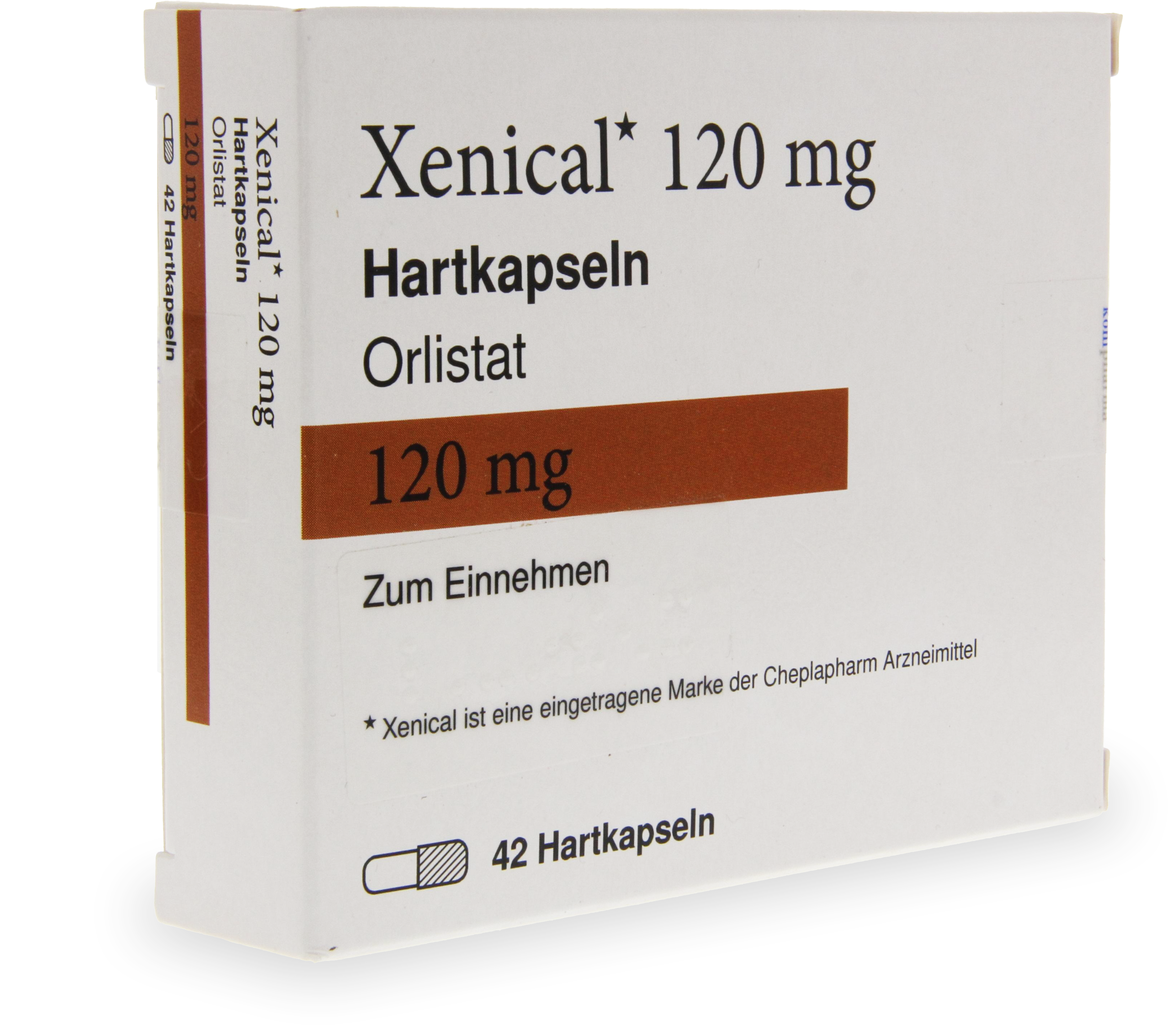
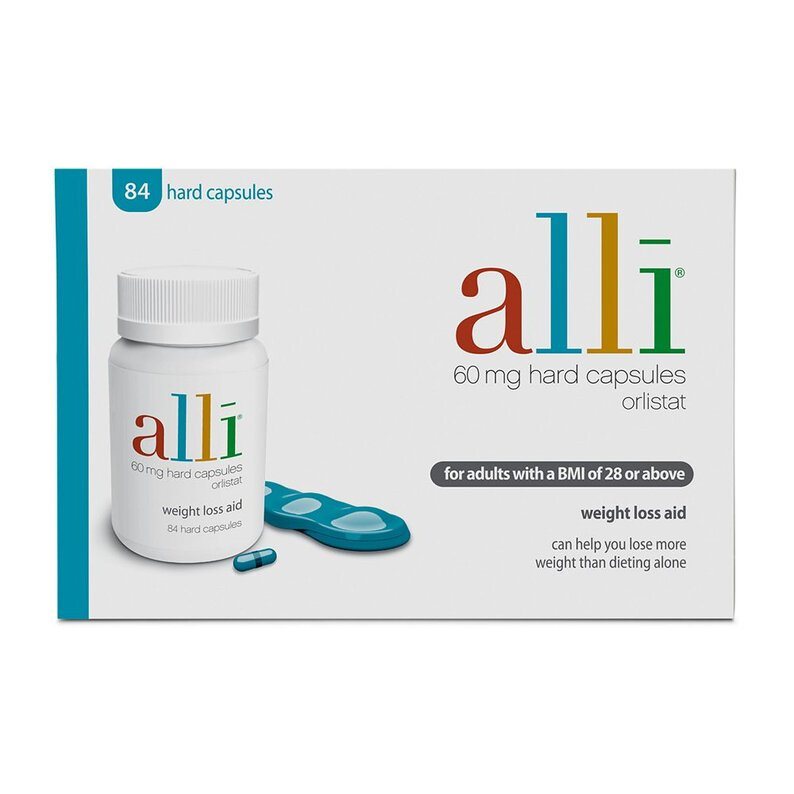
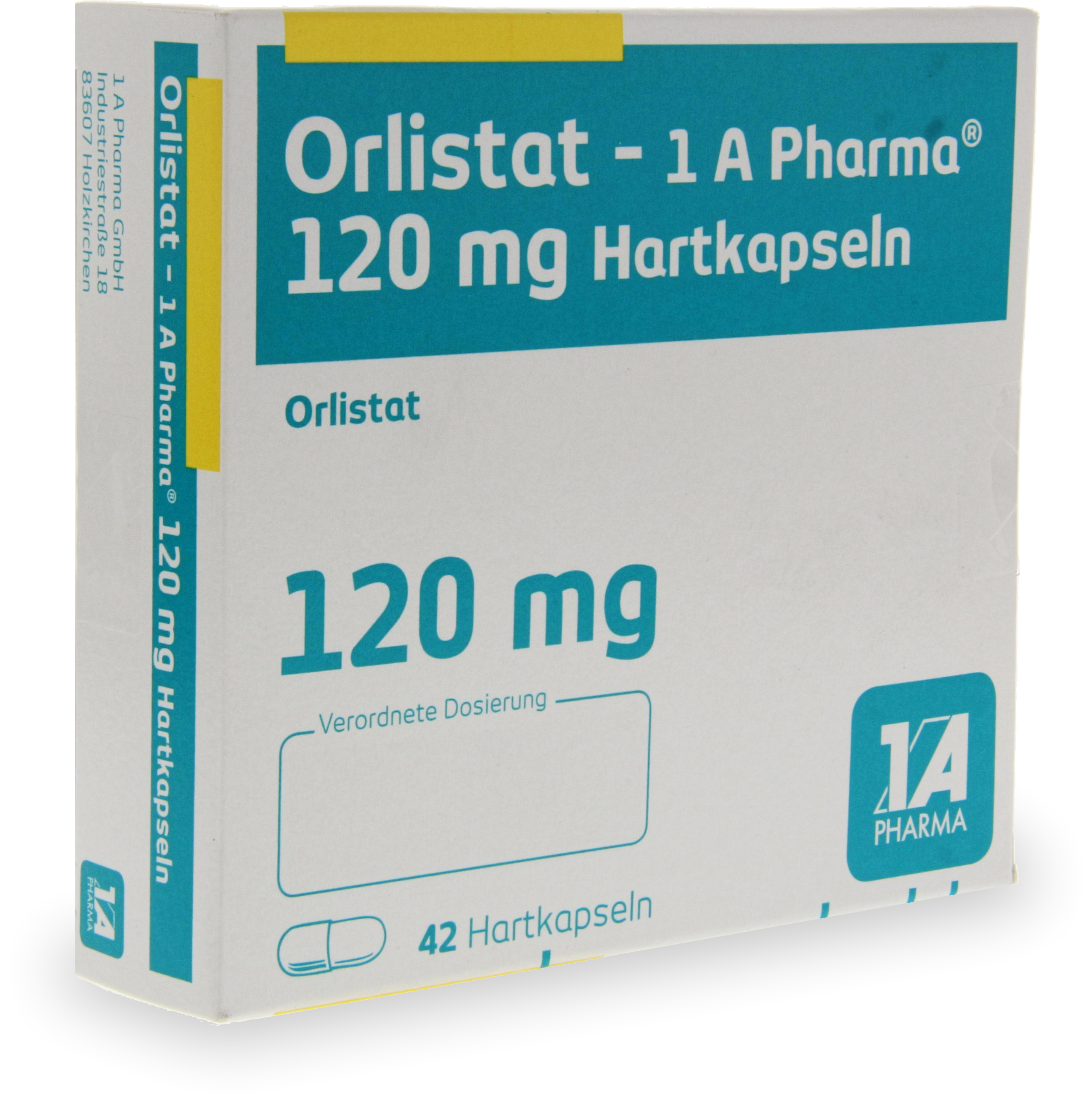
You take it alongside a mildly low-calorie, reduced-fat diet. It comes as a prescription-strength 120 mg capsule (Xenical) and an over-the-counter 60 mg capsule (Alli).
NICE recommends orlistat as the only drug option currently available for weight management. It should be part of a full programme that includes diet, exercise, and behavioural support.
In clinical trials, orlistat 120 mg three times daily gave mean weight loss of about 2.7-3.4 kg more than placebo over 12 months.
Stop treatment if you lose less than 5% of your body weight after 12 weeks of steady use.
Orlistat also slightly improves blood sugar control and lipid profiles in overweight patients with type 2 diabetes.
Usage & Dosage
Take one capsule with water just before, during, or up to one hour after each main meal. If you skip a meal or it has no fat, skip the dose. Do not take more than three capsules a day.
Follow a balanced, mildly low-calorie diet with about 30% of calories from fat. Spread your fat intake evenly across three meals to reduce gut side effects.
Take a daily multivitamin that contains the fat-soluble vitamins (A, D, E, K). Take it at bedtime, or at least 2 hours before or after orlistat, because the drug lowers how well you absorb them.
Keep up regular physical activity alongside the diet changes for the best results.
Prescription strength (Xenical): 120 mg three times daily with meals.
OTC strength (Alli): 60 mg three times daily with meals.
There is no higher dose to step up to. Doses above 120 mg three times daily give no extra benefit. You do not need a dose change for older patients, liver problems, or kidney problems.
Treatment usually lasts 6-12 months, with regular clinical review. Stop treatment after 12 weeks if you have lost less than 5% of your body weight.
Orlistat may lower how well oral contraceptives are absorbed during bouts of severe diarrhoea. Use an extra barrier method during these times.
Side Effects
Side effects come straight from how the drug works, namely reduced fat absorption.
Very common (≥1/10): Oily or fatty stools, oily rectal discharge (spotting), wind with discharge, urgent need to open your bowels, opening your bowels more often, fatty stools (steatorrhoea), tummy pain or discomfort.
Common (≥1/100 to <1/10): Bowel leakage, loose stools, wind, soft stools, rectal pain, headache, upper respiratory tract infection, flu, low blood sugar (in patients with type 2 diabetes), period changes, anxiety, tiredness.
Uncommon (≥1/1,000 to <1/100): Bloating, tooth or gum problems, rectal problems.
Rare (≥1/10,000 to <1/1,000): Hepatitis (liver inflammation), gallstones (cholelithiasis), diverticulitis, pancreatitis (inflamed pancreas), oxalate nephropathy, a kidney problem seen mainly in patients with chronic kidney disease or dehydration, and severe allergic reactions (anaphylaxis, angioedema, bronchospasm, bullous eruption).
Gut effects are the most common. You can cut them down a lot by keeping dietary fat at or below 30% of total calories per meal.
Warnings & Precautions
Take a fat-soluble vitamin (A, D, E, K) supplement throughout treatment. Orlistat may lower how well levothyroxine is absorbed.
Space the two doses by at least 4 hours, and check thyroid function when you start orlistat or change the dose. Orlistat can also change how warfarin works, because it reduces vitamin K absorption.
Monitor INR closely if you take an anticoagulant. Rare cases of severe liver damage have been reported (MHRA Drug Safety Update).
Tell patients to stop the drug and seek medical help if they get jaundice, dark urine, itching, or pain in the upper right of the tummy.
Oxalate nephropathy, a kidney problem, has been recorded, mainly in patients who already have kidney impairment. Keep well hydrated. Orlistat may lower ciclosporin absorption.
Take ciclosporin 3 hours after orlistat and monitor levels closely.
Contraindications
Do not take orlistat if you have chronic malabsorption syndrome, where the gut cannot take up nutrients properly.
Do not take it if you have cholestasis (blocked bile flow), a known allergy to orlistat or any ingredient, or if you are pregnant or breastfeeding.
Taking ciclosporin at the same time needs careful monitoring or should be avoided. Patients with anorexia nervosa or bulimia nervosa should not take orlistat.