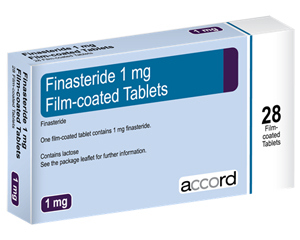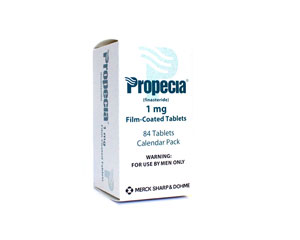
Propecia
Incl. online consultation, medicine and discreet delivery
View Options
The medical information on this site is provided for educational purposes. It does not replace a face-to-face consultation with your GP or specialist. Always follow the advice of your prescribing doctor and read the patient information leaflet supplied with your medication.
Choose Your Medicine
Select dosage and quantity
Online Consultation
Reviewed by a qualified physician
Fast, Discreet Delivery
Delivered to your door
Medical Information
About This Medicine
Propecia contains finasteride 1 mg, a 5-alpha reductase inhibitor licensed for the treatment of male-pattern hair loss (androgenetic alopecia) in men aged 18 to 41 years.
It is the only oral prescription medication approved for this indication in most European markets.
Finasteride reduces the conversion of testosterone to dihydrotestosterone (DHT) by inhibiting the type II 5-alpha reductase enzyme.
DHT is the primary androgen responsible for miniaturisation of hair follicles in genetically susceptible men.
By lowering scalp DHT levels by approximately 60-70%, Propecia slows hair loss, stabilises the hairline, and in many cases promotes visible regrowth.
Clinical Evidence
In pivotal trials, approximately 83% of men maintained or increased their hair count after two years of treatment.
Regrowth is most likely at the vertex (crown) and mid-scalp; frontal hairline response is more variable. Hair loss resumes within 6 to 12 months of stopping Propecia.
Distinction from Proscar
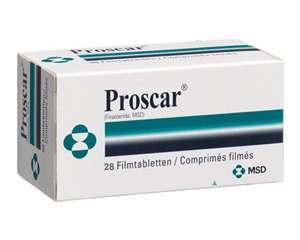
Propecia contains finasteride 1 mg for hair loss; Proscar contains finasteride 5 mg for benign prostatic hyperplasia. The doses are not interchangeable.
Usage & Dosage
How to Take Propecia
Take one tablet daily with water, with or without food. Consistency is essential - take it at the same time each day.
Duration and Expectations
It takes at least three to six months of daily use before improvement becomes visible, and continued use is needed to sustain results.
Some men notice initial shedding in the first weeks as follicles transition from the resting to the growth phase; this is temporary.
Stopping Treatment
If treatment is discontinued, the benefit is lost over 6 to 12 months and hair loss resumes at its natural rate.
Handling Precautions
Women who are or may become pregnant must not handle broken or crushed Propecia tablets, as finasteride can be absorbed through the skin and may cause genital abnormalities in a male foetus.
Adults (Men 18-41 Years)
- 1 mg once daily
Duration
- Minimum 3-6 months before assessing benefit
- Usually continued long-term (years) for maintained results
Older Men
- Efficacy has not been established in men over 41 in hair-loss trials
Renal Impairment
- No dose adjustment required
Hepatic Impairment
- No formal studies; use with caution
Not For Use In
- Women or children
- Men also taking finasteride 5 mg (Proscar)
Side Effects
Common (up to 1 in 10 patients, particularly in the first year)
- Decreased libido
- Erectile dysfunction
Uncommon (up to 1 in 100 patients)
- Reduced ejaculate volume
- Ejaculation disorder
- Breast tenderness or gynaecomastia
- Rash
Rare (up to 1 in 1,000 patients)
- Depression
- Allergic reactions (pruritus, urticaria)
- Testicular pain
Post-Marketing Reports (frequency indeterminate)
- Persistent sexual dysfunction reported after discontinuation (debated in the literature)
- Anxiety
- Male breast cancer (very rare; causal link unconfirmed)
Sexual side effects affect a minority of users and typically resolve after stopping treatment. A small number of men report persistence - discuss this possibility before starting.
Warnings & Precautions
Sexual Side Effects
A small proportion of men experience decreased libido, erectile dysfunction, or reduced ejaculate volume.
These effects usually resolve on stopping treatment, but there are anecdotal post-marketing reports of persistent sexual dysfunction. Weigh the benefits against this risk before prescribing.
PSA Testing
Finasteride 1 mg can lower PSA levels. Although the effect is smaller than with the 5 mg dose, inform your doctor that you take Propecia if you have a PSA test.
Female Exposure
Pregnant women must not handle crushed or broken tablets. Finasteride is a teratogen for male foetuses. Intact coated tablets are safe to handle.
Mood and Mental Health
Reports of depression and anxiety have been associated with finasteride use. If you experience persistent low mood, report it to your prescriber.
Contraindications
Do not take Propecia if you:
- Are a woman (not indicated and potentially harmful in pregnancy)
- Are a child or adolescent
- Have a known hypersensitivity to finasteride or any excipient
- Are already taking finasteride 5 mg (Proscar) for BPH
Women of childbearing potential must avoid contact with broken or crushed tablets.