
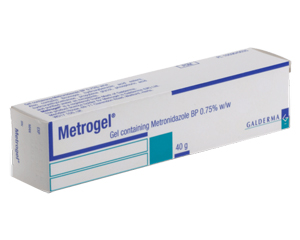
MetroGel
View Options
This website provides general information about medicines for educational purposes only. Always consult your doctor or pharmacist before taking any medication.
Choose Your Medicine
Select dosage and quantity
Online Consultation
Reviewed by a qualified physician
Fast, Discreet Delivery
Delivered to your door
Medical Information
About This Medicine
Metrogel is a topical gel containing metronidazole 0.75% used for the treatment of rosacea, specifically the inflammatory lesions (papules and pustules) and erythema associated with this chronic facial skin condition. Metronidazole is a nitroimidazole antibiotic with anti-inflammatory properties that, when applied topically, reduces the inflammatory mediators responsible for the redness, spots, and swelling of rosacea.
How Metrogel Works
The exact mechanism by which topical metronidazole improves rosacea is not fully established, but it is thought to act through anti-inflammatory effects rather than antimicrobial activity alone. It reduces levels of reactive oxygen species and inflammatory cytokines in the skin, resulting in reduced papules, pustules, and erythema over time with regular use.
Treatment of Rosacea
Rosacea is a chronic condition requiring ongoing management. Metrogel is applied twice daily and is typically used for three to four months to evaluate response. It is one of the most commonly prescribed first-line topical treatments for rosacea in the UK, alongside azelaic acid formulations.
Usage & Dosage
How to Apply Metrogel
Wash and gently dry the affected area before use. Apply a thin layer of Metrogel (metronidazole 0.75% gel) to the entire affected facial area twice daily (morning and evening). Avoid contact with the eyes. Wash your hands after application. After the gel has dried, you may apply a non-comedogenic moisturiser and sunscreen — protecting the skin from sun exposure is particularly important in rosacea management, as UV light triggers and worsens flares.
Do not apply to unaffected skin. Metrogel targets the inflammatory lesions and background redness of rosacea rather than just individual spots.
Treatment Duration
Visible improvement in redness and lesion count is usually seen within three to four weeks, with the full response assessed after three months. Treatment may be continued as long-term maintenance if good control is achieved.
Metrogel 0.75% metronidazole gel is typically supplied in 30 g or 45 g tubes. Apply twice daily to affected facial areas. A 1% metronidazole formulation (Rozex gel or Metrolotion) is also available for once-daily application. Both are prescription-only medicines in the UK.
Side Effects
Common Side Effects
Metrogel is generally well tolerated with topical use. The most common local effects include:
- Mild skin dryness
- Burning or stinging immediately after application (usually brief)
- Redness or worsening of flushing at the application site in some patients
Managing Local Reactions
Most initial irritation settles after the first one to two weeks of use. If stinging or dryness is troublesome, applying a light moisturiser before the gel may help. Avoid alcohol-based skincare products or harsh cleansers during treatment, as these worsen dryness and irritation. Seek advice if your skin becomes more inflamed rather than better, or if you develop an allergic rash — this is rare but possible with topical metronidazole.
Warnings & Precautions
Avoid contact with the eyes. Topical metronidazole may cause watering of the eyes if accidentally applied near them. Use with caution on sensitive or broken skin. While systemic absorption is low, caution is advised in patients taking oral anticoagulants (metronidazole can potentiate the effects of warfarin). Not recommended during the first trimester of pregnancy; discuss with your doctor if pregnant or breastfeeding.
Contraindications
Metrogel is contraindicated in patients with known hypersensitivity to metronidazole or other nitroimidazole derivatives, or to any excipient. Avoid in patients with a history of blood dyscrasias. Use in pregnancy and breastfeeding requires careful risk-benefit assessment.
Frequently Asked Questions
How long does it take for Metrogel to work on rosacea?
Can I use Metrogel long-term?
Can I wear make-up over Metrogel?
Dr. Ross Elledge
General Practitioner · General & Family Medicine
Verified Healthcare Professional
TopDoctors Profile