
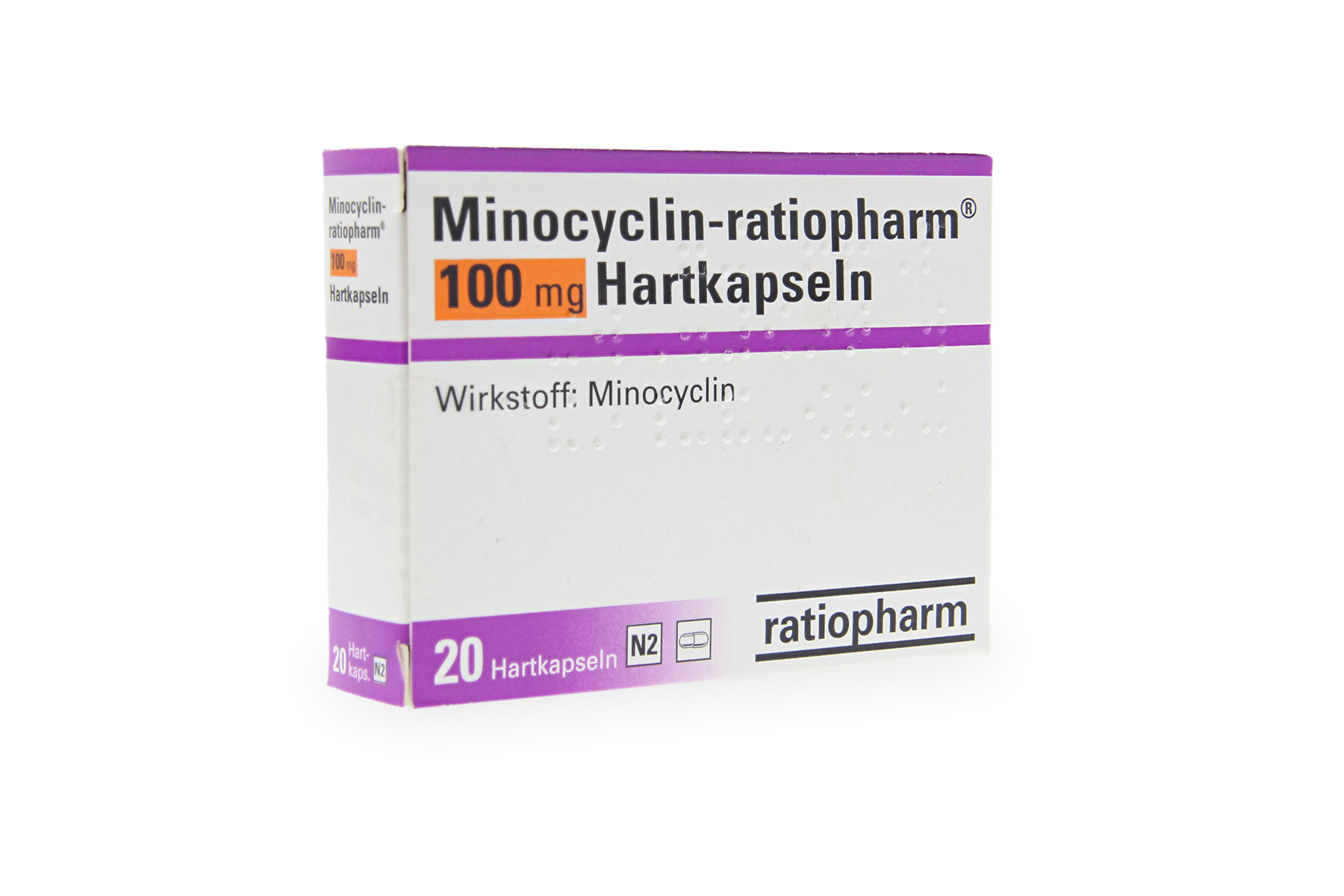
Minocycline
This website provides general information about medicines for educational purposes only. Always consult your doctor or pharmacist before taking any medication.
Choose Your Medicine
Select dosage and quantity
Online Consultation
Reviewed by a qualified physician
Fast, Discreet Delivery
Delivered to your door
Medical Information
About This Medicine
Minocycline (branded as Minocin) is a tetracycline antibiotic with a broader spectrum and better tissue penetration than other tetracyclines. It is used for moderate to severe acne, and for rosacea and some skin infections. Minocycline is highly lipophilic, achieving excellent concentration in sebaceous follicles. However, it has more side effects than other tetracyclines and is generally reserved for acne that has not responded to lymecycline or doxycycline.
Usage & Dosage
How to Take Minocycline
Take minocycline with plenty of water, while sitting or standing upright. Unlike some other tetracyclines, minocycline can be taken with or without food, which makes it easier to tolerate. Complete the full prescribed course.
For acne, minocycline is typically taken once or twice daily, and results usually take six to eight weeks to become apparent. For other infections, your prescriber will advise on the specific dose and duration.
Acne: 100 mg daily (as a single dose or 50 mg twice daily). Modified-release: 45 mg or 90 mg once daily. Treatment duration: typically 6 to 12 weeks.
Side Effects
Common Side Effects
Common side effects include:
- Dizziness and vertigo (fairly unique to minocycline among tetracyclines, more common in women)
- Nausea or stomach upset
- Skin and mucous membrane discolouration with prolonged use (blue-grey staining)
- Photosensitivity (though less than with doxycycline)
- Headache
Dizziness and vertigo are distinctive side effects of minocycline and can be significant enough to affect daily activities. They are more common at higher doses. If dizziness is problematic, contact your prescriber, as a dose reduction or change of antibiotic may be needed.
Warnings & Precautions
Dizziness and vestibular disturbance are more common with minocycline than other tetracyclines. Prolonged use can cause blue-grey skin pigmentation, particularly at sites of inflammation. Rare risk of drug-induced lupus and hepatitis.
Contraindications
Contraindicated in pregnancy, breastfeeding, children under 12, severe hepatic impairment, and known hypersensitivity to tetracyclines.
Frequently Asked Questions
Why does minocycline sometimes cause dizziness?
Dr. Ross Elledge
General Practitioner · General & Family Medicine
Verified Healthcare Professional
TopDoctors Profile