
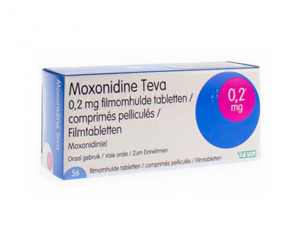
Moxonidine
View Options
This website provides general information about medicines for educational purposes only. Always consult your doctor or pharmacist before taking any medication.
Choose Your Medicine
Select dosage and quantity
Online Consultation
Reviewed by a qualified physician
Fast, Discreet Delivery
Delivered to your door
Medical Information
About This Medicine
Moxonidine is a centrally acting antihypertensive that works by stimulating imidazoline I1 receptors in the brainstem, reducing sympathetic nervous system activity and lowering blood pressure. It is generally used as an add-on therapy when first-line antihypertensives do not provide adequate control. Moxonidine may have metabolic advantages, including modest improvements in insulin sensitivity, making it a consideration for hypertensive patients with metabolic syndrome.
Usage & Dosage
How to Take Moxonidine
Take one moxonidine tablet once daily in the morning, with or without food. Start at a low dose (0.2 mg) and increase if needed after three weeks, typically to 0.4 mg once daily or split into two doses. The maximum daily dose is 0.6 mg.
Do not stop moxonidine suddenly, especially if you are taking it alongside a beta-blocker. Abrupt withdrawal can cause a rebound rise in blood pressure. If you need to stop, the dose should be reduced gradually.
Start at 200 mcg once daily in the morning. If blood pressure is not adequately controlled after three weeks, increase to 400 mcg daily (as a single dose or divided into two doses). Maximum: 600 mcg daily in divided doses.
Side Effects
Common Side Effects
Common side effects include:
- Dry mouth (most common, often improves with time)
- Headache
- Dizziness
- Fatigue
- Nausea
Most side effects are mild and tend to diminish after the first few weeks of treatment. Moxonidine acts centrally to lower blood pressure and can cause sedation. Avoid driving or operating machinery until you know how it affects you.
Warnings & Precautions
Do not stop abruptly, as this may cause rebound hypertension. Taper gradually over two weeks. Avoid in patients with heart failure (NYHA III-IV) or significant bradycardia.
Contraindications
Contraindicated in sick sinus syndrome, sinoatrial or AV block (second or third degree), heart rate below 50 bpm, severe heart failure, severe renal impairment, and severe hepatic impairment.
Frequently Asked Questions
Why is moxonidine usually added to other blood pressure medications?
Dr. Ross Elledge
General Practitioner · General & Family Medicine
Verified Healthcare Professional
TopDoctors Profile