
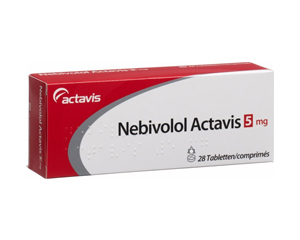
Nebivolol
This website provides general information about medicines for educational purposes only. Always consult your doctor or pharmacist before taking any medication.
Choose Your Medicine
Select dosage and quantity
Online Consultation
Reviewed by a qualified physician
Fast, Discreet Delivery
Delivered to your door
Medical Information
About This Medicine
Nebivolol is a third-generation highly selective beta-1 blocker with an additional vasodilating property mediated by nitric oxide release. This dual mechanism provides effective blood pressure lowering with less peripheral vasoconstriction and cold extremities than older beta-blockers. Nebivolol is also licensed for stable chronic heart failure in patients over 70 as an add-on to standard therapy.
Usage & Dosage
How to Take Nebivolol
Take one tablet once daily, at the same time each day, with or without food. Nebivolol can be taken in the morning or evening, whichever suits your routine best. Swallow with water and try not to miss doses, as consistent use is important for blood pressure control.
Do not stop taking nebivolol suddenly. Stopping a beta-blocker abruptly, especially in people with heart disease, can cause a rebound increase in blood pressure or trigger a worsening of angina. If you need to stop, your dose should be tapered gradually under medical supervision over one to two weeks.
Hypertension: 5 mg once daily. Heart failure: start at 1.25 mg daily, doubling every 1 to 2 weeks to a maximum of 10 mg daily. Dose reduction in renal or hepatic impairment.
Side Effects
Common Side Effects
Common side effects include:
- Headache
- Dizziness
- Fatigue
- Slow heart rate (bradycardia)
- Diarrhoea
- Tingling or cold sensations in the hands and feet
Most side effects are mild and tend to improve as your body adjusts to the medication. Nebivolol may mask some of the warning signs of low blood sugar (such as a fast heartbeat) in people with diabetes, so monitor your blood glucose carefully. Tell your doctor if your resting pulse feels very slow or if you feel unusually breathless.
Warnings & Precautions
Do not stop abruptly; taper gradually. May mask hypoglycaemia in diabetics. The vasodilating properties may make it better tolerated than older beta-blockers, but asthma and severe COPD remain relative contraindications.
Contraindications
Contraindicated in severe bradycardia, heart block, uncontrolled heart failure, cardiogenic shock, untreated phaeochromocytoma, and severe hepatic impairment.
Frequently Asked Questions
Why does nebivolol cause fewer cold hands and feet?
Dr. Ross Elledge
General Practitioner · General & Family Medicine
Verified Healthcare Professional
TopDoctors Profile