
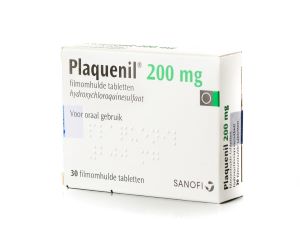
Plaquenil
This website provides general information about medicines for educational purposes only. Always consult your doctor or pharmacist before taking any medication.
Choose Your Medicine
Select dosage and quantity
Online Consultation
Reviewed by a qualified physician
Fast, Discreet Delivery
Delivered to your door
Medical Information
About This Medicine
Plaquenil contains hydroxychloroquine, an antimalarial drug used primarily as a disease-modifying anti-rheumatic drug (DMARD) for rheumatoid arthritis and systemic lupus erythematosus (SLE). It modulates the immune system by interfering with antigen processing and reducing cytokine production. Hydroxychloroquine is one of the safest DMARDs available and is often the first immunomodulatory agent started in inflammatory arthritis and lupus.
Usage & Dosage
How to Take Plaquenil
Take Plaquenil (hydroxychloroquine) with food or a glass of milk to reduce stomach upset. For autoimmune conditions such as lupus or rheumatoid arthritis, it is taken daily and may take two to three months before you notice meaningful improvement. Consistent daily use is essential, the medication builds up in tissues over time to exert its effect.
For malaria prevention, start taking Plaquenil two weeks before entering the malarial area, continue throughout, and for four weeks after returning. Follow the dosing schedule your doctor advises.
200 to 400 mg daily (usually 200 mg twice daily or 400 mg once daily). The dose should not exceed 5 mg/kg/day based on ideal body weight to minimise retinal toxicity risk.
Side Effects
Common Side Effects
Common side effects include:
- Nausea or stomach discomfort
- Diarrhoea
- Abdominal cramps
- Headache
- Skin rash
Taking with food usually reduces gastrointestinal symptoms. The most important rare but serious side effect is retinal toxicity (hydroxychloroquine retinopathy), which can cause irreversible visual damage. The risk increases with long-term use and higher cumulative doses. Annual eye examinations are essential after five years of use (or earlier if other risk factors are present) to detect early changes before vision is affected.
Warnings & Precautions
Long-term use carries a risk of retinal toxicity (bull's eye maculopathy). Baseline eye examination is recommended before starting, with annual screening after five years of use. Report any visual changes immediately.
Contraindications
Contraindicated in pre-existing maculopathy and known hypersensitivity to hydroxychloroquine or 4-aminoquinolines.
Frequently Asked Questions
How often do I need eye checks while on Plaquenil?
Dr. Ross Elledge
General Practitioner · General & Family Medicine
Verified Healthcare Professional
TopDoctors Profile