
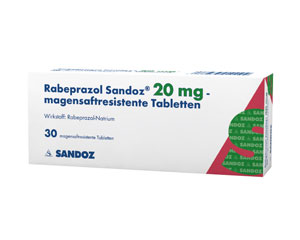
Rabeprazole
View Options
This website provides general information about medicines for educational purposes only. Always consult your doctor or pharmacist before taking any medication.
Choose Your Medicine
Select dosage and quantity
Online Consultation
Reviewed by a qualified physician
Fast, Discreet Delivery
Delivered to your door
Medical Information
About This Medicine
Rabeprazole (brand name Pariet) is a proton pump inhibitor (PPI) prescribed to treat conditions caused by excess stomach acid. It works by irreversibly blocking the proton pump in the cells lining the stomach, dramatically reducing the production of gastric acid. This makes it effective for a broad range of conditions including gastro-oesophageal reflux disease (GORD), peptic ulcers, and Helicobacter pylori eradication as part of combination antibiotic therapy.
Conditions Treated by Rabeprazole
Rabeprazole is prescribed when the stomach or oesophagus is damaged by excessive acid secretion. In GORD, acid repeatedly flows back from the stomach into the oesophagus, causing heartburn, regurgitation, and in some cases oesophagitis (inflammation of the oesophageal lining). Rabeprazole heals oesophagitis and prevents relapse by maintaining sustained acid suppression. It is also used to heal gastric and duodenal ulcers and to prevent recurrence in people at risk, such as those taking non-steroidal anti-inflammatory drugs (NSAIDs).
H. pylori Eradication
Helicobacter pylori is a bacterial infection of the stomach lining that is the leading cause of peptic ulcers and a risk factor for gastric cancer. Rabeprazole is included in combination eradication regimens alongside two antibiotics (typically amoxicillin and clarithromycin for one to two weeks). By raising gastric pH, the PPI creates an environment in which antibiotics are more effective and H. pylori is more susceptible to eradication.
Advantages of Rabeprazole
Compared with some other PPIs such as omeprazole and lansoprazole, rabeprazole undergoes less metabolism via the cytochrome P450 CYP2C19 enzyme pathway. This means that genetic variation in CYP2C19 activity (which is common in East Asian populations) has a smaller effect on rabeprazole's pharmacokinetics, potentially making its acid-suppressive effect more consistent across different patient populations. It is considered broadly equivalent in efficacy to other PPIs for most indications.
Usage & Dosage
How to Take Rabeprazole
Swallow rabeprazole tablets whole, do not crush, chew, or split them, as this destroys the enteric coating that protects the drug until it reaches the small intestine. The tablets can be taken with or without food, though taking them before breakfast is often recommended to coincide with the peak activity of stomach acid-producing cells.
Treatment Duration
For acute reflux and oesophagitis, treatment is typically four to eight weeks. GORD is a chronic condition in many people, and long-term maintenance at the lowest effective dose is common. For H. pylori eradication, a short course is given alongside two antibiotics. If symptoms do not improve after four weeks, or if new symptoms such as difficulty swallowing, weight loss, or black stools develop, see your doctor promptly.
Rabeprazole is available in 10mg and 20mg tablets. For GORD and symptomatic relief of reflux, the standard adult dose is 10 to 20mg once daily for four to eight weeks. For healing of erosive or ulcerative GORD, 20mg once daily for four to eight weeks is typical. For H. pylori eradication, 20mg twice daily in combination with two antibiotics for seven days is standard.
For maintenance therapy in GORD, 10 to 20mg once daily is used. In mild to moderate hepatic impairment, standard doses can be used with caution. Rabeprazole is not recommended in severe hepatic impairment. No dose adjustment is required in renal impairment. Tablets should be stored below 25 degrees Celsius and protected from moisture.
Side Effects
Common Side Effects
- Headache
- Diarrhoea or loose stools
- Nausea
- Abdominal pain or discomfort
- Flatulence
- Constipation
- Dry mouth
- Fatigue or dizziness
Serious Side Effects
- Clostridium difficile infection: Long-term or high-dose PPI use is associated with increased risk of C. diff colitis; contact a doctor if severe or persistent diarrhoea develops
- Hypomagnesaemia: Prolonged PPI use can cause low magnesium levels; symptoms include muscle cramps, tremor, and cardiac arrhythmias
- Vitamin B12 deficiency: Long-term acid suppression may reduce B12 absorption; at-risk individuals should be monitored
- Bone fractures: Long-term high-dose PPI use has been associated with increased risk of osteoporotic fractures
- Severe allergic reactions: Anaphylaxis, angioedema, or Stevens-Johnson syndrome require immediate medical attention
Warnings & Precautions
Do Not Mask Symptoms of Serious Disease
Rabeprazole must not be used to treat undiagnosed symptoms without medical assessment, particularly in adults over 55 years or those with so-called "alarm symptoms" such as unintentional weight loss, difficulty swallowing, vomiting blood, or black tarry stools. These symptoms may indicate stomach cancer or other serious conditions that require investigation, and masking them with acid suppression without diagnosis could delay treatment.
Long-Term Use Risks
Prolonged use of PPIs is associated with several risks that should be considered for patients on long-term therapy. These include low magnesium levels (hypomagnesaemia), reduced vitamin B12 absorption, increased susceptibility to gastrointestinal infections, and a possible association with increased fracture risk. Patients on long-term PPI therapy should be reviewed periodically to ensure that treatment continues to be necessary and that the lowest effective dose is being used.
Drug Interactions
Rabeprazole raises gastric pH, which may reduce the absorption of medicines whose dissolution depends on an acidic environment, such as ketoconazole, itraconazole, and atazanavir. It has fewer CYP2C19-based interactions than omeprazole but may still interact with methotrexate and certain antiplatelet drugs. Prescribers should review the patient's full medication list when initiating rabeprazole.
Contraindications
- Known hypersensitivity to rabeprazole sodium, substituted benzimidazoles, or any excipient
- Severe hepatic impairment (use with caution in moderate impairment)
- Concurrent use with atazanavir or nelfinavir (significant reduction in antiretroviral levels)
- Pregnancy and breastfeeding (safety not established; use only if clearly necessary)
- Children under 18 years for most indications (limited data)
- Use in treating undiagnosed dyspepsia in patients over 55 years without prior endoscopic investigation for alarm symptoms
Frequently Asked Questions
What is the difference between rabeprazole and omeprazole?
Should I take rabeprazole before or after meals?
Can I take rabeprazole long-term?
How does rabeprazole help eradicate H. pylori?
Can I stop taking rabeprazole when I feel better?
Dr. Ross Elledge
General Practitioner · General & Family Medicine
Verified Healthcare Professional
TopDoctors Profile