
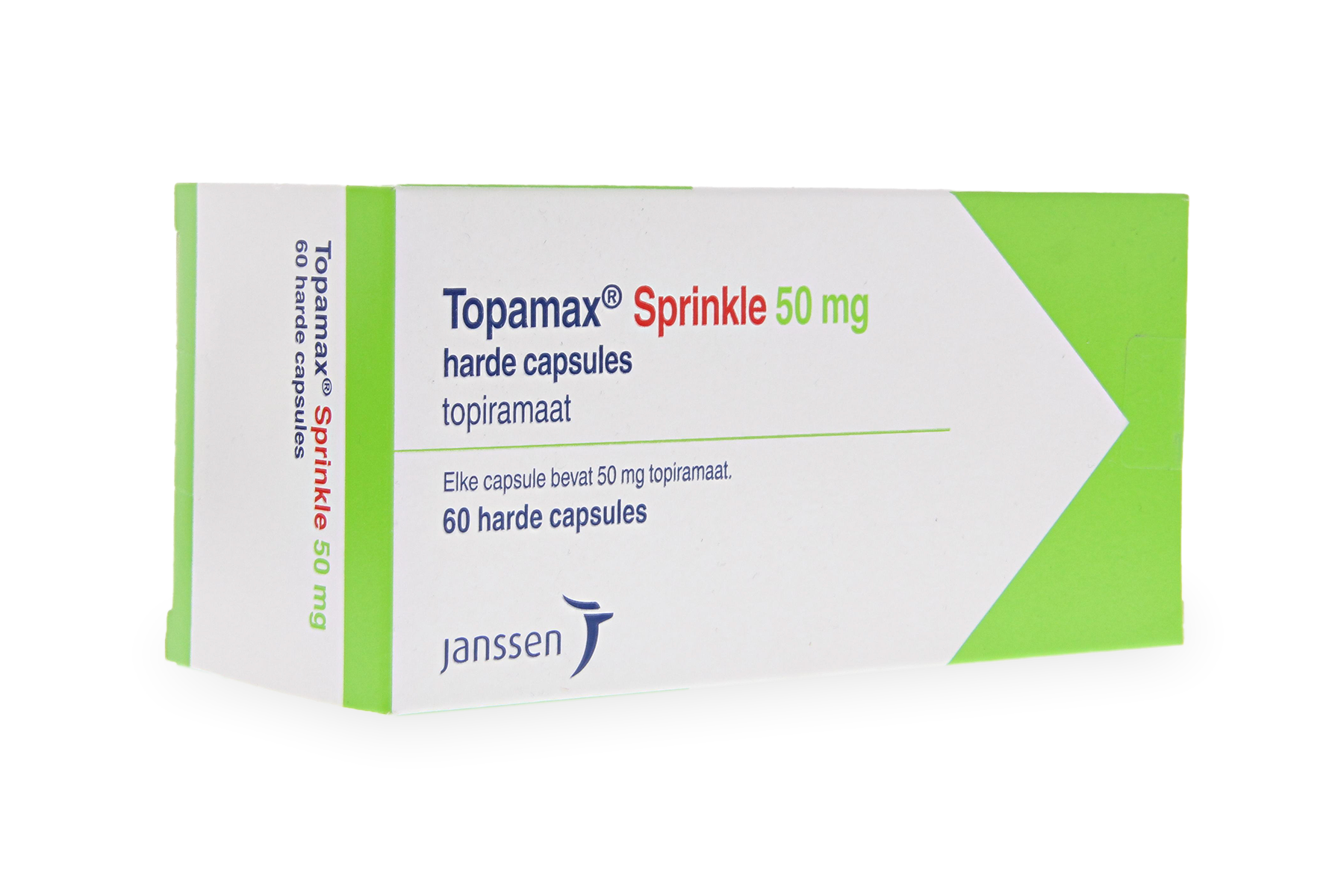
Topamax
View Options
This website provides general information about medicines for educational purposes only. Always consult your doctor or pharmacist before taking any medication.
Choose Your Medicine
Select dosage and quantity
Online Consultation
Reviewed by a qualified physician
Fast, Discreet Delivery
Delivered to your door
Medical Information
About This Medicine
Topamax is a brand-name anticonvulsant and migraine preventive medicine containing topiramate, a broad-spectrum antiepileptic drug that works through multiple mechanisms in the brain. It is prescribed by neurologists and specialist physicians across the UK for adults and children with epilepsy, and as prophylaxis for adults who experience frequent migraines that significantly impair their quality of life.
How Topamax Works
Topiramate acts on several targets in the nervous system simultaneously. It blocks voltage-dependent sodium channels, thereby stabilising hyperexcitable neurons and preventing the spread of abnormal electrical discharges. It also potentiates the inhibitory neurotransmitter GABA at certain receptor subtypes, while simultaneously blocking excitatory glutamate receptors. Additionally, it inhibits specific carbonic anhydrase isoenzymes, an effect that contributes both to its clinical activity and to some of its side effects, including kidney stones and metabolic acidosis.
Uses and Indications
In epilepsy, Topamax is used as monotherapy or adjunctive therapy for generalised tonic-clonic seizures, partial-onset seizures, and seizures associated with Lennox-Gastaut syndrome. In migraine prevention, it is taken daily to reduce the frequency and severity of attacks rather than to abort individual episodes. Topamax has also been used off-label in combination products for weight management in some countries, reflecting its well-known appetite-suppressing effect.
Important Safety Considerations
Topamax is highly teratogenic and is associated with a significantly increased risk of cleft palate and other congenital malformations. All women of childbearing potential must use effective contraception throughout treatment and be fully informed of the risks before starting. Topiramate is the subject of a Pregnancy Prevention Programme in the UK and Europe.
Cognitive side effects are among the most commonly reported concerns with Topamax. Patients frequently describe word-finding difficulties, slowed thinking, and problems with concentration and memory, effects sometimes referred to colloquially as "dopamax." These effects are dose-dependent and often improve at lower doses or with slower titration. Kidney stones occur in a small proportion of patients, partly due to carbonic anhydrase inhibition reducing urinary citrate. Adequate hydration is important to minimise this risk.
Acute angle-closure glaucoma is a rare but serious adverse effect that typically occurs within the first month of treatment. Patients who develop sudden eye pain or visual disturbance should seek urgent ophthalmological assessment. Metabolic acidosis can also develop and may be asymptomatic, making periodic monitoring of serum bicarbonate advisable during long-term use.
Usage & Dosage
How to Take Topamax
Topamax (topiramate) must be taken exactly as directed by your doctor, as the dose varies considerably depending on whether it is being used for epilepsy or migraine prevention, and whether it is used alone or alongside other medicines. Swallow tablets or capsules whole with water. Sprinkle capsules can be opened and the contents mixed with a small amount of soft food.
Starting and Titrating the Dose
Treatment always begins at a low dose and increases slowly to reduce the risk of cognitive side effects. For epilepsy in adults, the typical starting dose is 25 mg once daily in the evening, increasing by 25 to 50 mg every one to two weeks. The usual target dose for epilepsy monotherapy is 100 to 200 mg daily in two divided doses. For migraine prevention, lower doses of 25 to 100 mg daily are often effective.
Staying Hydrated
Drink plenty of fluids throughout the day while taking Topamax. Topiramate increases the risk of kidney stones, and good hydration substantially reduces this risk. Aim for at least 1.5 to 2 litres of water daily, and more in hot weather or during exercise.
Topamax doses are highly individualised and must always be set by the prescribing specialist.
Epilepsy (adults, monotherapy): Usually 25 mg once daily for one week, increasing by 25-50 mg weekly. Target maintenance dose is 100-200 mg twice daily.
Epilepsy (adults, adjunctive therapy): Starting dose 25-50 mg per day, titrated to 200-400 mg daily in two divided doses.
Migraine prophylaxis (adults): 25 mg once nightly for week one, increasing by 25 mg per week to a target of 50 mg twice daily.
Paediatric epilepsy (children aged 6 and above): Dosing is weight-based and calculated by the prescribing physician.
Renal impairment: The dose should be reduced by approximately 50% in patients with significantly reduced kidney function, as topiramate is primarily eliminated renally.
Hepatic impairment: Use with caution; clearance may be reduced.
Capsules are available as 15 mg and 25 mg sprinkle formulations; tablets as 25 mg, 50 mg, 100 mg, and 200 mg.
Side Effects
Common Side Effects
- Word-finding difficulties, slowed thinking, or reduced concentration (dose-dependent and often the most troublesome)
- Tingling or numbness in the hands and feet (paraesthesia)
- Fatigue and drowsiness, particularly during dose titration
- Decreased appetite and weight loss
- Nausea and digestive discomfort
- Dizziness
Serious Risks
Topamax can cause acute angle-closure glaucoma, a sudden rise in eye pressure that presents as blurred vision and eye pain, usually within the first month of treatment. Seek urgent medical attention if this occurs. Kidney stones develop in around 1 to 2% of patients — drinking plenty of water significantly reduces this risk. Topamax is teratogenic (harmful to the developing baby) and must not be used in pregnancy without very careful specialist discussion. Women of childbearing potential require effective contraception during treatment.
Warnings & Precautions
Topamax carries a number of significant warnings that prescribers and patients must be fully aware of before and during treatment.
Pregnancy and Contraception
Topamax must not be used in pregnancy unless there is no safer alternative for the indication being treated. Topiramate is associated with a substantially increased risk of oral clefts and other structural malformations, as well as lower birth weight and neonatal complications. The UK Pregnancy Prevention Programme requires that all women of childbearing potential are counselled, use highly effective contraception, and acknowledge the risks in writing before starting treatment. Any woman who becomes pregnant while taking Topamax should not stop the medicine without immediately discussing the situation with her prescriber, as abrupt withdrawal can cause serious harm.
Cognitive and Psychiatric Effects
Patients should be warned that Topamax commonly causes cognitive slowing, including difficulty recalling words and reduced concentration. These effects are often manageable with slower titration or dose reduction. Topiramate has also been associated with depression, mood instability, and in rare cases psychosis. Patients should report any significant changes in mood or behaviour to their doctor. There is a small increased risk of suicidal ideation with all antiepileptic drugs, and this should be discussed at prescribing.
Topamax may impair the ability to drive or operate machinery, particularly during initiation or dose increases. Patients should be advised accordingly and must comply with DVLA regulations regarding epilepsy and driving. Alcohol should be avoided as it potentiates sedation and cognitive impairment.
Contraindications
- Pregnancy (unless no safer alternative exists and risk is fully accepted under Pregnancy Prevention Programme)
- Women of childbearing potential not using highly effective contraception
- Hypersensitivity to topiramate or any excipient in the formulation
- Concomitant use of valproate in women who may become pregnant (combination carries additional teratogenic risk)
- Metabolic acidosis in patients also taking metformin (increased risk of lactic acidosis)
- Acute angle-closure glaucoma (Topamax can precipitate this condition)
- Children under 2 years of age (safety and efficacy not established for most indications)
- Severe hepatic impairment (use is not recommended)
Frequently Asked Questions
Can I drink alcohol while taking Topamax?
Why does Topamax cause word-finding problems?
How long does it take for Topamax to prevent migraines?
Is Topamax safe during pregnancy?
Can Topamax cause kidney stones?
Dr. Ross Elledge
General Practitioner · General & Family Medicine
Verified Healthcare Professional
TopDoctors Profile