
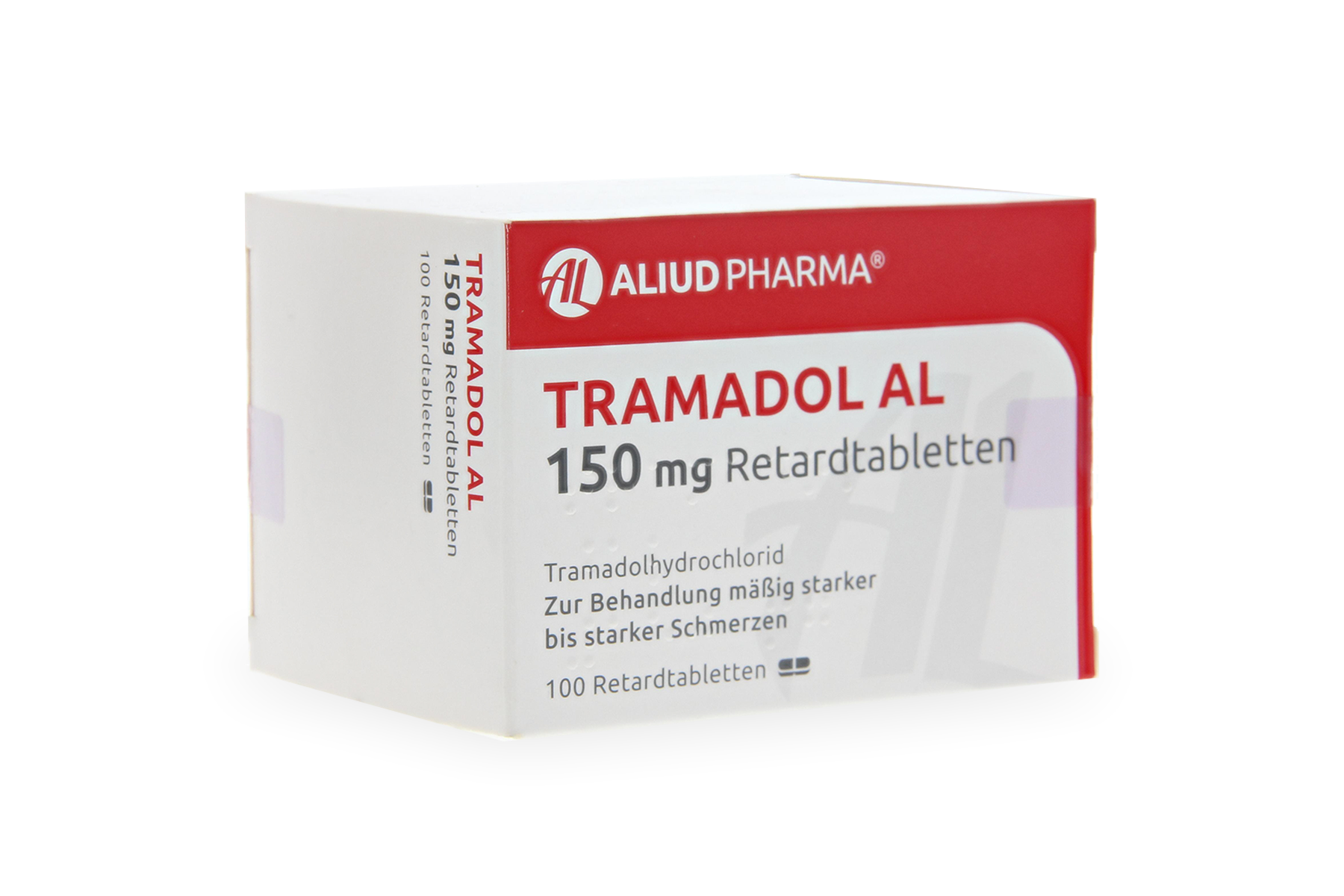
Tramadol 200 kaps
This website provides general information about medicines for educational purposes only. Always consult your doctor or pharmacist before taking any medication.
Choose Your Medicine
Select dosage and quantity
Online Consultation
Reviewed by a qualified physician
Fast, Discreet Delivery
Delivered to your door
Medical Information
About This Medicine
Tramadol is a centrally acting analgesic prescribed for the relief of moderate to moderately severe pain. It has a dual mechanism of action, working both as a weak opioid agonist and as an inhibitor of noradrenaline and serotonin reuptake. This combination provides pain relief through multiple pathways, making tramadol effective for a broader range of pain types than pure opioids of equivalent strength.
Tramadol is commonly prescribed for post-operative pain, musculoskeletal pain, and pain associated with chronic conditions when simpler analgesics such as paracetamol and NSAIDs have proven insufficient. As a controlled substance, it requires careful prescribing and monitoring due to its potential for tolerance, dependence, and misuse.
Usage & Dosage
How to Take Tramadol
Take tramadol exactly as prescribed by your doctor. Capsules should be swallowed whole with water and can be taken with or without food. Do not crush, chew, or break modified-release formulations, as this can release the full dose at once and increase the risk of side effects.
For immediate-release capsules, the usual dose is 50 to 100 mg every four to six hours as needed. For modified-release preparations, the dose is typically taken once or twice daily at regular intervals. Do not exceed the maximum prescribed dose, and do not stop taking tramadol abruptly after prolonged use, as this can cause withdrawal symptoms.
Tramadol is available in 50 mg immediate-release capsules and in various modified-release formulations (100 mg, 150 mg, 200 mg). The usual adult dose is 50 to 100 mg every four to six hours for immediate-release, with a maximum of 400 mg per day. Modified-release doses are individualised. Elderly patients and those with kidney or liver impairment may require lower doses and longer intervals between doses.
Side Effects
Common Side Effects
The most common side effects of tramadol include:
- Nausea and vomiting
- Dizziness
- Constipation
- Drowsiness
- Headache
- Dry mouth
Serious Side Effects
More serious but less common effects include seizures (particularly at higher doses or in susceptible individuals), serotonin syndrome (when combined with other serotonergic drugs), and respiratory depression. Seek immediate medical attention if you experience difficulty breathing, seizures, or signs of a severe allergic reaction.
Warnings & Precautions
Tramadol carries a risk of psychological and physical dependence. It should be used for the shortest duration necessary and at the lowest effective dose. Do not increase the dose without medical advice, and discuss a gradual tapering plan with your prescriber if you have been taking it for more than a few weeks.
Do not combine tramadol with alcohol, sedatives, or other central nervous system depressants, as this significantly increases the risk of dangerous respiratory depression. Tramadol should not be taken with MAO inhibitors, SSRIs, or other serotonergic medications without medical supervision due to the risk of serotonin syndrome.
Contraindications
Tramadol is contraindicated in patients with uncontrolled epilepsy, those currently taking or who have recently taken MAO inhibitors, and individuals with severe respiratory depression. It should not be used for opioid withdrawal management. It is not recommended during pregnancy, particularly in the third trimester, or while breastfeeding.
Frequently Asked Questions
Is tramadol addictive?
Can I drive while taking tramadol?
How should I stop taking tramadol?
Dr. Ross Elledge
General Practitioner · General & Family Medicine
Verified Healthcare Professional
TopDoctors Profile