
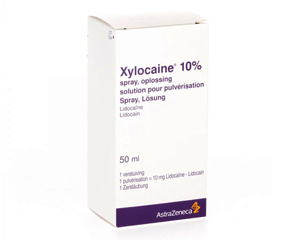
Xylocaine
View Options
This website provides general information about medicines for educational purposes only. Always consult your doctor or pharmacist before taking any medication.
Choose Your Medicine
Select dosage and quantity
Online Consultation
Reviewed by a qualified physician
Fast, Discreet Delivery
Delivered to your door
Medical Information
About This Medicine
Xylocaine (lidocaine) is a local anaesthetic used in a variety of formulations to provide temporary numbness and pain relief. Available as topical gels, sprays, creams, and injectable solutions, lidocaine blocks sodium channels in nerve fibres, preventing the transmission of pain signals. Topical formulations are used for mouth ulcers, sore throat, urethral procedures, and minor skin procedures.
Usage & Dosage
How to Apply Xylocaine
Apply Xylocaine (lidocaine) topically to the affected area as directed. For gel formulations, apply a thin layer to the painful or numbed area up to four times daily. For spray formulations, apply one to three sprays to the target area. Wash your hands after application unless the hands are being treated.
For use on intact skin prior to minor procedures, apply the cream or gel to the area under an occlusive dressing for the recommended time (usually 60 minutes) before the procedure, then wipe off and clean the area before proceeding.
Important Precautions
Use only on intact skin or mucous membranes as directed. Do not apply to broken, damaged, or extensively abraded skin, as absorption increases significantly. Do not apply near the eyes without specific medical guidance. Use only the minimum amount needed — excessive application, particularly over large areas, increases the risk of systemic absorption.
Topical gel (2%): apply up to 4 times daily. Spray (10%): 1 to 3 sprays per application. Maximum doses depend on the formulation and area of application. Follow product-specific guidelines.
Side Effects
Common Side Effects
Side effects are uncommon with topical use when applied correctly:
- Local irritation, redness, or burning at the application site
- Skin rash or contact sensitivity
- Numbness extending slightly beyond the treated area (expected and harmless)
Systemic Toxicity
Systemic toxicity is rare with topical use but can occur if Xylocaine is applied to large areas, damaged skin, or mucous membranes, particularly at higher doses. Early signs of lidocaine toxicity include dizziness, ringing in the ears, numbness around the mouth, and a metallic taste. Seek medical attention immediately if you experience confusion, tremors, an irregular heartbeat, or difficulty breathing after using Xylocaine.
Warnings & Precautions
Do not apply to large areas of broken skin or mucous membranes, as this increases systemic absorption. Avoid ingesting topical preparations. Lidocaine toxicity can cause dizziness, tinnitus, and in severe cases, seizures and cardiac arrhythmias.
Contraindications
Contraindicated in known hypersensitivity to lidocaine or other amide-type local anaesthetics.
Frequently Asked Questions
How long does lidocaine numbing last?
Dr. Ross Elledge
General Practitioner · General & Family Medicine
Verified Healthcare Professional
TopDoctors Profile