
Antiviral Treatments Prescribed by UK Doctors
Herpes simplex virus (HSV) affects about 70% of people worldwide. Genital herpes (HSV-2) is present in 12% of UK adults aged 16-49. As a GP, I prescribe aciclovir and valaciclovir. I use them both to treat outbreaks and to prevent them. Starting treatment early, during the prodromal phase (the warning stage), shortens an outbreak by 1-2 days. It also cuts viral shedding by 80%, which lowers the risk of passing the virus on.
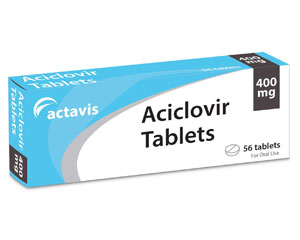
Aciclovir 400 mg three times daily for 5 days is the first-line treatment for a genital HSV outbreak, per BASHH guidelines
Valaciclovir 500 mg daily as suppressive (preventive) therapy cuts genital herpes recurrences by 70-80% in clinical trials
Starting antiviral treatment during the prodromal phase (tingling, burning) shortens an outbreak by 1-2 days on average
Suppressive antiviral therapy cuts HSV-2 transmission to uninfected partners by 48%, per the landmark Corey 2004 study
About Antiviral
Understanding Herpes Simplex Virus
Herpes simplex virus comes in two types. HSV-1 is usually linked to cold sores around the mouth (orolabial infection). HSV-2 mainly causes genital herpes. This line has now blurred.
HSV-1 causes 50-70% of new genital herpes cases in the UK, driven by changes in sexual habits.
Epidemiology in the UK:
- HSV-1: about 60-70% of adults carry it (many caught it in childhood)
- HSV-2: about 12% of adults aged 16-49 carry it
- New genital herpes diagnoses: about 33,000 per year through sexual health clinics
- 80% of people with HSV-2 do not know they have it, because symptoms are mild or go unnoticed
How the virus behaves: HSV first infects the surface cells of the skin or mucous membranes.
It then travels along sensory nerves to a nerve cluster called a ganglion (the sacral ganglia for genital HSV, the trigeminal ganglion for cold sores). There it stays for life in a dormant state.
From time to time it wakes up and travels back to the skin. This causes a fresh outbreak, or it sheds quietly without symptoms.
A first genital herpes episode appears 2-14 days after contact. You get painful clusters of small blisters on red skin. These break open into ulcers within 24-48 hours.
Whole-body symptoms such as fever, feeling unwell, and swollen glands in the groin (inguinal lymphadenopathy) are common. Passing urine may sting (dysuria) if sores affect the urethra or vulva.
Without treatment, the first episode lasts 2-4 weeks.
Recurrent genital herpes is milder and shorter, lasting 5-10 days without treatment. Warning signs come first in about 50% of patients.
These prodromal symptoms (tingling, burning, itching, or shooting pain in the affected area) start 12-48 hours before any sores show. How often outbreaks return varies a lot.
Some patients have them monthly. Others have one and never have another. HSV-2 comes back more often (4-6 times per year on average) than genital HSV-1 (1-2 times per year on average).
Things that can trigger an outbreak include:
- Physical or emotional stress
- Sun (UV) exposure, especially for cold sores
- Menstruation
- An illness with fever
- A weakened immune system
- Skin injury or rubbing in the area
Antiviral Treatment Options
Antiviral medicines called nucleoside analogues do not clear HSV from the nerve clusters. Instead, they stop the virus from copying itself.
This eases symptoms, shortens outbreaks, and lowers the risk of passing it on. Treatment follows BASHH (British Association for Sexual Health and HIV) and NICE guidelines.
Aciclovir was the first antiviral for HSV. An enzyme made by the virus (thymidine kinase) switches it on, and the body's own enzymes then turn it into its active form.
This active form blocks the virus from copying its DNA. It targets infected cells closely, which is why it is so safe.
Dosing:
- First genital herpes episode: aciclovir 400 mg three times daily for 5-10 days (or 200 mg five times daily, which works just as well but is less convenient)
- Recurrent genital herpes (treating an outbreak): aciclovir 800 mg three times daily for 2 days (a very short course) or 400 mg three times daily for 3-5 days
- Suppressive (preventive) therapy: aciclovir 400 mg twice daily, taken continuously
- Cold sores: aciclovir cream 5% applied 5 times daily for 5-10 days. Aciclovir tablets work better for severe or frequent episodes
Valaciclovir is a prodrug of aciclovir (the L-valyl ester). The body absorbs it 3-5 times better when taken by mouth (54% compared with 15-20%).
This means you can take it less often and still get the same or higher drug levels in the tissues.
Dosing:
- First genital herpes episode: valaciclovir 500 mg twice daily for 5-10 days
- Recurrent genital herpes (treating an outbreak): valaciclovir 500 mg twice daily for 3 days
- Suppressive (preventive) therapy: valaciclovir 500 mg once daily (standard), or 1 g once daily if outbreaks still break through on 500 mg
- Reducing transmission: valaciclovir 500 mg daily cuts HSV-2 transmission to uninfected partners by 48% (Corey et al, NEJM 2004)
Patient-initiated episodic therapy (PIET): Here you get a prescription in advance. You can then start treatment straight away at the first warning sign, which works best.
Waiting more than 48 hours after sores appear gives much less benefit.
Preventive versus outbreak treatment: Suppressive (preventive) therapy is advised for patients who have:
- 6 or more outbreaks per year
- Major emotional distress from outbreaks
- A wish to lower the risk of passing HSV to an uninfected partner
- Outbreaks that are severe or long despite treating each one as it comes
Safety Profile and Special Considerations
Aciclovir and valaciclovir have a very strong safety record. They have been in use since the 1980s and 1990s. Serious side effects are rare at standard doses taken by mouth.
Common side effects (in 1-10% of patients):
- Nausea and stomach discomfort: 2-5%, usually mild and short-lived
- Headache: 2-3%
- Dizziness: 1-2%
The kidneys: The body clears both drugs through the kidneys.
With high doses given into a vein, or in patients who are dehydrated, aciclovir can form crystals in the kidneys (crystalluria) and cause acute kidney injury.
At standard doses by mouth, this risk is tiny in patients with normal kidneys.
- Aciclovir: reduce to 400 mg twice daily for prevention
- Valaciclovir: reduce to 500 mg daily for prevention, and 500 mg twice daily to treat an outbreak
Pregnancy: Aciclovir has been used widely in pregnancy. The aciclovir pregnancy registry recorded over 1,000 first-trimester exposures with no sign of birth defects.
BASHH advises suppressive aciclovir 400 mg three times daily from 36 weeks of pregnancy for women with genital HSV.
This lowers the risk of neonatal herpes (herpes in a newborn), which has a 30% death rate if it spreads through the body.
Breastfeeding: Aciclovir passes into breast milk at low levels (0.6-4.1 times the level in the blood).
The baby gets under 1% of the usual treatment dose for children, so it is safe to use while breastfeeding.
Drug interactions are few. Probenecid slows how fast the kidneys clear aciclovir, so aciclovir levels rise.
If used alongside drugs that can harm the kidneys (aminoglycosides, ciclosporin, tacrolimus), check kidney function.
Antiviral resistance: Aciclovir resistance happens through changes (mutations) in the virus's thymidine kinase. It affects fewer than 1% of patients with a healthy immune system.
It is more of a worry in those with a weakened immune system (5-10%), who can use intravenous foscarnet instead.
Long-term preventive use does not cause resistance any more often than treating each outbreak does.
Long-term preventive use: Safety data covering over 6 years of continuous aciclovir use shows no build-up of harm, no rise in cancer risk, and no effect on fertility.
A yearly review is advised to check whether you still need it, since outbreaks become less frequent over time.
Living with HSV - Practical Guidance
A herpes diagnosis can have a big emotional impact. This is often far greater than how mild the condition is in physical terms.
Good counselling and practical steps help patients feel in control and ease both the physical and emotional load.
Emotional impact: Studies show the distress after a genital herpes diagnosis can outweigh the physical symptoms. Shame, worry about telling a partner, and fear of rejection are very common.
Helping patients see the diagnosis as normal is an important part of care. HSV is one of the most common infections in the world, carried by most of the adult population.
Telling partners and relationships: BASHH gives guidance on talking about HSV with a partner. The main points:
- For mixed-status heterosexual couples, the risk of passing it on is about 1-2% per year if you use condoms, take preventive therapy, and avoid sex during outbreaks
- Using condoms plus suppressive valaciclovir together cuts transmission by about 75%
- Shedding the virus without symptoms causes over 70% of HSV-2 transmission. This is why preventive therapy helps beyond just easing symptoms
Managing an outbreak:
- Keep the area clean and dry. Bathing it with salt water (1 teaspoon salt per 500 mL water) soothes the ulcers
- Wear loose cotton underwear to reduce rubbing and let air reach the skin
- Lidocaine 2% gel on the sores numbs the area for 30-60 minutes
- Painkillers by mouth (paracetamol, ibuprofen) ease whole-body discomfort during a first episode
- Avoid sex from the first warning sign until the sores have fully healed over
How it changes over time: Outbreaks usually become less frequent and less severe over 5-10 years as the immune system learns to keep the virus in check.
A patient with 6 episodes in the first year may drop to 1-2 per year by year 5. This natural decline should guide decisions about long-term preventive therapy.
Supporting your immune system:
- Enough sleep (7-9 hours) and managing stress reduce triggers
- L-lysine supplements (1-3 g daily) have limited evidence from small trials, which hint at a modest drop in how often outbreaks return. The results are not consistent
- Foods rich in arginine (nuts, chocolate, seeds) have been linked in theory to outbreaks, but the evidence does not support cutting arginine from your diet
- Sun protection (SPF 30+ lip balm) helps prevent cold sores triggered by UV light
Frequently Asked Questions
How quickly should I start antiviral treatment?
Is there a cure for herpes?
Can I take valaciclovir long-term?
Will condoms prevent herpes transmission?
Can I get genital herpes from cold sores?
Do I need a swab test to confirm herpes?
The medical information on this site is provided for educational purposes. It does not replace a face-to-face consultation with your GP or specialist. Always follow the advice of your prescribing doctor and read the patient information leaflet supplied with your medication.