
Stop Smoking Treatments Prescribed by UK Doctors
Smoking kills 78,000 people in the UK each year. Yet 60% of smokers say they want to quit. As a GP, I have seen that the right medicine doubles or triples your chances of success. Willpower alone is far weaker. Varenicline (Champix) works best of all the single treatments. In trials, 22-33% of people stayed smoke-free for 12 months. A clear quit plan gives you the best start.
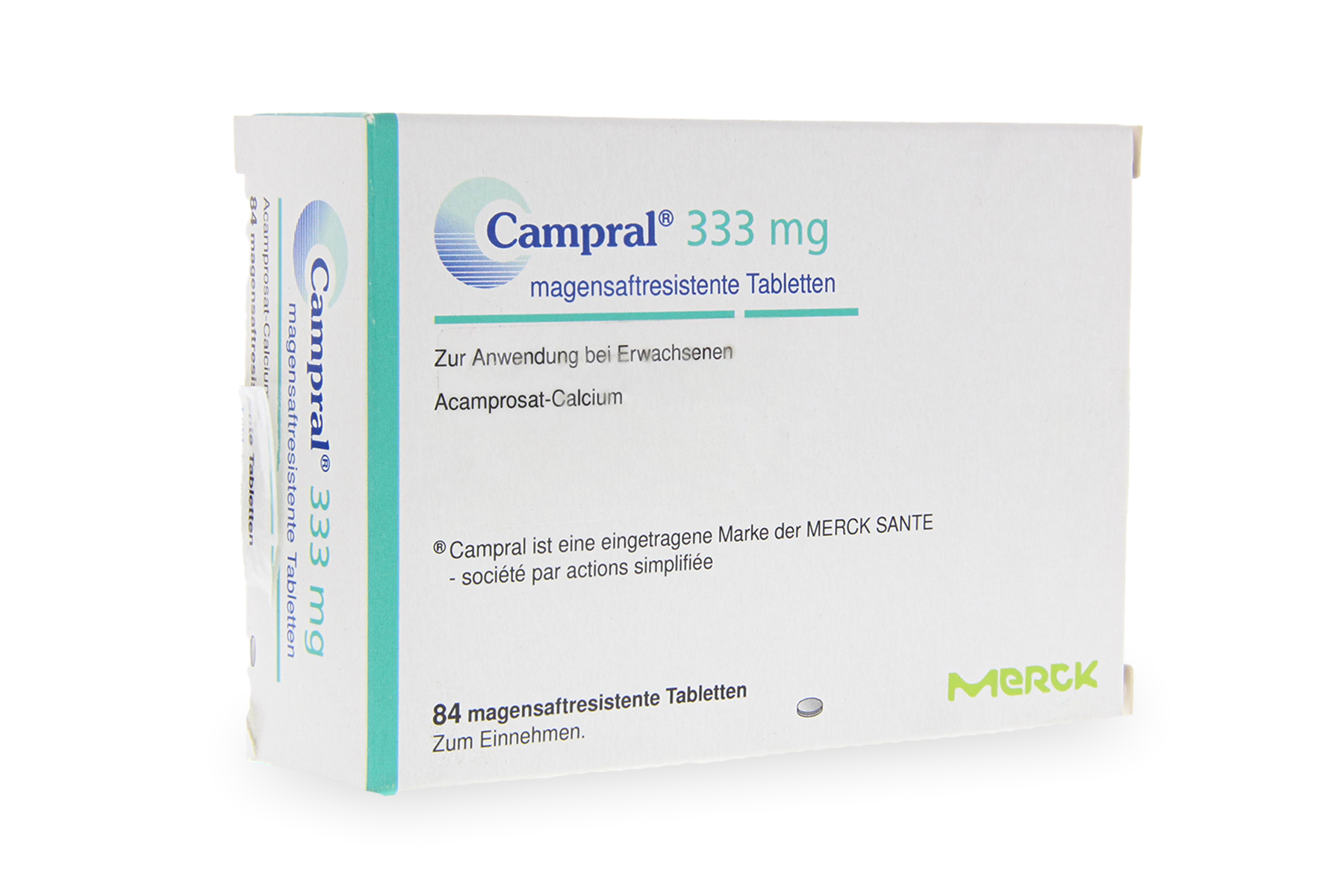
Varenicline (Champix) keeps 22-33% of people smoke-free at 12 months. No other single quit aid does better.
Combination NRT (a patch plus a fast-acting product) works as well as varenicline. It suits people who would rather not take tablets.
NICE PH10 says offer medicine to every smoker who tries to quit, no matter how many cigarettes they smoke a day.
Most people slip back within the first 8 weeks. Carrying on with medicine for 24 weeks raises your long-term chances.
About Quit Smoking
The Health Case for Quitting Smoking
Smoking is the leading preventable cause of death in the UK. It kills about 78,000 people a year and leads to 480,000 hospital stays. It causes 72% of lung cancers and 80% of COPD cases.
COPD is a lung disease that makes breathing hard. Smoking also doubles your risk of heart and blood vessel disease. The cost to the country tops £12.
6 billion a year, through healthcare, lost work, and social care.
How your health recovers after you quit, and how fast:
- 20 minutes: your heart rate and blood pressure start to settle
- 48 hours: carbon monoxide leaves your body; taste and smell begin to return
- 72 hours: your airways relax; you can breathe more easily
- 2-12 weeks: your circulation improves; your lung function rises by up to 10%
- 1 year: your risk of coronary heart disease drops to half that of a smoker
- 5 years: your stroke risk falls to that of a non-smoker
- 10 years: your lung cancer risk falls to about half that of a smoker
- 15 years: your risk of coronary heart disease matches that of a lifelong non-smoker
Nicotine dependence is a long-term condition that keeps coming back. Nicotine binds to alpha-4-beta-2 nicotinic acetylcholine receptors.
These are docking points on brain cells in the reward pathway. Each cigarette sends nicotine to the brain within 10-20 seconds.
This causes a quick burst of dopamine, a brain chemical that makes you feel good and pushes you to smoke again. Your body gets used to nicotine within days, so you need more to feel the same effect.
The Fagerstrom Test for Nicotine Dependence measures how strong the habit is:
- How soon you smoke after waking (under 5 minutes means high dependence)
- How many cigarettes you smoke a day (20 or more means high dependence)
- How hard it is to go without in places where you cannot smoke
- Whether you smoke more in the morning than later in the day
People with a strong habit (Fagerstrom score 7-10) gain the most from medicine. They should be first in line for a prescription.
NICE PH10 is clear: offer medicine to every smoker who is trying to quit.
Prescription Quit Aids and How They Work
NICE PH10 recommends three first-line medicines to help you stop smoking.
The right choice depends on what you prefer, how strong your habit is, any conditions that rule a medicine out, and how past quit attempts went.
Varenicline (Champix) is a partial agonist at the alpha-4-beta-2 nicotinic receptor. This means it gives a brain cell a gentle nudge rather than a full hit.
It triggers about 45% of the dopamine that nicotine would, which eases cravings and withdrawal. At the same time, it blocks nicotine from binding if you do smoke.
- Days 1-3: 0.5 mg once a day
- Days 4-7: 0.5 mg twice a day
- Day 8 onwards (your quit date): 1 mg twice a day for 11 weeks, a 12-week course in total
How well it works: the EAGLES trial had 8,144 people. Over 12 weeks, the share who stayed smoke-free was 21.8% on varenicline, 17.7% on NRT, 15.7% on bupropion, and 9.4% on a dummy pill.
Carrying on for 24 weeks raises long-term success further. Varenicline was pulled from sale in 2021 because of N-nitrosamine contamination, a chemical impurity. It is now back on the UK market.
Nicotine replacement therapy (NRT) gives you nicotine without the 7,000 or more harmful chemicals in tobacco smoke. The forms include:
- Patches (16-hour or 24-hour): give a steady level of nicotine; you step the dose down over 8-12 weeks
- Inhalator, nasal spray, mouth spray, lozenges, and gum: give fast nicotine for sudden cravings
Combination NRT is a patch plus a fast-acting product. It works better than any single NRT form and comes close to varenicline. NICE recommends it as a first-line option.
Bupropion (Zyban) is a noradrenaline-dopamine reuptake inhibitor. It keeps two brain chemicals around longer, which eases withdrawal and cravings.
Dose: 150 mg a day for 6 days, then 150 mg twice a day for 7-9 weeks. The risk of a seizure is 1 in 1,000 at the recommended dose.
Do not use it if you have epilepsy or an eating disorder, or if you take MAOIs (a type of antidepressant).
How we prescribe at Dr. Presc:
- Set a quit date 1-2 weeks after you start varenicline or bupropion
- Start NRT on the quit date itself
- Pair your medicine with behavioural support; even brief advice raises quit rates by 1-3%
- Review your progress at 2 weeks, 4 weeks, and 12 weeks after your quit date
- Think about going on to 24 weeks for people with a strong habit, or those who slip back after early success
Managing Withdrawal and Preventing Relapse
Nicotine withdrawal is worst in the first 72 hours after you stop. It then eases off over 2-4 weeks. Knowing what to expect, and having a plan ready, greatly improves your chances.
What withdrawal feels like, and when:
- Hours 4-24: you feel irritable, anxious, and restless, and find it hard to focus
- Days 1-3: the peak, with strong cravings that last 3-5 minutes each, plus poor sleep, more hunger, and low mood
- Weeks 1-4: things slowly improve; cravings come less often and feel weaker; extra hunger may stay
- Months 1-3: mental cravings set off by certain cues, such as after meals, with coffee, or while socialising
How relapse happens: the Smoking Toolkit Study shows that 75% of quit attempts without help fail in the first week. With medicine, this drops to 40-50% at one week and 65-70% at one year.
Most slips come from a trigger in the moment rather than from withdrawal itself.
Proven ways to stop yourself slipping back:
- Spot your own high-risk moments, such as the pub, work breaks, or stress, and plan how to handle each one
- Use fast-acting NRT, such as a mouth spray or inhalator, for sudden cravings; the craving passes in 3-5 minutes whether or not you smoke
- Change the routines tied to smoking; alter what you do after a meal, or take a different route past the shop
- Try the delay trick: when a craving hits, wait 10 minutes and do something to take your mind off it
Managing your weight while you quit: most people gain 4-5 kg over 12 months. This comes from more hunger and a slower metabolism, since nicotine raises your resting metabolism by 7-15%.
- Move more; a 30-minute daily walk offsets much of the change
- Keep healthy snacks to hand, such as vegetable sticks or sugar-free gum, to give your mouth something to do
- Do not start a strict diet at the same time; this doubles the stress and makes you more likely to slip back
- Varenicline and NRT hold back some of the weight gain while you take them
Your mental health: smokers are 2-3 times more likely than non-smokers to have depression and anxiety.
Many people believe smoking calms them, but the opposite is true: quitting improves mental health. A meta-analysis in the BMJ found that stopping smoking lowers anxiety, depression, and stress.
It also lifts mood and quality of life, with effects as strong as those of antidepressant medicine.
Building a Smoke-Free Life
Lasting success means building new habits. It also means dealing with the mental and social sides of smoking, which stay with you after the nicotine craving fades.
Behavioural support makes your medicine work much better. NICE PH10 recommends pairing medicine with group or one-to-one counselling.
NHS Stop Smoking Services offer free expert help and reach 4-week quit rates of 35-50%. Medicine plus support is the most cost-effective health treatment in the NHS.
What behavioural support involves:
- Motivational interviewing to build up your own reasons for quitting
- Rethinking your beliefs about smoking; for example, swapping "I need a cigarette to relax" for "nicotine withdrawal is what makes me anxious in the first place"
- Making a plan to prevent slips, with a set response for each trigger
- Regular check-ins during the vital first 12 weeks
Money as motivation: someone who smokes 20 a day at average UK prices spends about £5,000 a year.
Work out what you save over time and put it towards something real, such as a holiday or home improvement. That gives you a steady reason to keep going.
Managing the people and places around you:
- Tell friends, family, and colleagues your quit date; being accountable to others helps you succeed
- If your partner smokes, quitting together doubles your chances
- Avoid heavy drinking in the first 4 weeks; for social smokers, alcohol is the single biggest trigger for a slip
- Clean the car, wash the curtains, and deep-clean your home to clear away the smell that prompts cravings
E-cigarettes and vaping: NICE NG209 accepts that vaping is much less harmful than smoking and can help you quit. The MHRA is working on a way to license e-cigarettes as medicines.
The Cochrane Review (2022) found e-cigarettes more effective than NRT for quitting (RR 1.63).
Long-term safety data are still limited, so the advice is to use vaping as a step towards stopping nicotine for good, not as a lasting habit.
Carbon monoxide (CO) monitoring: the CO in your breath drops below 10 ppm within 48 hours of quitting. A breath test gives clear proof that you have stopped.
Checking CO at follow-up visits keeps you motivated and can pick up smoking you have not mentioned.
Frequently Asked Questions
Is Champix (varenicline) available again in the UK?
Can I use an e-cigarette alongside NRT patches?
How much weight will I gain after quitting?
Does NRT just replace one addiction with another?
What if I slip up and have a cigarette?
Is it safe to take varenicline if I have depression?
The medical information on this site is provided for educational purposes. It does not replace a face-to-face consultation with your GP or specialist. Always follow the advice of your prescribing doctor and read the patient information leaflet supplied with your medication.