
Thyroid Treatment Prescribed by UK Doctors
An underactive thyroid (hypothyroidism) affects 2-5% of people in the UK. Women get it 5-10 times more often than men. As a GP, I use your TSH blood test to guide your levothyroxine dose. The aim is to bring your thyroid back to normal without giving too much. Hashimoto's thyroiditis causes 90% of cases. With the right dose, fatigue, weight gain, and foggy thinking usually clear within 4-8 weeks.
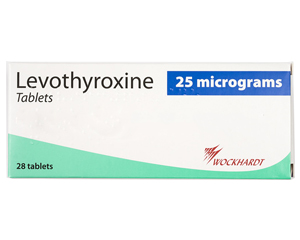
Levothyroxine usually starts at 50-100 mcg a day. Your TSH is rechecked at 6-8 weeks so the dose can be adjusted
For most adults on levothyroxine, the target TSH is 0.5-2.5 mU/L, in line with NICE NG145 and BTA guidance
Hashimoto's thyroiditis causes 90% of UK hypothyroidism. A raised anti-TPO antibody level confirms it
Take levothyroxine 30-60 minutes before breakfast. Food can cut how much you absorb by up to 40%
About Thyroid
Understanding Thyroid Disorders
The thyroid gland makes two hormones: thyroxine (T4) and triiodothyronine (T3). These hormones control how fast your body works.
They affect how you burn energy, stay warm, and how your heart, bones, and brain develop. Thyroid problems are among the most common hormone disorders seen in UK GP surgeries.
Hypothyroidism means the thyroid is underactive. It affects 2-5% of people, and up to 10% of women over 60. In 99% of cases the problem starts in the thyroid gland itself.
The main cause is Hashimoto's thyroiditis, a long-term condition where the immune system attacks the thyroid.
It causes about 90% of hypothyroidism in countries like the UK that have enough iodine in the diet.
In Hashimoto's, the immune system slowly destroys thyroid cells. This is driven by immune cells and by anti-thyroid peroxidase (anti-TPO) antibodies. Over time the thyroid makes less hormone.
Anti-TPO antibodies are found in 95% of cases and confirm that the cause is autoimmune.
Symptoms of hypothyroidism come on slowly. People often put them down to getting older, depression, or lifestyle:
- Tiredness and low energy (the most common first symptom)
- Weight gain (usually 3-5 kg, from fluid build-up and a slower metabolism)
- Feeling the cold
- Constipation
- Dry skin and brittle hair
- Slow thinking ("brain fog"), poor focus, and memory problems
- Depression and low mood
- Irregular periods (heavy periods before the menopause)
- A slow heartbeat and raised blood pressure
- Aching muscles and a raised creatine kinase level
Subclinical hypothyroidism means a raised TSH (4.5-10 mU/L) but a normal free T4. It affects 5-10% of adults. NICE NG145 advises treatment if TSH is over 10 mU/L.
It also advises treatment when TSH is 4.5-10 mU/L if you have symptoms and are anti-TPO positive. This suggests the condition is likely to worsen into full hypothyroidism, at about 5% per year.
Other causes include hypothyroidism after radioiodine treatment or thyroid surgery. Some medicines can cause it too, such as amiodarone, lithium, and immune checkpoint inhibitors.
A rare cause is central hypothyroidism, which comes from a problem in the pituitary gland or hypothalamus and needs specialist care.
Levothyroxine Prescribing and Dose Titration
Levothyroxine sodium is a man-made copy of the thyroid hormone thyroxine (T4). It is the standard treatment for an underactive thyroid.
It is also one of the most prescribed medicines in the UK, with over 30 million prescriptions handed out each year.
Starting and adjusting the dose follows NICE NG145 and British Thyroid Association (BTA) guidance:
- The usual starting dose for healthy adults under 65 is 50-100 mcg a day (about 1.6 mcg per kg of body weight as a rough guide)
- For older people, or those with heart disease, start at 25 mcg a day and raise it by 25 mcg every 4-6 weeks
- Recheck TSH 6-8 weeks after you start or change a dose. The body needs 5-6 half-lives to settle, and T4 has a half-life of 7 days
- Target TSH: 0.5-2.5 mU/L for most adults on treatment
Fine-tuning the dose takes a few steps. Doses are changed in 25 mcg amounts, based on the TSH result and how you feel. Too high a dose pushes TSH below 0.1 mU/L.
This raises the risk of an irregular heartbeat (atrial fibrillation, a 3-fold rise), thinner bones (faster bone loss), and anxiety.
Too low a dose leaves your symptoms unresolved and keeps your heart risk high.
What affects how well you absorb levothyroxine:
- Take it on an empty stomach, 30-60 minutes before food or other medicines
- Food cuts absorption by 20-40%, and coffee by 30%
- Calcium, iron, and proton pump inhibitors badly reduce absorption if taken at the same time. Leave a gap of at least 4 hours
- Taking it at the same time each day matters more than the exact time. Some people prefer a bedtime dose, taken 2-3 hours after their last meal, which avoids any clash in the morning
Sticking to one brand: The BTA advises staying on the same levothyroxine brand throughout treatment. This is because how much you absorb can differ by 5-10% between brands.
Switching brands without rechecking TSH can make your symptoms swing.
Special groups:
- Pregnancy: the need for levothyroxine goes up by 25-50% from the first trimester. TSH should be below 2.5 mU/L in the first trimester. Getting the dose right before pregnancy is vital for the baby's brain development.
- Older people: lower starting doses and slower changes reduce the risk to the heart. The TSH target may be eased to 1-5 mU/L in the very elderly.
- Poor absorption (coeliac disease, gastric bypass, IBD): may need a higher dose. A liquid form of levothyroxine can help if absorption is uneven.
Monitoring and Ongoing Management
Thyroid treatment needs regular checks. These make sure the dose is right, spot when the dose is too high, and help manage the long-term effects of thyroid autoimmunity.
Check-up schedule under NICE NG145:
- TSH every 6-8 weeks while the dose is being adjusted, until it is stable
- Once stable, a TSH test once a year is enough
- Check TSH sooner if your symptoms change, you start a new medicine, you become pregnant, or your weight changes a lot
- Free T4 is checked alongside TSH to see if the dose is enough. For most people it should sit in the upper third of the normal range
Symptoms that linger despite a normal TSH: About 5-10% of people on levothyroxine still report symptoms such as tiredness, foggy thinking, or weight problems, even with TSH in target.
- The body does not turn enough T4 into T3 in the tissues. This can be linked to changes in the DIO2 gene, which affects T4-to-T3 conversion
- Other conditions: low iron (ferritin below 30 mcg/L), low vitamin D (below 50 nmol/L), low vitamin B12, coeliac disease (check with tTG antibodies), or depression
- Other autoimmune conditions: people with Hashimoto's have higher rates of pernicious anaemia, Addison's disease, type 1 diabetes, and vitiligo
Adding T3 (liothyronine) to T4 is a debated topic. The BTA position statement does not advise adding T3 as a routine.
It does accept that a trial may be worth considering for people with ongoing symptoms on a well-set levothyroxine dose, under specialist care.
Liothyronine is short-acting, costly (£200-400 a month), and hard to dose evenly.
Mistakes to avoid when reading thyroid blood tests:
- Biotin supplements (common in hair and nail products) can throw off the lab tests. They cause a falsely low TSH and a falsely high free T4. Stop biotin 3 days before a blood test
- A serious illness (sick euthyroid syndrome) lowers TSH and T3 during the illness. Do not change levothyroxine based on tests taken during a hospital stay
- Central hypothyroidism gives a low free T4 with a TSH that is wrongly normal or low. TSH on its own is not enough to make this diagnosis
Annual reviews should also check heart risk and mental health. An underactive thyroid raises cholesterol by 10-20%, and this reverses once the dose is right.
Lifestyle Support for Thyroid Health
Levothyroxine fixes the missing hormone. Lifestyle steps can also help your thyroid work well, support your immune health, and ease symptoms that hang on while the dose is being adjusted.
Diet:
- Iodine: the thyroid needs 150 mcg a day to make its hormones. In the UK, most dietary iodine comes from dairy, fish, and iodised salt. Shortfalls are returning in the UK, mainly in young women and vegans. But too much iodine (above 500 mcg a day from kelp tablets) can make autoimmune thyroiditis worse, oddly enough (the Wolff-Chaikoff effect)
- Selenium 55-200 mcg a day: selenium-based proteins (glutathione peroxidase and the deiodinases) protect thyroid tissue from damage and help turn T4 into T3. A Cochrane review found that selenium lowers anti-TPO levels by 40% in people with Hashimoto's, though it helps symptoms less reliably
- Iron: ferritin below 30 mcg/L lowers thyroid peroxidase activity and adds to tiredness. Check it once a year and top it up if low
- Vitamin D: low levels (below 50 nmol/L) are more common in autoimmune thyroid disease. Topping up to 75-100 nmol/L is sensible, backed by data showing that higher vitamin D goes with lower anti-TPO levels
Goitrogens are substances that get in the way of thyroid hormone production. They are found in cruciferous vegetables (broccoli, cabbage, kale), soy, and cassava.
In practice, eating normal amounts of these foods in a varied diet does not harm thyroid function if you are on the right levothyroxine dose. Cooking cuts their goitrogen activity by 60-90%.
Exercise: People with an underactive thyroid often struggle with exercise while undertreated. Once your thyroid is back to normal on levothyroxine, aerobic and strength exercise is a good idea.
It helps undo the loss of fitness, weight gain, and muscle weakness that build up during low-thyroid periods. Start with 150 minutes of moderate activity a week and build up slowly.
Stress and the immune system: Stress switches on the body's main stress pathway (the hypothalamic-pituitary-adrenal axis) and can fuel autoimmune inflammation.
Mind-body practices such as meditation, yoga, and tai chi have shown calming effects on the immune system in autoimmune conditions, though thyroid-specific data are limited.
Weight: The 3-5 kg weight gain typical of hypothyroidism is mostly fluid that clears once the dose is right.
If your weight stays above your pre-illness level, it is worth rechecking the TSH target, ruling out excess cortisol, and reviewing your diet and activity.
Frequently Asked Questions
How long before levothyroxine makes me feel better?
Can I take levothyroxine with my morning coffee?
Why does my dose need changing?
Is Hashimoto's thyroiditis serious?
Should I take T3 as well as T4?
Can thyroid problems cause weight gain?
The medical information on this site is provided for educational purposes. It does not replace a face-to-face consultation with your GP or specialist. Always follow the advice of your prescribing doctor and read the patient information leaflet supplied with your medication.