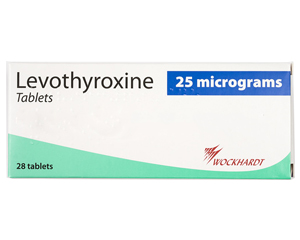
Levothyroxine
Incl. online consultation, medicine and discreet delivery
View Options
The medical information on this site is provided for educational purposes. It does not replace a face-to-face consultation with your GP or specialist. Always follow the advice of your prescribing doctor and read the patient information leaflet supplied with your medication.
Choose Your Medicine
Select dosage and quantity
Online Consultation
Reviewed by a qualified physician
Fast, Discreet Delivery
Delivered to your door
Medical Information
About This Medicine
Levothyroxine is a synthetic form of the thyroid hormone thyroxine (T4), prescribed as replacement therapy for hypothyroidism, a condition in which the thyroid gland does not produce sufficient thyroid hormone.
It is also used in the management of certain thyroid disorders including thyroid cancer suppression therapy, non-toxic diffuse goitre, and as an adjunct in the treatment of thyrotoxicosis following antithyroid drug therapy.
The thyroid hormones play a fundamental role in regulating metabolism, energy production, growth, and development.
In hypothyroidism, inadequate hormone production leads to symptoms such as fatigue, weight gain, cold intolerance, constipation, dry skin, hair thinning, and cognitive slowing.
Levothyroxine replaces the missing hormone, restoring normal metabolic function.
Levothyroxine is a cornerstone of endocrine medicine and is typically prescribed as a lifelong treatment.
Dosing is highly individualised, guided by thyroid function blood tests (primarily TSH and free T4), and adjustments are made gradually to achieve stable hormone levels within the target range.
Usage & Dosage
Take levothyroxine once daily on an empty stomach, ideally 30 to 60 minutes before breakfast, with a full glass of water. Consistent timing each day is important for stable absorption.
Do not take levothyroxine at the same time as calcium supplements, iron preparations, antacids, or soy-based products, as these can reduce absorption.
Leave at least four hours between levothyroxine and such products. Do not switch between brands without medical guidance, as bioavailability may differ.
The usual starting dose in adults is 25 to 50 micrograms daily, increased by 25 to 50 micrograms every four to six weeks until thyroid function normalises.
The typical maintenance dose is 100 to 200 micrograms daily, though individual requirements vary. In elderly patients or those with cardiac disease, start at 12.
5 to 25 micrograms daily with cautious titration. Thyroid function should be rechecked six to eight weeks after any dose change.
Side Effects
Common (dose-related, indicating over-replacement): palpitations, tachycardia, tremor, restlessness, insomnia, headache, flushing, sweating, diarrhoea, weight loss, heat intolerance, menstrual irregularity.
These symptoms suggest the dose may be too high and should prompt a review of thyroid function. Uncommon (1 in 100 to 1 in 1,000): angina, arrhythmias, muscle cramps.
Rare (1 in 1,000 to 1 in 10,000): allergic skin reactions, hair loss during initial months (usually transient). Most side effects resolve with appropriate dose adjustment.
Levothyroxine at the correct replacement dose should not cause adverse effects.
Warnings & Precautions
Initiate treatment cautiously in patients with cardiovascular disease, as thyroid hormone replacement increases myocardial oxygen demand.
Do not use levothyroxine for weight loss in euthyroid individuals, as supraphysiological doses can cause serious cardiac and bone complications.
Numerous medications interact with levothyroxine, including warfarin, carbamazepine, rifampicin, and oestrogen-containing preparations.
Inform your prescriber of all medications and supplements you take. Patients with adrenal insufficiency must have cortisol replacement established before starting levothyroxine.
Contraindications
Levothyroxine is contraindicated in untreated adrenal insufficiency (Addison's disease) and in patients with thyrotoxicosis.
It should not be used for weight reduction in the absence of thyroid disease. Hypersensitivity to levothyroxine or any excipient is a contraindication.
Acute myocardial infarction is a relative contraindication, and treatment should be initiated with extreme caution in patients with severe cardiac disease.