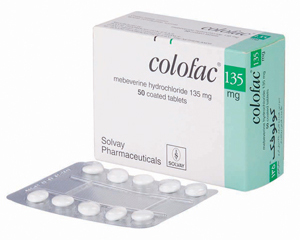
Colofac
Incl. online consultation, medicine and discreet delivery
View Options
The medical information on this site is provided for educational purposes. It does not replace a face-to-face consultation with your GP or specialist. Always follow the advice of your prescribing doctor and read the patient information leaflet supplied with your medication.
Choose Your Medicine
Select dosage and quantity
Online Consultation
Reviewed by a qualified physician
Fast, Discreet Delivery
Delivered to your door
Medical Information
About This Medicine
Colofac contains mebeverine hydrochloride, an antispasmodic medication used to relieve the symptoms of irritable bowel syndrome (IBS) and other conditions involving spasm of the smooth muscle in the gastrointestinal tract.
It is one of the most widely prescribed treatments for IBS in the United Kingdom.
Mebeverine acts directly on the smooth muscle of the gut wall, reducing abnormal contractions without affecting normal intestinal motility.
Unlike anticholinergic antispasmodics, mebeverine does not block acetylcholine receptors, which means it causes fewer systemic side effects such as dry mouth, blurred vision, and urinary retention.
Patients with IBS often experience a cycle of abdominal cramping, bloating, and altered bowel habit that can significantly affect quality of life.
Colofac helps break this cycle by calming the overactive muscle contractions that drive the pain and discomfort.
Colofac is available as standard tablets (135 mg) and as a modified-release capsule (Colofac MR 200 mg).
It is intended for use alongside dietary and lifestyle modifications that form the broader management of IBS.
Usage & Dosage
Swallow Colofac tablets whole with water, ideally 20 minutes before meals. The standard dosing is one 135 mg tablet three times daily.
For the modified-release formulation (Colofac MR), take one 200 mg capsule twice daily, morning and evening, 20 minutes before food.
Do not crush or chew modified-release capsules. Continue taking Colofac for as long as your symptoms persist or as directed by your doctor.
If symptoms do not improve after two weeks, seek medical review.
Maintaining a regular eating pattern, staying well hydrated, and managing stress can enhance the benefit of mebeverine.
The standard adult dose is 135 mg (one tablet) three times daily before meals. Alternatively, Colofac MR 200 mg capsules may be taken twice daily.
The dose should not be exceeded without medical advice.
Colofac is suitable for adults and adolescents over 18 years of age for the standard tablets, or over 18 for the MR capsules. It is not generally recommended for children under 10 years.
No dose adjustment is required in elderly patients or those with renal impairment.
Side Effects
Mebeverine is well tolerated and side effects are uncommon.
Rarely, patients may experience allergic skin reactions such as urticaria (hives), angioedema (swelling of the face or throat), or a more generalised rash.
Very rarely, hypersensitivity reactions have been reported.
There have been no significant reports of anticholinergic effects such as dry mouth, constipation, or blurred vision, which distinguishes mebeverine from older antispasmodic agents.
If you experience any swelling of the face, lips, or tongue, or develop difficulty breathing after taking Colofac, stop the medication and seek immediate medical attention.
Warnings & Precautions
Colofac should not be relied upon as the sole treatment for IBS.
Dietary measures such as increasing soluble fibre, reducing caffeine and alcohol, eating regular meals, and keeping a food diary to identify triggers remain important components of management.
If new symptoms develop, such as unexplained weight loss, rectal bleeding, or a change in bowel habit in someone over 50, these should be investigated further, as they may indicate a condition other than IBS.
Inform your prescriber if you are pregnant, breastfeeding, or planning a pregnancy before starting mebeverine.
Contraindications
Colofac is contraindicated in individuals with known hypersensitivity to mebeverine hydrochloride or any of the tablet's excipients.
It should not be used in cases of paralytic ileus or intestinal obstruction.
The modified-release capsules contain certain excipients that may be unsuitable for patients with specific intolerances; check the patient information leaflet if you have known allergies to any inactive ingredients.