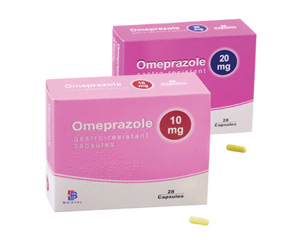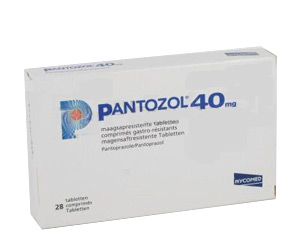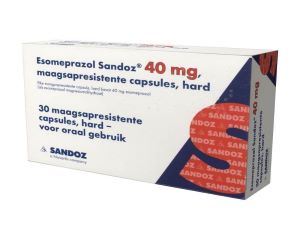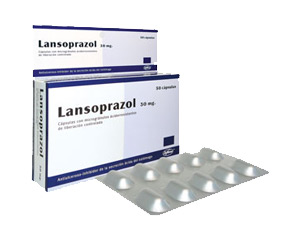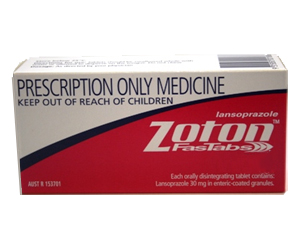
Zoton FasTab
Incl. online consultation, medicine and discreet delivery
View Options
The medical information on this site is provided for educational purposes. It does not replace a face-to-face consultation with your GP or specialist. Always follow the advice of your prescribing doctor and read the patient information leaflet supplied with your medication.
Choose Your Medicine
Select dosage and quantity
Online Consultation
Reviewed by a qualified physician
Fast, Discreet Delivery
Delivered to your door
Medical Information
About This Medicine
Zoton FasTab is an orodispersible tablet containing lansoprazole, a proton pump inhibitor (PPI) used to reduce gastric acid production.
It is prescribed for the treatment of gastro-oesophageal reflux disease (GORD), peptic ulcers, and as part of Helicobacter pylori eradication regimens.
Lansoprazole works by irreversibly inhibiting the hydrogen-potassium ATPase enzyme system (the proton pump) on the surface of gastric parietal cells.
This blocks the final step of acid secretion, producing a profound and sustained reduction in stomach acid output. A single daily dose can reduce acid production by more than 90 per cent.
The FasTab formulation is designed to disintegrate on the tongue, making it suitable for patients who have difficulty swallowing conventional capsules.
The granules released from the tablet are enteric-coated to protect the active drug from degradation by stomach acid before it reaches the small intestine for absorption.
Zoton FasTab is commonly used in the short-term healing of duodenal and gastric ulcers, maintenance therapy to prevent ulcer recurrence, and the management of reflux oesophagitis.
It may also be prescribed for Zollinger-Ellison syndrome.
Usage & Dosage
Place one Zoton FasTab on the tongue and allow it to disperse. The resulting granules may be swallowed with or without water.
Alternatively, the tablet can be dispersed in a small amount of water and the suspension swallowed. Do not crush or chew the enteric-coated granules.
Take the dose in the morning, before eating, for optimal acid suppression. If a twice-daily regimen is prescribed, take the second dose before the evening meal.
Continue the treatment for the full course recommended by your prescriber, even if symptoms resolve quickly.
If you miss a dose, take it as soon as you remember unless it is close to the time for the next dose. Do not double up.
For GORD and reflux oesophagitis: 30 mg once daily for four to eight weeks. A maintenance dose of 15 mg daily may be used to prevent relapse.
For duodenal ulcers: 30 mg once daily for two to four weeks. For gastric ulcers: 30 mg once daily for four to eight weeks.
For H. pylori eradication: lansoprazole 30 mg twice daily is taken alongside two antibiotics for seven days. In Zollinger-Ellison syndrome, doses of 60 to 120 mg daily may be required.
Dose adjustments may be needed in severe hepatic impairment.
Side Effects
Headache, diarrhoea, nausea, abdominal pain, constipation, and flatulence each occur in roughly 1 to 10 per cent of patients.
Dizziness, dry mouth, and fatigue have also been reported at this frequency.
Less commonly, patients may develop skin rashes, arthralgia, or myalgia. Alterations in liver function tests are seen occasionally.
Rare but important adverse effects include hypomagnesaemia (low magnesium), vitamin B12 deficiency, and Clostridium difficile-associated diarrhoea with prolonged use.
There is a small increased risk of bone fractures, particularly of the hip, wrist, or spine, in patients taking high-dose PPIs for longer than one year.
Very rarely, severe cutaneous reactions such as Stevens-Johnson syndrome or toxic epidermal necrolysis have been reported.
Warnings & Precautions
Long-term PPI use should be reviewed periodically. Prescribers are advised to use the lowest effective dose for the shortest duration necessary.
Prolonged acid suppression may mask symptoms of gastric malignancy; new or changing dyspeptic symptoms in patients over 55 should be investigated.
Monitor magnesium levels in patients on long-term therapy, particularly those also taking diuretics or digoxin.
Lansoprazole may interact with drugs metabolised by CYP2C19, including clopidogrel, phenytoin, and warfarin.
Inform your doctor if you are pregnant, breastfeeding, or taking any other medications before starting Zoton FasTab.
Contraindications
Zoton FasTab is contraindicated in individuals with known hypersensitivity to lansoprazole, other PPIs, or any of the tablet's excipients.
It must not be co-administered with atazanavir or nelfinavir, as acid suppression significantly reduces their bioavailability.
Lansoprazole should be used with caution in patients with severe liver disease, and dose reduction may be necessary.