
Treatment for intestinal worms
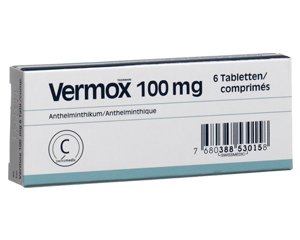
Intestinal worms are common and easily treated. Through Dr. Presc you complete a short online consultation that is reviewed by a registered EU doctor. If treatment is suitable, your prescription for mebendazole is approved and your medication is delivered discreetly to your door, without an in-person visit.
Effective against threadworm, roundworm, whipworm and hookworm
Online consultation reviewed by a registered EU doctor
Mebendazole works by blocking the worm's glucose uptake
Discreet, tracked delivery to your home
About Worm & Parasite Treatment
Understanding intestinal worm infections
Intestinal worms are parasites that live in the human gut. They are extremely common worldwide and are nothing to be ashamed of, as anyone can pick them up.
In the UK the most frequent type by far is threadworm (also called pinworm or Enterobius vermicularis), tiny white worms that resemble small pieces of cotton thread.
Other types include roundworm, whipworm and hookworm, which are more common in regions with warmer climates or after travel abroad.
Worms spread when microscopic eggs are swallowed, usually carried on hands, food, bedding or surfaces.
Once swallowed, the eggs hatch and the worms mature in the intestine, where the females lay further eggs and the cycle continues.
Children are affected most often because eggs pass easily between them in nurseries and schools, but adults in the same household are frequently infected too.
The good news is that worm infections are rarely dangerous and respond very well to a short course of medication combined with simple hygiene measures, so there is no need to worry once treatment is under way.
Recognising the symptoms
The classic sign of a threadworm infection is intense itching around the anus, which is typically worse at night when the female worms move to the skin to lay their eggs.
This itching can disturb sleep and lead to irritability and tiredness, especially in children. You may sometimes see the small white worms in the toilet or on bedding, or notice them in the stool.
Other intestinal worms can cause more general symptoms such as tummy pain, nausea, reduced appetite, weight loss or, with hookworm, tiredness linked to a low iron level.
In many people the infection causes few or no obvious symptoms at all, and it is only noticed when worms are seen.
Because the eggs spread so easily, it is common for several members of a household to be affected even if only one person has clear symptoms.
If you notice blood in the stool, severe abdominal pain, a high fever or significant weight loss, these are not typical of a simple worm infection and you should see a doctor in person.
How mebendazole treats worms
Mebendazole is an anthelmintic, a medicine designed to kill intestinal worms. It works by interfering with the way the worm absorbs glucose, its main source of energy.
Deprived of glucose, the worm gradually loses its energy reserves and dies, after which it passes naturally out of the body in the stool.
Mebendazole stays mainly inside the gut and very little is absorbed into the bloodstream, which is one reason it is generally well tolerated.
For threadworm the usual approach is a single dose, with a second dose taken about two weeks later to catch any worms that have hatched from eggs swallowed since the first dose, as the medicine does not kill the eggs themselves.
Because eggs spread so easily, doctors usually recommend treating the whole household at the same time, even those without symptoms.
For other types of worm the dosing may differ and your treatment will be tailored during the consultation. Side effects are uncommon and usually mild, such as brief stomach ache or wind.
Hygiene and preventing reinfection
Medication clears the worms already present, but good hygiene is just as important to break the cycle and stop reinfection, particularly with threadworm.
Wash your hands thoroughly with soap and water after using the toilet, after changing nappies and before preparing or eating food, and keep fingernails short and clean.
Threadworm eggs collect under the nails, so discourage nail-biting and thumb-sucking in children.
In the morning, wash around the bottom to remove any eggs laid overnight, and shower rather than bathe where possible.
On the day treatment starts, wash bed linen, nightwear, towels and soft toys at a hot temperature, and damp-dust or vacuum bedrooms to remove eggs from surfaces.
Avoid shaking bedding, which can scatter eggs into the air. Keep these measures going for around two weeks.
Because eggs are passed so readily between people living together, treating everyone in the home at once and following these steps together gives the best chance of clearing the infection for good.
Frequently Asked Questions
How do I know if I have worms?
Do I need a prescription for mebendazole?
Should my whole family be treated?
Why is a second dose recommended?
Are there any side effects?
Can I take it during pregnancy?
The medical information on this site is provided for educational purposes. It does not replace a face-to-face consultation with your GP or specialist. Always follow the advice of your prescribing doctor and read the patient information leaflet supplied with your medication.