
Bladder Treatments Prescribed by UK Doctors
Overactive bladder syndrome affects 12-17% of UK adults. Yet only one in four people seeks treatment. As a GP, I pair bladder training with the right medicine. Solifenacin 5 mg cuts urgency episodes by 50-60%. Mirabegron 50 mg works just as well, and it avoids the dry mouth and other anticholinergic effects that put people off antimuscarinic drugs.
Solifenacin 5-10 mg daily cuts urgency episodes by 50-60% and urge incontinence by 55-65% in clinical trials
Mirabegron 50 mg is a beta-3 agonist option that avoids the dry mouth and constipation seen in 30% of antimuscarinic users
NICE CG171 advises 6 weeks of bladder training as first-line, before or alongside medicines for OAB
Waking to pass urine more than 2 times a night needs a check for causes: fluid intake, BPH, diabetes, and heart failure
About Bladder & Urinary
Understanding Overactive Bladder Syndrome
Overactive bladder (OAB) is a set of symptoms. The International Continence Society defines it as a sudden need to pass urine. Doctors call this urgency.
It usually comes with frequency (more than 8 voids per day). It also comes with nocturia, which means waking once or more a night to pass urine. You may or may not leak when the urge hits.
To count as OAB, there must be no urine infection or other clear cause.
OAB affects 12-17% of UK adults. It becomes more common with age. It affects 30% of people over 65 and 40% of people over 75. It harms quality of life as much as diabetes does.
It also links to more falls. Older people who rush to the toilet have double the risk. It links to depression, social isolation, and broken sleep too.
Pathophysiology has several causes:
- Detrusor overactivity: the bladder muscle squeezes on its own while the bladder fills. This is driven by muscarinic M3 receptor activation.
- Urothelial dysfunction: the bladder lining sends faulty sensory signals. It does this by releasing ATP and acetylcholine.
- Central nervous system changes: the brain holds back the urge to void less well. This happens more in nerve conditions like MS, Parkinson's, and stroke.
- Age-related changes: the bladder stretches less and holds less. The timing of the hormone ADH also shifts. This shift leads to more urine made at night (nocturnal polyuria).
OAB subtypes:
- OAB wet: urgency with leaking (about one-third of OAB patients)
- OAB dry: urgency and frequency without leaking (two-thirds of patients)
Differential diagnosis must rule out:
- Urine infection (MSU dipstick and culture)
- Bladder cancer: painless blood in the urine in people over 45 needs an urgent 2-week pathway referral for cystoscopy
- Bladder outlet obstruction (BPH in men): a post-void residual ultrasound above 100 mL points to a bladder that does not empty fully
- Diabetes mellitus and diabetes insipidus, which pull extra water into the urine
- Drinking too much fluid (above 2.5 litres daily)
- Medicines: diuretics, lithium, SSRIs, cholinesterase inhibitors
A 3-day bladder diary is the single most useful test. It records fluid intake, void volumes, frequency, urgency episodes, and leaks. It gives clear data to help choose a treatment.
Pharmacological Treatment Options
Medicines for OAB follow NICE CG171 guidelines. You start them when bladder training alone does not control symptoms well enough.
Two drug groups are first-line: antimuscarinics and beta-3 adrenoceptor agonists.
Antimuscarinic agents block muscarinic M3 receptors on the bladder muscle. This calms the unwanted contractions and lets the bladder hold more.
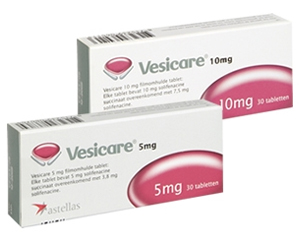
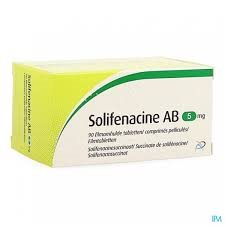
Solifenacin 5-10 mg daily is the most widely prescribed antimuscarinic for OAB. It targets M3 receptors fairly selectively.
So it balances benefit against side effects better than non-selective drugs. The STAR trial (solifenacin vs tolterodine) showed it cut urgency more and led to fewer pad changes.
Solifenacin 5 mg cuts urgency episodes by 52%, frequency by 2.2 voids/day, and leaks by 55%.
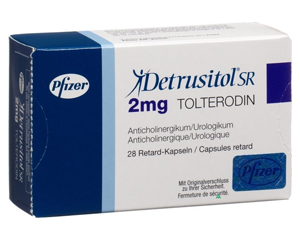
Tolterodine 4 mg modified-release daily is an older option. It works reasonably well but causes more dry mouth (18-24%). Oxybutynin 5 mg two to three times daily works very well.
But its anticholinergic side effects limit its use (dry mouth 60-70%, constipation 15%, blurred vision 5%). Oxybutynin patches (3.9 mg, changed twice weekly) deliver the medicine through the skin.
This skips first-pass metabolism in the liver and causes fewer gut side effects.
Mirabegron 50 mg daily is a beta-3 adrenoceptor agonist. It works in a completely different way. It relaxes the bladder muscle as it fills by switching on beta-3 receptors.
This lets the bladder hold more without blocking muscarinic receptors. The SCORPIO and ARIES trials showed it works as well as antimuscarinics but with far fewer anticholinergic side effects.
Mirabegron advantages:
- No dry mouth (reported in only 3% vs 8-24% with antimuscarinics)
- No constipation
- No effect on thinking (a key plus in older patients)
- Can be combined with solifenacin when one drug alone is not enough (SYNERGY trial)
Prescribing considerations:
- NICE advises offering a choice of antimuscarinic or mirabegron. Talk through the side effects to help the patient decide.
- Try a drug for at least 4-8 weeks before judging how well it works.
- If one antimuscarinic is not tolerated, switch to another one or to mirabegron rather than giving up on medicines.
- Use antimuscarinics with great care in older patients (over 65), because they raise the risk of decline in thinking. The MHRA has flagged the build-up of anticholinergic effects.
Anticholinergic Risks and Monitoring
Anticholinergic medicines are among the most prescribed drug groups in the UK. Their combined effect has become a major patient safety concern, above all in older adults.
The anticholinergic burden is the total anticholinergic effect from all the medicines a patient takes.
Beyond OAB drugs, common sources include tricyclic antidepressants (amitriptyline), first-generation antihistamines (chlorphenamine), antipsychotics, and antispasmodics (hyoscine).
Tools like the ACB (Anticholinergic Cognitive Burden) scale and the DART (Drug Burden Index) measure this total load.
Cognitive effects: A landmark study in JAMA Internal Medicine (2015) looked at 3,434 participants. It found that anticholinergic use built up over 10 years.
This was linked to a 54% higher risk of dementia. The risk rose with the dose. A higher total amount meant a higher risk.
So NICE and the MHRA advise against anticholinergic OAB drugs in patients who already have memory problems or dementia. They advise great care in those over 65.
Peripheral anticholinergic side effects and why they matter:
- Dry mouth (20-60% depending on the drug): raises the risk of tooth decay, harms nutrition, and makes people less likely to keep taking the medicine
- Constipation (10-20%): can worsen existing gut conditions and add to opioid effects
- Blurred vision (5-10%): a real problem for older patients, as it raises the risk of falls
- Urinary retention (a paradox in OAB treatment): check post-void residual if new hesitancy starts
- Tachycardia: avoid in uncontrolled heart rhythm problems
Mirabegron as the preferred agent in older patients:
- No anticholinergic risk to thinking
- Main caution: it can raise blood pressure by 1-2 mmHg, so check BP at the start and at 4-8 weeks. Do not use it in severe uncontrolled high blood pressure (above 180/110).
- QT prolongation: take care alongside other QT-prolonging drugs
Monitoring recommendations:
- Review the anticholinergic burden at least once a year using a validated scale
- Check post-void residual volume if voiding symptoms start on antimuscarinic therapy
- Assess thinking (MoCA or similar) in patients over 65 before starting antimuscarinics
- Consider stopping antimuscarinics and switching to mirabegron if concerns about thinking appear
- Review the need for ongoing medicine regularly, as OAB symptoms come and go and may ease with steady bladder training
Bladder Training and Lifestyle Measures
Behavioural measures are NICE first-line for OAB. They bring lasting gains that hold up well after the programme ends.
A supervised 6-week bladder training programme cuts urgency and frequency by 50-80% in motivated patients.
Bladder retraining breaks the learned habit of voiding the moment urgency strikes. The plan is:
- Void by the clock at slowly longer gaps (start at your current average gap, for example every 1.5 hours)
- Add 15-30 minutes to the gap each week, aiming for voiding every 3-4 hours
- When urgency hits between scheduled voids, use urgency suppression techniques:
- Sit down and press firmly on the perineum (this triggers the pudendal nerve to calm the bladder)
- Do 5-6 quick pelvic floor squeezes ("quick flicks") to reflexively quiet the bladder muscle
- Distract yourself: count back from 100 in 7s, or do a task that needs focus
- Breathe slowly and calmly, because anxiety makes urgency feel stronger
Pelvic floor muscle training (PFMT) strengthens the muscles that support the urethral sphincter. A Cochrane review confirms PFMT cuts leaks by 50-70% in women with stress or mixed incontinence.
In OAB itself, a pelvic floor squeeze you do on purpose calms the bladder muscle through a spinal reflex.
PFMT protocol: 8-12 near-maximal squeezes, each held for 6-8 seconds, done 3 times a day for at least 3 months.
Fluid management:
- A total daily intake of 1.5-2.0 litres is best, as neither cutting back nor drinking too much helps
- Drink less in the evening after 6 PM to cut down on night-time voiding
- Limit bladder irritants: caffeine (it cuts bladder capacity by 15-20%), alcohol, fizzy drinks, artificial sweeteners, and acidic fruit juices
- A 3-day bladder diary clearly shows how fluid patterns affect symptom severity
Weight management: Each one-point rise in BMI raises OAB risk by 3-5%. Losing 5-10% of body weight cuts leaks by 50-60% in overweight women, as the PRIDE trial showed.
Constipation management: A full rectum presses on the bladder and makes urgency and frequency worse. Enough fibre (30 g/day), good hydration, and regular bowel habits ease OAB symptoms.
Treat ongoing constipation alongside the bladder symptoms.
Frequently Asked Questions
What is the difference between solifenacin and mirabegron?
How long before bladder medication works?
Can bladder training alone resolve OAB?
Why do I wake up to urinate so often?
Are anticholinergic bladder drugs safe for elderly patients?
What if medication does not control my symptoms?
The medical information on this site is provided for educational purposes. It does not replace a face-to-face consultation with your GP or specialist. Always follow the advice of your prescribing doctor and read the patient information leaflet supplied with your medication.