
Premature Ejaculation Treatment from UK-Registered Doctors
Premature ejaculation affects about 30% of men at some point. That makes it the most common male sexual problem. As a GP, I find that most men live with it for years before they ask for help. Dapoxetine is the only MHRA-approved on-demand treatment for PE. It makes you last 3 to 4 times longer before you ejaculate. The best results come from mixing behavioural techniques with medicine.
Dapoxetine 30 mg, taken 1-3 hours before sex, makes you last 2.5 to 3 times longer on average
Studies show 20-30% of men aged 18-70 have PE regularly, across all groups
Behavioural techniques like the stop-start and squeeze methods improve control in 60-90% of men
Topical anaesthetic sprays with lidocaine/prilocaine offer a treatment that does not enter the bloodstream
About Premature Ejaculation
Understanding Premature Ejaculation
The International Society for Sexual Medicine defines premature ejaculation in a clear way.
It is ejaculation that almost always happens within about one minute of vaginal penetration (lifelong PE), or within about three minutes (acquired PE).
You also cannot delay it, and it causes problems such as distress or avoiding sex.
There are two main types. Lifelong (primary) PE has been there since your first sexual experiences.
It is thought to have a strong neurobiological basis, meaning it links to how the body and nerves are wired. It involves changes in how serotonin receptors work in the ejaculation pathway.
Men with lifelong PE usually ejaculate within 30-60 seconds of penetration. Acquired (secondary) PE starts later, after a period of normal control.
It can be triggered by stress, relationship changes, an inflamed prostate, thyroid problems, or new erection difficulties.
Surveys consistently find that 20-30% of men have PE. This makes it the most common male sexual problem in the world. Yet fewer than 10% of these men seek treatment.
Most stay quiet out of embarrassment, or because they wrongly believe nothing can help.
The ejaculation reflex is controlled by a generator in the spinal cord. Serotonin pathways coming down from the brainstem help to modulate it.
In lifelong PE, low serotonin activity at the 5-HT2C receptor and oversensitivity at the 5-HT1A receptor seem to play a part.
This is why selective serotonin reuptake inhibitors work well as treatments.
Risk factors and links include:
- Anxiety and depression (odds ratio 2.5-3.0)
- Erectile dysfunction at the same time (40% of men with ED also report PE)
- Prostatitis (chronic pelvic pain syndrome)
- Hyperthyroidism (treating the thyroid improves PE in 50% of cases)
- Having sex less often
Pharmacological Treatments for PE
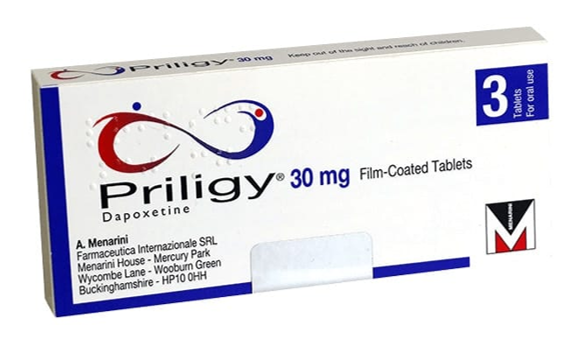
Dapoxetine (Priligy) is the only medicine made and MHRA-licensed for on-demand treatment of premature ejaculation.
It is a short-acting selective serotonin reuptake inhibitor (SSRI), a type of medicine that raises serotonin levels. It starts working fast (Tmax 1-2 hours) and leaves the body quickly (half-life 1.
4 hours). This is why you take it only when you need it, not every day.
The usual starting dose is 30 mg, taken 1-3 hours before you expect to have sex. If it does not work well enough and you tolerate it, the dose can go up to 60 mg.
Clinical trials show that dapoxetine 30 mg raises the mean intravaginal ejaculatory latency time (IELT), the time from penetration to ejaculation, from a baseline of 0.9 minutes to 3.0 minutes.
The 60 mg dose extends it to 3.5 minutes. About 70% of users feel more in control of when they ejaculate.
Common side effects include nausea (11-22%), dizziness (5-11%), headache (6-9%), and diarrhoea (3-7%). These are usually mild and fade with continued use.
An orthostatic hypotension test, which checks your blood pressure when you stand up, is advised before prescribing.
Patients should be warned about feeling dizzy on standing and told to drink plenty of water.
Off-label SSRIs can also help. These are paroxetine (20 mg daily), sertraline (50-100 mg daily), and fluoxetine (20-40 mg daily).
Taken every day rather than on demand, they raise IELT more (an 8-12 fold increase with paroxetine).
But you must take them daily, and they bring broader SSRI side effects such as lower libido and weight gain.
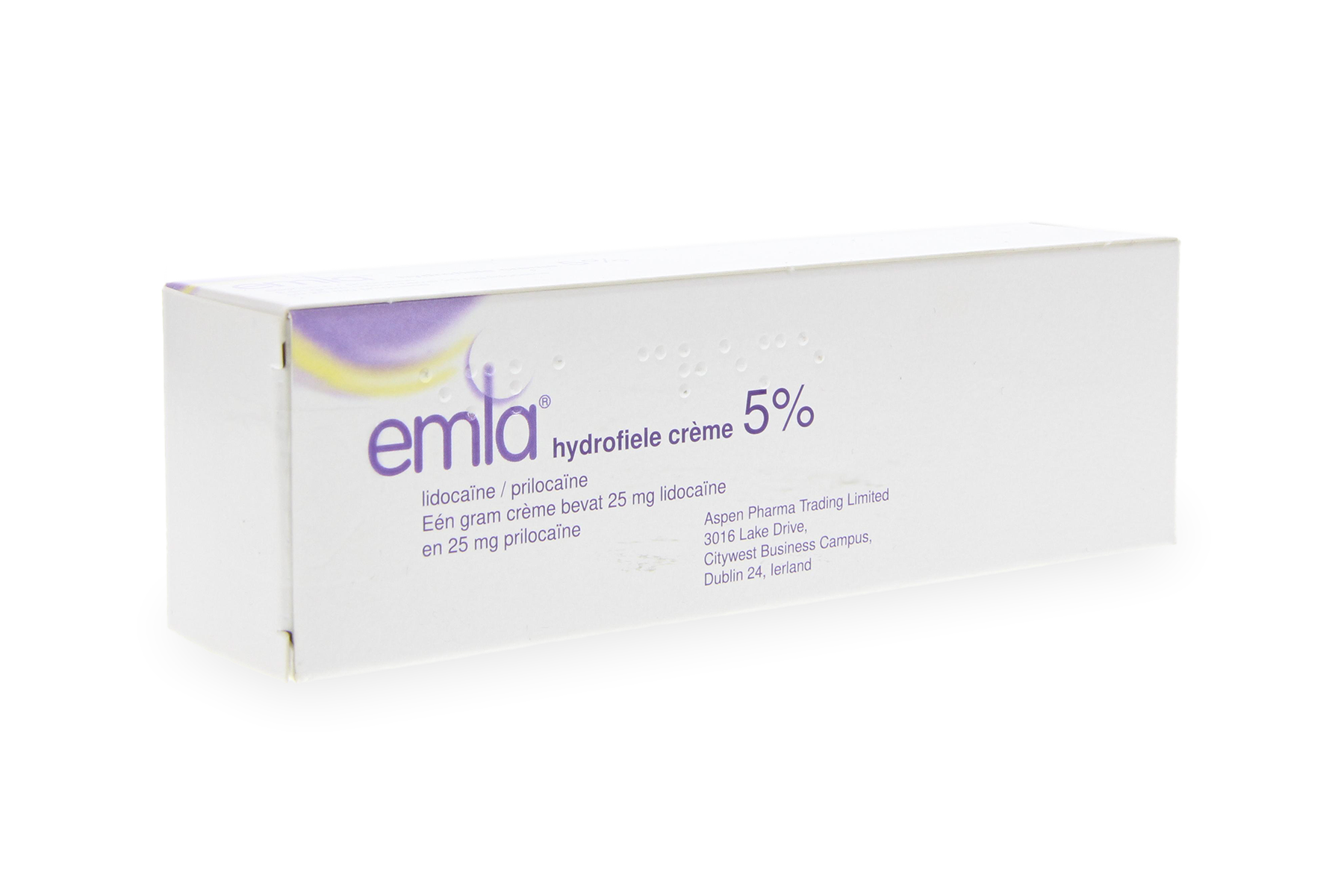
Topical anaesthetics offer an option that does not enter the bloodstream. Lidocaine-prilocaine spray (Fortacin/EMLA) is applied to the glans, the head of the penis, 5 minutes before sex.
It reduces sensitivity and extends IELT by 6-8 fold in clinical studies. Using a condom is advised so it does not transfer to your partner.
Tramadol 50 mg on demand has worked in several trials. But it carries a risk of addiction, so UK practice does not routinely recommend it.
Behavioural and Psychological Approaches
Behavioural techniques have treated PE since Masters and Johnson published their landmark work in 1970. Medicine works faster, but behavioural methods build lasting control skills.
They also tackle the psychological side of the condition.
The stop-start technique works like this. You stimulate the penis until you are about to ejaculate, then stop until the arousal calms down.
You repeat the cycle 3-4 times before allowing ejaculation. Done regularly over 4-8 weeks, this trains the nervous system to handle higher arousal without setting off the ejaculation reflex.
The squeeze technique adds a step. At the point of near-ejaculation, you squeeze the glans or frenulum by hand, which quickly lowers arousal.
You can practise both techniques during masturbation first, then bring them into sex with a partner.
Cognitive behavioural therapy (CBT) tackles the anxiety, worst-case thinking, and performance pressure that keep PE going. A typical programme runs 8-12 sessions.
It has shown lasting improvement in 60% of men at 12-month follow-up.
- Spotting and challenging negative automatic thoughts about sexual performance
- Gradual exposure to sexual situations that cause anxiety
- Mindfulness-based arousal awareness training
- Communication skills for talking about sexual needs with a partner
Combination therapy, meaning medicine plus behavioural work, consistently beats either one on its own.
A randomised controlled trial in the Journal of Urology found that dapoxetine plus behavioural treatment gave a 5.7-fold IELT increase, against 3.2-fold with dapoxetine alone.
Pelvic floor rehabilitation is a newer approach. Strengthening the bulbocavernosus muscle through targeted exercises has helped in small studies.
In one, 82% of people gained better control after 12 weeks of physiotherapist-guided training.
Involving your partner clearly improves results. Couples-based therapy lowers performance anxiety, improves communication, and increases relationship satisfaction along with the sexual benefits.
Assessment and Diagnosis
An accurate diagnosis of PE starts with a detailed sexual history.
The clinician needs to find out how long the problem has lasted (lifelong versus acquired), the rough intravaginal ejaculatory latency time, how much control you feel, and how much distress it causes you and your partner.
The Premature Ejaculation Diagnostic Tool (PEDT) is a validated 5-item questionnaire that makes the assessment more consistent. A score of 11 or above points to PE with high accuracy.
The tool asks about how often premature ejaculation happens, your sense of control, distress, problems with your partner, and whether ejaculation comes with very little stimulation.
A physical examination mainly aims to rule out other conditions. A genital exam checks for phimosis, frenulum breve, or signs of prostatitis.
A digital rectal examination may be needed in men with acquired PE and lower urinary tract symptoms.
Investigations depend on what the clinician suspects:
- Thyroid function tests (TSH, free T4), since hyperthyroidism is found in 50% of men with acquired PE in some studies
- Prostate-specific antigen if prostatitis is suspected
- Testosterone levels if low libido or erectile dysfunction is also present
- Fasting glucose and HbA1c in men with vascular risk factors
The differential diagnosis, the list of conditions that can look similar, includes:
- Erectile dysfunction posing as PE (men rush to ejaculate before they lose their erection)
- Natural variation in ejaculation timing (an IELT of 3-7 minutes is within the normal range)
- Situational PE that happens only with certain partners or in specific situations
- Medication-induced delayed ejaculation that a partner sees as "normal"
A thorough assessment gets the diagnosis right and avoids needless treatment.
In acquired PE especially, treating the underlying cause (correcting the thyroid, treating prostatitis, managing ED) may fix the ejaculation problem without specific PE therapy.
When to Consult a Specialist
Most men with premature ejaculation can be managed well through primary care or an online prescribing service.
But some situations call for referral to a urologist or a psychosexual medicine specialist.
Referral is advisable when:
- PE continues despite proper trials of dapoxetine at 60 mg and behavioural therapy over 3-6 months
- Acquired PE comes with pelvic pain, urinary symptoms, or signs of prostatitis that need urological investigation
- There is major erectile dysfunction at the same time that complicates the picture
- Distress is severe, including depression, suicidal thoughts, or relationship breakdown that needs specialist psychosexual care
- The patient cannot take any of the standard medicines
Specialist centres can offer treatments that primary care cannot, including:
- Intracavernosal injections for combined ED-PE cases
- Selective dorsal neurectomy, surgery to reduce penile sensation, done rarely and only after all conservative options are exhausted
- Intensive psychosexual therapy programmes, usually 12-20 sessions
- Access to clinical trials for new treatments such as novel serotonergic agents
Self-help resources are worth using too. The British Association for Sexual Health and HIV (BASHH) and the Sexual Advice Association give evidence-based patient information.
Many men find that understanding the condition eases anxiety, which itself improves control.
Partners should be encouraged to come to consultations where possible. PE affects the couple, not just one person.
Working on it together gives the most lasting gains in both control and relationship satisfaction.
Treatment is usually reviewed after 4-6 weeks for medicines and 8-12 weeks for behavioural programmes. Dapoxetine has been studied for long-term use over two years.
It kept working, with no sign of tolerance or dependency.
Frequently Asked Questions
How long before sex should I take dapoxetine?
Is premature ejaculation psychological or physical?
Can numbing sprays help with premature ejaculation?
Will dapoxetine affect my ability to get an erection?
How common is premature ejaculation?
Can I buy dapoxetine over the counter in the UK?
The medical information on this site is provided for educational purposes. It does not replace a face-to-face consultation with your GP or specialist. Always follow the advice of your prescribing doctor and read the patient information leaflet supplied with your medication.