
Sleep and Anxiety Treatments from UK Doctors
Insomnia affects 30% of UK adults. Generalised anxiety disorder affects 5-6% of people at some point in life. As a GP, I try non-drug treatments first. CBT for insomnia (CBT-i), a talking therapy, gives lasting improvement in 70-80% of patients. Short-term sleeping pills like zopiclone help in an acute crisis. But they can cause dependence if you use them for more than 2-4 weeks in a row.
CBT for insomnia (CBT-i) is the NICE first-line treatment for chronic insomnia. It gives a lasting response in 70-80% of people at 12 months
Zopiclone 7.5 mg is prescribed for short-term use only, for 2-4 weeks maximum, because dependence develops quickly
NICE CG113 recommends SSRIs (sertraline 50-200 mg) as the first-choice medicine for generalised anxiety disorder
Benzodiazepine prescriptions should not last more than 2-4 weeks. Tolerance to the sleep effect develops within 14 days

About Sleep & Anxiety
Understanding Insomnia and Anxiety Disorders
Sleep and anxiety problems often go together. About 70-80% of people with generalised anxiety disorder also report insomnia.
Poor sleep over a long time can itself cause anxiety, because it overactivates the amygdala (the brain's fear centre). Understanding both problems helps us treat them together.
Insomnia means trouble falling asleep, staying asleep, or waking too early. Doctors define it as taking over 30 minutes to fall asleep, being awake for over 30 minutes at night, or waking early.
This must happen at least 3 nights a week for 3 months to count as chronic insomnia. It affects 10% of adults at the clinical diagnosis level, and 30% at a symptom level.
The Spielman 3P model explains why insomnia becomes long-lasting:
- Predisposing factors: a genetic tendency to be highly alert, an anxious nature
- Precipitating events: a stressful life event, illness, pain, a change in shift work
- Perpetuating behaviours: too much time in bed, daytime naps, clock-watching, caffeine, phone screens in bed
Generalised anxiety disorder (GAD) means constant, excessive worry about many things, such as health, money, relationships, and work. It lasts at least 6 months.
It comes with physical signs too: muscle tension, tiredness, irritability, poor concentration, and disturbed sleep. In the UK, 5-6% of people have it at some point in life.
Women are affected twice as often as men.
Other anxiety disorders we see in general practice include:
- Panic disorder: repeated, sudden panic attacks, with worry about the next one
- Social anxiety disorder: strong fear of social situations or performing
- Health anxiety: constant worry about having or getting a serious illness
- PTSD: this follows a traumatic event, with intrusive memories, avoidance, and being on edge
Red flags in sleep and anxiety that need urgent assessment:
- Thoughts of suicide or self-harm
- Psychotic features (paranoia, hallucinations)
- Severe impact on daily life (unable to work, care for yourself, or leave the house)
- Suspected obstructive sleep apnoea (loud snoring, witnessed pauses in breathing, very sleepy by day, BMI over 35)
Pharmacological Treatment Options
Medicine has a clear but short-term role in treating sleep and anxiety. NICE guidelines say medicine should support psychological and behavioural treatment, not replace it.
Short-term sleeping pills for acute insomnia:
- Zopiclone 7.5 mg (3.75 mg in older people) is the most commonly prescribed Z-drug. It boosts the activity of the GABA-A receptor, a brain target that calms nerve signals. This cuts the time to fall asleep by 15-20 minutes and adds 30-45 minutes of total sleep. It starts working in 15-30 minutes and has a half-life of 5 hours (the time for the body to clear half the dose). Common side effects are a metallic taste (30%), dry mouth, and drowsiness the next day. Tolerance to the sleep effect develops within 14 days.
- NICE CG191 limits sleeping pills to the lowest effective dose for the shortest time (2-4 weeks maximum). Using them now and then is preferred over every night, for example 3-4 nights a week.
Benzodiazepines (temazepam, diazepam, nitrazepam) are second-choice options.
They boost GABA in the same way but cause more dependence, last longer the next day, and raise the risk of falls in older people.
Diazepam has a half-life of 20-100 hours (counting its active breakdown products). This makes it a poor choice for nightly use.
SSRIs for anxiety disorders:
- Sertraline 50-200 mg a day is the NICE first choice for GAD, panic disorder, social anxiety, and PTSD (CG113, CG159). The calming effect takes 2-6 weeks to build. Anxiety often gets worse in the first 1-2 weeks. You can ease this by starting at 25 mg for 7 days.
- Escitalopram 10-20 mg and paroxetine 20-50 mg are alternatives if sertraline does not suit you.
SNRIs: Venlafaxine 75-225 mg and duloxetine 60-120 mg are second-choice for GAD when SSRIs do not work. Venlafaxine can raise blood pressure in a dose-related way, so this needs monitoring.
Pregabalin 150-600 mg a day is licensed for GAD. It calms anxiety within 1 week, faster than SSRIs. But NICE removed it as a first choice because of new data on dependence and misuse.
The MHRA reclassified pregabalin as a Schedule 3 controlled drug in 2019.
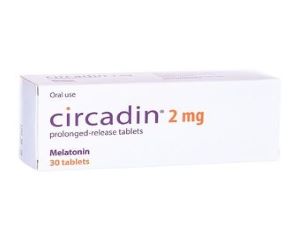
Melatonin prolonged-release 2 mg (Circadin) is licensed for insomnia in adults over 55, for up to 13 weeks. The benefit is modest, cutting the time to fall asleep by 9-12 minutes.
It has very few side effects and no risk of dependence.
CBT for Insomnia and Anxiety
Cognitive behavioural therapy is the most effective long-term treatment for both chronic insomnia and anxiety disorders. NICE recommends CBT as the first choice, ahead of medicine.
That is because it gives lasting improvement without the dependence, tolerance, and withdrawal that come with medicine.
CBT for insomnia (CBT-i) is a structured programme of 4-8 sessions. It targets the thoughts and behaviours that keep insomnia going. It includes:
Sleep restriction therapy: This limits time in bed to match how long you actually sleep. For example, someone who sleeps 5.5 hours stays in bed for 6 hours. This builds up your sleep drive.
It also stops the long stretches of lying awake that teach your brain to link the bed with being alert.
As your sleep efficiency (sleep time divided by time in bed) passes 85%, you slowly add more time in bed.
Stimulus control: Use the bed only for sleep and sex. Leave the bedroom if you cannot sleep within 15-20 minutes. Go back only when sleepy. Keep the same wake time no matter how you slept.
This breaks the learned link between bed and being alert.
Cognitive restructuring: This means spotting and challenging catastrophic thoughts about sleep, such as "If I don't sleep tonight, I won't function tomorrow". These thoughts fuel arousal.
You replace them with realistic ones, such as "One poor night cuts my performance by 5-10%, not 100%".
Relaxation training: Techniques like progressive muscle relaxation, deep belly breathing, and the body scan lower physical arousal at bedtime.
The evidence for CBT-i is strong. A review of 20 randomised trials found that CBT-i cuts the time to fall asleep by 19 minutes and time awake during the night by 26 minutes.
These gains last at 12-month follow-up, unlike medicine, where the benefit stops once you stop taking it. The number needed to treat is 2.7 for a clinically meaningful improvement.
CBT for anxiety targets the distorted thoughts (catastrophising, overestimating risk, not coping with uncertainty) and the avoidance that keep the anxiety cycle going.
NICE recommends 12-16 sessions of high-intensity CBT for GAD. You can access this through NHS IAPT services or private therapists.
Digital CBT-i programmes (Sleepio, Sleepstation) are recommended by NICE. They are available on NHS prescription in many areas. They give an easy alternative to face-to-face therapy.
Sleep Hygiene and Lifestyle Strategies
Sleep hygiene means the surroundings and habits that help you sleep well and consistently. On its own, sleep hygiene is not enough for chronic insomnia. It is needed but not sufficient.
Combined with CBT-i and the right medicine, it forms the base for long-term improvement.
Core sleep hygiene principles:
- Keep the same wake and sleep times 7 days a week. Your body clock does not know it is the weekend. A weekend lie-in of 2 or more hours, called social jet lag, disrupts your sleep on Monday and Tuesday.
- Use the bedroom only for sleep and intimacy. Remove TVs, laptops, and work things.
- Keep the bedroom dark (blackout blinds or an eye mask), quiet (earplugs or a white noise machine), and cool. About 16-18 degrees Celsius is best for falling asleep.
Caffeine: Caffeine has a half-life of 5-6 hours. But some people clear it slowly because of differences in the CYP1A2 enzyme, so it can linger for 9-12 hours.
A sensible cut-off of 2:00 PM for the last caffeinated drink suits most people. Watch for hidden caffeine in green tea (35 mg), dark chocolate (20-60 mg per 100 g), and pre-workout supplements.
Alcohol and sleep: Alcohol makes you drowsy at first, but it breaks up your sleep. It cuts REM sleep in the first half of the night and causes rebound waking in the second half.
More than 2 units within 4 hours of bedtime measurably worsens sleep quality.
Screen exposure: Blue light (460-480 nm wavelength) from phones, tablets, and laptops cuts melatonin by 50% when you use them within 2 hours of bedtime.
Night mode filters reduce this but do not remove it. The content you view, such as social media or news, also revs up the mind.
Exercise timing: Regular exercise improves sleep quality. A review shows it cuts the time to fall asleep by 13 minutes.
But hard exercise within 2-3 hours of bedtime can raise body temperature and cortisol, which delays sleep. Morning or afternoon exercise is best for sleep.
Anxiety-specific lifestyle measures:
- Set aside a worry time of 15-20 minutes in the early evening to write down your concerns and plans. This stops worry breaking in at bedtime
- Mindfulness meditation for 10-20 minutes a day cuts GAD symptom severity by 30-40% in controlled trials
- Regular physical activity is as effective as sertraline for mild to moderate anxiety in reviews
Frequently Asked Questions
Is zopiclone addictive?
How long does CBT-i take to work?
Can I take melatonin for sleep?
Will sertraline help me sleep better?
What is the safest long-term anxiety medication?
Can anxiety cause physical symptoms?
The medical information on this site is provided for educational purposes. It does not replace a face-to-face consultation with your GP or specialist. Always follow the advice of your prescribing doctor and read the patient information leaflet supplied with your medication.