
Travel Health Treatments from UK-Registered Doctors
More than 1,700 cases of imported malaria are reported in the UK each year. Around 5-10 of these are fatal. As a GP, I prescribe prophylaxis (preventive medicine) to match your destination, following PHE guidelines. For most trips to sub-Saharan Africa and Southeast Asia, atovaquone-proguanil (Malarone) is still the first choice. Start the right course before you leave and finish it after you return. This prevents 95% of Plasmodium falciparum infections.
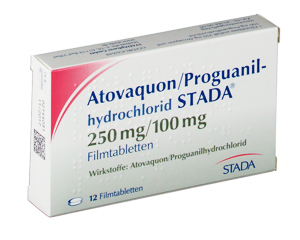
Start atovaquone-proguanil (Malarone) 1-2 days before travel. Keep taking it for 7 days after you leave the malaria zone
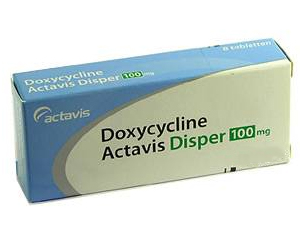
Doxycycline 100 mg daily is a cheaper alternative. Start it 1-2 days before travel and continue for 4 weeks after you return
Acetazolamide 250 mg twice daily, from 1 day before you climb, prevents acute mountain sickness in 75-85% of climbers
NICE and PHE advise you to check country-specific malaria risk maps, because resistance patterns change every year
About Travel Health
Pre-Travel Health Assessment
Ideally, have your pre-travel health consultation 6-8 weeks before you leave. This gives time for vaccine courses and a trial of any preventive medicine.
The assessment looks at the risks at your destination, your medical history, and the activities you plan to do.
Malaria risk assessment uses the UK Health Security Agency (UKHSA, formerly PHE) guidelines. These provide risk maps for each country and region, updated every year. The key facts are:
- Malaria spreads through female Anopheles mosquitoes, which are active between dusk and dawn
- Plasmodium falciparum (the main type in Africa) causes 95% of malaria deaths. It can move from first symptoms to death within 48 hours
- P. vivax and P. ovale cause relapsing malaria, because the parasite lies dormant in the liver (hypnozoites). These types are most common in South Asia and Central America
- Risk varies hugely by region. Rural sub-Saharan Africa carries 10-100x the risk of urban Southeast Asia
Altitude illness affects 25-50% of travellers who go above 2,500 metres. Acute mountain sickness (AMS) causes headache, nausea, fatigue, and dizziness.
High-altitude pulmonary oedema (HAPE) and high-altitude cerebral oedema (HACE) are life-threatening. They tend to occur above 3,500-4,000 metres.
Traveller's diarrhoea affects 20-60% of travellers to low- and middle-income countries. Bacteria are the main cause (E. coli, Campylobacter, Salmonella).
For high-risk destinations, your prescriber may give you a stand-by antibiotic (azithromycin or ciprofloxacin) to carry.
Your pre-travel checklist:
- Review your vaccinations: hepatitis A, typhoid, yellow fever (required for some countries), rabies (for long rural trips), Japanese encephalitis, meningococcal ACWY
- Decide if you need malaria prophylaxis, based on your exact itinerary
- Discuss sun protection, how to avoid insect bites, and food and water hygiene
- Review your current medicines. Some make your skin sensitive to sunlight (doxycycline, amiodarone). Others interact with preventive drugs
- Make sure your travel insurance covers medical repatriation (being brought home)
- If you have a chronic condition (diabetes, heart disease, a weakened immune system), you need a tailored risk assessment
Malaria Prophylaxis Options
UKHSA recommends three preventive antimalarial regimens for UK travellers.
Which one suits you depends on the resistance profile at your destination, how long you travel, your other health conditions, and how well you tolerate the drug.
Atovaquone-proguanil (Malarone) is the most widely prescribed option for short and medium trips. Each tablet contains atovaquone 250 mg and proguanil hydrochloride 100 mg.
It attacks the parasite's energy production (mitochondrial electron transport chain) and its folate metabolism.
- Dose: 1 tablet daily. Start 1-2 days before you enter the malaria zone, take it daily throughout, and continue for 7 days after you leave
- Advantages: a short tail period (7 days versus 4 weeks), very well tolerated (side effects in under 5%), and effective against P. falciparum, including chloroquine-resistant strains
- Disadvantages: cost (about £2-3 per tablet), and you must take it with food so your body absorbs it well
- Should not be used in: severe kidney problems (eGFR below 30) or pregnancy (limited data)
Doxycycline 100 mg daily is a cheaper alternative, at about £0.10-0.20 per capsule.
- Dose: 1 capsule daily. Start 1-2 days before you enter the malaria zone, and continue for 4 weeks after you leave
- Advantages: very low cost, extra protection against rickettsial infections and leptospirosis, and some evidence it improves acne
- Disadvantages: the 4-week tail period makes people less likely to finish the course. It makes skin sensitive to sunlight (use SPF 30+ sunscreen). It can irritate the gullet, so take it with a full glass of water and stay upright for 30 minutes. It causes vaginal thrush (candidiasis) in 5-10% of women
- Should not be used in: pregnancy, breastfeeding, children under 12, or severe liver problems
Mefloquine (Lariam) 250 mg weekly is kept for long trips where taking a tablet every day is not practical.
- Dose: 1 tablet weekly. Start 2-3 weeks before travel, so you can check how you tolerate it, and continue for 4 weeks after you return
- Advantages: weekly dosing suits long trips, and it is safe in pregnancy after the first trimester
- Disadvantages: it can cause mental and nervous system side effects (vivid dreams, anxiety, depression, psychosis) in 5-25% of people, at varying severity. The MHRA requires screening for any history of psychiatric illness. It is not advised for pilots, divers, or anyone who needs fine motor control
- Should not be used in: a history of depression, anxiety, psychosis, epilepsy, or heart conduction disorders
Chloroquine and proguanil together are now rarely used. This is because P. falciparum has become widely resistant across Africa and Southeast Asia.
The combination still works for Central America north of the Panama Canal and parts of the Middle East.
Altitude Sickness Prevention
Acute mountain sickness (AMS) is caused by low oxygen pressure (hypobaric hypoxia) above 2,500 metres. The partial pressure of oxygen falls from 21.2 kPa at sea level to 14.5 kPa at 3,500 m and 10.
5 kPa at 5,500 m. Your body tries to cope by breathing faster, pumping more blood, and making more red cells (driven by erythropoietin). These changes take 3-5 days to build up properly.
Acute mountain sickness affects 25% of travellers at 2,500 m and 50% at 4,000 m. The Lake Louise AMS score measures how bad it is, using headache, gut symptoms, fatigue, and dizziness.
Symptoms usually start 6-12 hours after you climb, and ease as you acclimatise over 24-48 hours.
High-altitude pulmonary oedema (HAPE) occurs in 1-2% of people who go above 4,000 m.
It causes breathlessness at rest, a lasting cough (dry at first, then with frothy pink sputum), and a blue tinge to the skin (cyanosis). Untreated, more than 40% of cases are fatal.
The main treatment is to descend at once, by at least 500-1,000 m.
High-altitude cerebral oedema (HACE) is rare (0.5-1%) but quickly fatal without treatment. It causes loss of balance (ataxia), confusion, drowsiness, and coma.
Dexamethasone 8 mg at once, then 4 mg every 6 hours, buys time until you can descend.
Acetazolamide (Diamox) is the standard preventive medicine:
- Dose: 250 mg twice daily. Start 1 day before you climb, and continue until you have spent 2-3 days at your highest altitude (or you start to descend)
- How it works: it blocks the enzyme carbonic anhydrase, which makes the blood slightly more acidic. This drives you to breathe more and raises your oxygen levels during sleep, when irregular breathing at altitude is worst
- How well it works: it cuts AMS by 75-85% in controlled trials
- Side effects: tingling in the fingers and lips (this happens to everyone at treatment doses and is harmless), passing more urine, a changed taste of fizzy drinks, and rare cross-reaction in people with sulfonamide allergy
- Should not be used in: sulfonamide allergy (this is debated, as cross-reaction is rare with carbonic anhydrase inhibitors, but be cautious)
How to climb to reduce altitude illness:
- Above 3,000 m, raise your sleeping altitude by no more than 300-500 m per day
- Take a rest day, with no net gain in altitude, every 3-4 days
- Drink enough fluid (3-4 litres per day), as dehydration makes AMS worse
- Avoid alcohol and sedatives during the first 48 hours at altitude
- "Climb high, sleep low": go up during the day, but come down to sleep at a lower camp
Bite Prevention and Travel Hygiene
Non-drug measures cut your malaria risk by 50-90%. They also protect against other diseases spread by insects (dengue, Zika, chikungunya), which have no preventive medicine.
Mosquito bite prevention (the ABCD approach):
- Awareness of the risk: malaria-carrying Anopheles mosquitoes bite between dusk and dawn, while dengue-carrying Aedes bite during the day
- Bite avoidance: DEET-based repellents (30-50% strength) are the gold standard. Put them on exposed skin every 4-6 hours. PMD (citriodiol) is a plant-based option that works moderately well. Clothing treated with permethrin adds protection, and a factory-treated shirt keeps working through 70 washes
- Chemoprophylaxis: take your antimalarial tablets as prescribed
- Diagnosis: seek urgent medical help for any fever that occurs up to 12 months after you return from a malaria area
Insecticide-treated bed nets cut malaria spread by 50%. They are essential in rural areas where the accommodation has no air conditioning.
Tuck the net under the mattress with no gaps, and make sure it is treated with permethrin or deltamethrin.
Food and water hygiene to prevent traveller's diarrhoea:
- Drink only bottled, boiled, or chemically treated water
- Avoid ice in drinks, unless it is made from purified water
- Eat freshly cooked, piping-hot food. Avoid buffets that have stood at room temperature
- Peel all fruit yourself, and avoid ready-made salads
- "Boil it, cook it, peel it, or forget it" is still useful advice
Stand-by treatment for traveller's diarrhoea:
- Oral rehydration salts replace lost fluid and salts
- Loperamide 4 mg at first, then 2 mg after each loose stool (up to 16 mg per day), eases symptoms for diarrhoea that has no blood or fever
- Azithromycin 500 mg as a single dose (or a 3-day course for severe cases) covers most bacteria, including the fluoroquinolone-resistant Campylobacter that is common in Southeast Asia
Deep vein thrombosis (DVT) prevention for flights over 4 hours:
- Move around regularly during the flight (choose an aisle seat if you can)
- Compression stockings cut DVT risk 12-fold in controlled trials
- Drink enough fluid, and avoid too much alcohol and caffeine
- High-risk patients (a past blood clot, recent surgery, active cancer) may benefit from a single preventive dose of low-molecular-weight heparin
Frequently Asked Questions
When should I start taking malaria tablets?
Is Malarone better than doxycycline?
Do I need malaria tablets for Thailand?
Can I take acetazolamide if I have asthma?
What should I do if I get a fever after returning from Africa?
How do I prevent traveller's diarrhoea?
The medical information on this site is provided for educational purposes. It does not replace a face-to-face consultation with your GP or specialist. Always follow the advice of your prescribing doctor and read the patient information leaflet supplied with your medication.