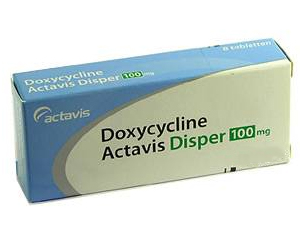
Doxycycline (Malaria)
Incl. online consultation, medicine and discreet delivery
View Options
The medical information on this site is provided for educational purposes. It does not replace a face-to-face consultation with your GP or specialist. Always follow the advice of your prescribing doctor and read the patient information leaflet supplied with your medication.
Choose Your Medicine
Select dosage and quantity
Online Consultation
Reviewed by a qualified physician
Fast, Discreet Delivery
Delivered to your door
Medical Information
About This Medicine
Doxycycline is a tetracycline antibiotic used as chemoprophylaxis against malaria in travellers visiting endemic regions.
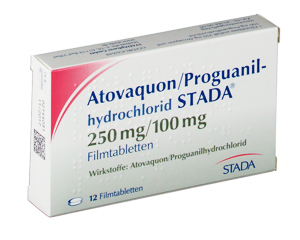
It is active against Plasmodium falciparum, including strains resistant to chloroquine and mefloquine, and is one of the three main antimalarial prophylaxis options alongside atovaquone-proguanil and mefloquine.
Doxycycline inhibits protein synthesis in the malaria parasite by binding to the 30S ribosomal subunit.
At the prophylactic dose it does not kill parasites in the liver (causal prophylaxis) but acts on the blood-stage schizonts, preventing clinical disease.
Choosing Doxycycline for Malaria Prevention
Doxycycline is often chosen for its affordability and good tolerability.
It is especially useful for last-minute travellers because the course starts only one to two days before entering the risk area, unlike mefloquine which must be started weeks ahead.
It also offers partial protection against travellers' diarrhoea and some rickettsial infections.
The main limitations are the requirement for daily dosing and photosensitivity. Travellers to sunny destinations should take sun protection seriously.
Usage & Dosage
Taking Doxycycline for Malaria Prevention
Swallow one capsule daily with a full glass of water. Take it with food or a glass of milk to minimise stomach irritation.
Do not lie down for at least 30 minutes after swallowing the capsule, as this can cause oesophageal irritation.
Timing
- Start one to two days before entering the malaria area
- Continue every day throughout the stay
- Continue for four weeks after leaving the risk zone
Sun Protection
Doxycycline increases sensitivity to ultraviolet light. Wear high-SPF sunscreen, protective clothing, and avoid prolonged direct sun exposure. This applies for the full duration of treatment.
Adults and Children Over 12 Years (weighing 45 kg or more)
- 100 mg once daily
Children (8-12 years, under 45 kg)
- Dosing is weight-based; consult the prescriber
Duration
- Begin 1-2 days before travel
- Continue daily during the stay
- Continue for 28 days after leaving the malaria area
Do not use doxycycline for malaria prophylaxis in children under 8 years or in pregnancy.
Side Effects
Common (up to 1 in 10 patients)
- Nausea, abdominal discomfort, or diarrhoea
- Photosensitivity - exaggerated sunburn even with moderate sun exposure
- Oesophageal irritation or heartburn if the capsule is not taken with enough water
Uncommon (up to 1 in 100 patients)
- Vaginal thrush (candidiasis) from disruption of normal flora
- Headache
- Skin rash
Rare (up to 1 in 1,000 patients)
- Severe oesophageal ulceration
- Benign intracranial hypertension (headache and visual disturbance)
- Photoonycholysis (nail detachment from the nail bed after sun exposure)
Very Rare (fewer than 1 in 10,000 patients)
- Liver toxicity
- Blood disorders (eosinophilia, neutropenia)
Most side effects are mild and preventable with correct administration technique.
Warnings & Precautions
Oesophageal Protection
Always swallow the capsule with a full glass of water and remain upright for at least 30 minutes. Taking it at bedtime while lying down is a common cause of painful oesophageal ulceration.
Photosensitivity
This is a genuine clinical risk, not a minor caution. Use SPF 30+ sunscreen on all exposed skin, reapply frequently, and wear a wide-brimmed hat. Seek shade during peak hours.
Interactions
Antacids, iron supplements, and calcium reduce doxycycline absorption. Separate these by at least two to three hours.
Doxycycline may reduce the efficacy of hormonal contraceptives - use additional barrier methods.
Pregnancy and Children
Doxycycline is contraindicated in pregnancy and in children under 8 years because it can permanently stain developing teeth and affect bone growth.
Contraindications
Do not use doxycycline if you have:
- A known allergy to doxycycline or any tetracycline antibiotic
- Pregnancy (risk of dental discolouration and skeletal effects in the foetus)
- Breastfeeding (excreted in breast milk)
- Age under 8 years
- Severe hepatic impairment
- Concurrent use of isotretinoin (risk of benign intracranial hypertension)
- Myasthenia gravis (tetracyclines may worsen muscle weakness)