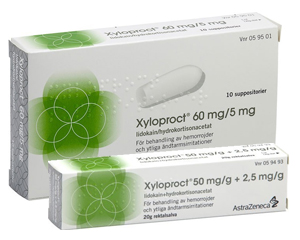
Xyloproct
Incl. online consultation, medicine and discreet delivery
View Options
The medical information on this site is provided for educational purposes. It does not replace a face-to-face consultation with your GP or specialist. Always follow the advice of your prescribing doctor and read the patient information leaflet supplied with your medication.
Choose Your Medicine
Select dosage and quantity
Online Consultation
Reviewed by a qualified physician
Fast, Discreet Delivery
Delivered to your door
Medical Information
About This Medicine
Xyloproct is a topical anorectal preparation containing hydrocortisone, lidocaine (lignocaine), aluminium acetate, and zinc oxide.
It is prescribed for the relief of pain, itching, and inflammation associated with haemorrhoids (piles), anal fissures, and proctitis.
The hydrocortisone component acts as an anti-inflammatory agent, reducing swelling and irritation of the anorectal mucosa.
Lidocaine provides rapid local anaesthesia, numbing the affected area and relieving pain and discomfort.
Aluminium acetate and zinc oxide serve as astringents and protective agents, helping to dry weeping surfaces and form a soothing barrier over the inflamed tissue.
Anorectal conditions are among the most common presentations in primary care. Pain, itching, bleeding, and a feeling of incomplete evacuation significantly affect quality of life.
Xyloproct provides targeted multi-action relief while the underlying condition is managed through dietary changes, stool softeners, and other measures.
Xyloproct is available as an ointment for external use and as suppositories for internal application. It is intended for short-term use only.
Usage & Dosage
For the ointment: apply a small amount to the affected area two to three times daily, including after bowel movements. Clean and gently dry the area before each application.
For suppositories: insert one suppository into the rectum two to three times daily.
Do not use Xyloproct for longer than seven days continuously without consulting your doctor. Prolonged application of hydrocortisone to the perianal area can thin the skin.
Wash your hands before and after application.
Increase your fibre and fluid intake to promote softer stools and reduce straining, which is the most common aggravating factor for haemorrhoids and fissures.
Ointment: apply sparingly to the affected area up to three times daily. Suppositories: insert one suppository two to three times daily. Maximum treatment duration is seven days without review.
Xyloproct is intended for adult use. It is not recommended for children unless prescribed by a specialist.
No specific dose adjustments are required in elderly patients, but treatment duration should be kept as short as possible.
Side Effects
Local burning, stinging, or irritation at the site of application is reported occasionally and is usually mild.
Lidocaine may cause transient numbness extending slightly beyond the area of application.
Prolonged use of the hydrocortisone component may lead to perianal skin thinning, striae, and telangiectasia. Contact dermatitis may develop in response to lidocaine or other ingredients.
Systemic absorption from rectal application is very low at recommended doses.
However, in patients using the product extensively or on damaged mucosa, local anaesthetic toxicity (dizziness, tingling around the mouth, or cardiac effects) is a theoretical concern.
Allergic reactions to lidocaine or other excipients, though rare, should prompt immediate discontinuation.
Warnings & Precautions
Limit treatment to seven days without medical review. The anal skin is thin and vulnerable to corticosteroid-induced damage.
If symptoms persist, seek further assessment to rule out other anorectal pathology.
Xyloproct contains lidocaine. Patients with a known allergy to amide-type local anaesthetics should not use this product.
Excessive application to large areas of damaged mucosa may increase systemic absorption of lidocaine.
Inform your prescriber if you are pregnant or breastfeeding. Do not use on infected skin unless concurrent antimicrobial treatment has been prescribed.
Contraindications
Xyloproct is contraindicated in patients with known hypersensitivity to hydrocortisone, lidocaine, or any other ingredient in the formulation.
It must not be applied to areas with untreated bacterial, viral, or fungal infection.
Avoid use in the presence of anorectal tuberculosis. Significant unexplained rectal bleeding should be investigated before attributing symptoms to haemorrhoids.