
Antifungal Treatments Prescribed by UK Doctors
Fungal infections affect 25% of the global population and are frequently misdiagnosed or undertreated. As a GP, I differentiate between dermatophyte infections (skin, nails, scalp) and Candida overgrowth (mucosal, genital) because each requires a distinct antifungal strategy. Fluconazole clears vaginal thrush in 90% of women with a single 150 mg dose, while terbinafine cures nail fungus in 75-80% over 3-6 months.
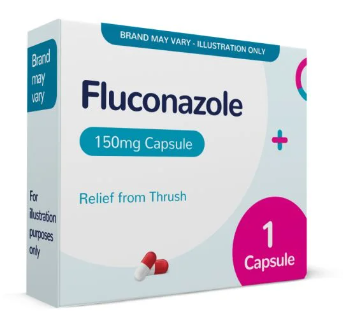
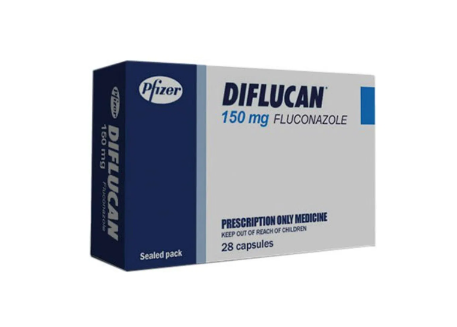
Fluconazole 150 mg single dose achieves 90% cure rate for uncomplicated vulvovaginal candidiasis within 72 hours
Terbinafine 250 mg daily for 6-12 weeks is first-line for dermatophyte nail infections with 75-80% mycological cure
Clotrimazole 1% cream applied twice daily for 2-4 weeks clears superficial dermatophyte skin infections in 85-90% of cases
Recurrent thrush (4+ episodes per year) warrants a 6-month fluconazole maintenance regimen of 150 mg weekly


About Antifungal
Understanding Fungal Infections
Fungal infections (mycoses) are broadly classified by the causative organism and the anatomical site affected.
In primary care, superficial mycoses dominate - these involve the skin, nails, hair, and mucous membranes and are caused predominantly by dermatophytes and Candida species.
Dermatophytes (Trichophyton, Microsporum, Epidermophyton) are moulds that digest keratin, the structural protein of skin, nails, and hair.
They cause tinea infections named by body site: tinea pedis (athlete's foot), tinea corporis (body ringworm), tinea cruris (groin), tinea capitis (scalp), and tinea unguium (nail, also called onychomycosis).
Dermatophyte infections are acquired through direct skin contact, contaminated surfaces (gym floors, shared towels), or animal contact.
Candida species (predominantly Candida albicans) are yeasts that inhabit mucosal surfaces as normal commensals.
Overgrowth produces symptomatic infection - vulvovaginal candidiasis (thrush) in 75% of women at least once, oral candidiasis, intertrigo in skin folds, and balanitis in men.
Risk factors for Candida overgrowth include antibiotic use (disrupts competing bacterial flora), immunosuppression, diabetes mellitus (glucose-rich environment), pregnancy, and corticosteroid therapy.
Onychomycosis affects 10-15% of the UK population, rising to 30% in those over 60.
It presents as nail thickening, discolouration (yellow-white), subungual debris, and eventual nail plate destruction.
It rarely resolves spontaneously and serves as a reservoir for recurrent skin infection.
Key diagnostic approaches:
- Clinical pattern recognition (ring-shaped lesion with central clearing = tinea corporis)
- Skin scrapings with KOH microscopy: detects fungal hyphae in 60-80% of samples
- Fungal culture: identifies the species and guides treatment, takes 2-6 weeks to grow
- Nail clippings for mycology before starting systemic antifungals (NICE recommends confirmation)
- Wood's lamp examination: some Microsporum species fluoresce green (useful for tinea capitis)
Antifungal Treatment Options
Antifungal prescribing is guided by the infecting organism, the body site, and the severity and extent of infection.
Superficial infections often respond to topical therapy, while nail and widespread infections typically require systemic treatment.
Fluconazole is a triazole antifungal that inhibits fungal CYP450-dependent lanosterol 14-alpha-demethylase, disrupting ergosterol synthesis in the cell membrane.
- Uncomplicated vulvovaginal candidiasis: single 150 mg oral dose (90% cure rate at 14 days)
- Recurrent vulvovaginal candidiasis (4+ episodes/year): 150 mg every 72 hours for 3 doses as induction, then 150 mg weekly for 6 months
- Oral candidiasis: 50-100 mg daily for 7-14 days
- Candidal balanitis: 150 mg single dose or 50 mg daily for 7 days
Terbinafine is an allylamine that inhibits squalene epoxidase, another step in ergosterol biosynthesis. It is highly effective against dermatophytes and is the systemic treatment of choice for:
- Onychomycosis (fingernails): 250 mg daily for 6 weeks (cure rate 70-80%)
- Onychomycosis (toenails): 250 mg daily for 12 weeks (cure rate 75-80%)
- Extensive tinea corporis or tinea cruris: 250 mg daily for 2-4 weeks
- Tinea capitis (Trichophyton species): 250 mg daily for 4-6 weeks in adults
Clotrimazole cream 1% (topical imidazole) is first-line for localised superficial fungal skin infections - tinea pedis, tinea corporis, cutaneous candidiasis, and intertrigo.
Apply twice daily for 2-4 weeks, continuing for 1-2 weeks after clinical clearance to prevent relapse.
Miconazole oral gel treats oral candidiasis when fluconazole is inappropriate. Nystatin suspension is an alternative for oral thrush, though fluconazole has superior efficacy.
Prescribing considerations:
- Confirm dermatophyte nail infection with mycology before starting systemic therapy (false-positive clinical diagnosis rate is 40-50%)
- Terbinafine is ineffective against Candida species; fluconazole is ineffective against many dermatophytes at standard doses
- Itraconazole pulse therapy (200 mg twice daily for 1 week per month, 2-3 pulses) is an alternative for nail dermatophyte infections in patients who cannot tolerate terbinafine
Side Effects and Drug Interactions
Both topical and systemic antifungals have well-characterised safety profiles.
Topical agents are remarkably safe with negligible systemic absorption, while oral antifungals require monitoring for hepatic and haematological effects.
Terbinafine side effects:
- Gastrointestinal disturbance (nausea, diarrhoea, abdominal discomfort): 5-10%
- Taste disturbance (dysgeusia or ageusia): 2-3%, usually reversible within weeks of stopping
- Hepatotoxicity: rare (1 in 50,000-120,000) but potentially serious. NICE recommends baseline LFTs; repeat if symptoms develop (nausea, dark urine, jaundice)
- Skin reactions: rash in 2-3%, rarely Stevens-Johnson syndrome
- Blood dyscrasias: very rare; advise patients to report unexplained bruising, bleeding, or sore throat
Fluconazole side effects:
- Nausea and abdominal pain: 5-7% (usually mild and self-limiting)
- Headache: 2-3%
- Hepatotoxicity: dose-dependent, rare at 150 mg single dose, more relevant with prolonged courses
- QT prolongation: clinically significant at higher doses (400 mg+) or with concurrent QT-prolonging drugs
Critical drug interactions:
- Fluconazole inhibits CYP2C9 and CYP3A4: increases warfarin effect (check INR), enhances simvastatin/atorvastatin toxicity (use lowest statin dose or suspend during fluconazole course), potentiates sulfonylurea hypoglycaemia
- Terbinafine inhibits CYP2D6: may increase levels of tricyclic antidepressants, beta-blockers (metoprolol), and tamoxifen. Codeine efficacy may be reduced (CYP2D6 converts codeine to morphine)
- Avoid fluconazole with erythromycin, domperidone, or other QT-prolonging agents
- Griseofulvin (rarely used now) induces CYP enzymes and reduces oral contraceptive efficacy
Contraindications:
- Fluconazole: pregnancy (teratogenic at high doses), breastfeeding (excreted in milk at near-plasma concentrations with repeated dosing), severe hepatic impairment
- Terbinafine: severe hepatic or renal impairment (eGFR below 50), lupus erythematosus (may exacerbate), psoriasis (rare exacerbation reported)
Prevention and Hygiene Measures
Preventing recurrence of fungal infections requires attention to the environmental and host factors that promote fungal colonisation.
These measures are particularly relevant for patients with recurrent tinea pedis, onychomycosis, or recurrent vaginal candidiasis.
Skin and nail infection prevention:
- Dry feet thoroughly after bathing, particularly between the toes (dermatophytes thrive in moist keratin)
- Wear breathable footwear - leather or mesh rather than synthetic materials that trap moisture
- Alternate shoes daily to allow 24-48 hours of drying between wears
- Use antifungal powder (miconazole or clotrimazole) in shoes and socks prophylactically if prone to recurrence
- Wear flip-flops in communal showers, swimming pool areas, and gym changing rooms
- Treat tinea pedis promptly and completely - untreated foot infection is the primary source of nail reinfection
- Cut nails straight across and keep them short to reduce subungual debris harbouring fungi
- Discard old shoes worn during active infection, as dermatophyte spores survive for months in leather and fabric
Vaginal candidiasis prevention:
- Avoid soap, shower gels, and douches in the vulvovaginal area - use water alone or an emollient wash (Dermol, Cetraben)
- Wear cotton underwear and avoid tight-fitting synthetic clothing that increases vulval moisture and temperature
- Optimise blood glucose control if diabetic - HbA1c above 58 mmol/mol significantly increases Candida colonisation
- Probiotics (Lactobacillus rhamnosus, L. reuteri) show modest evidence for reducing recurrence when used alongside antifungal treatment, though data quality is variable
- If antibiotic courses trigger thrush, discuss prophylactic fluconazole 150 mg with your prescriber
General immune support:
- Manage diabetes tightly - glucose above 11 mmol/L impairs neutrophil fungicidal activity
- Address iron deficiency - ferritin below 30 mcg/L is associated with recurrent mucosal candidiasis
- Immunosuppressed patients (HIV, chemotherapy, long-term corticosteroids) need specialist fungal infection management
Frequently Asked Questions
How quickly does fluconazole work for thrush?
Can I buy fluconazole without a prescription?
How long does terbinafine take to cure nail fungus?
Why does my thrush keep coming back?
Is terbinafine safe for my liver?
Can I treat nail fungus with cream alone?
The medical information on this site is provided for educational purposes. It does not replace a face-to-face consultation with your GP or specialist. Always follow the advice of your prescribing doctor and read the patient information leaflet supplied with your medication.