
Diabetes Medications Prescribed by UK-Registered Doctors
Type 2 diabetes affects 4.3 million people in the UK. A further 2.4 million are at high risk. As a GP, I manage diabetes every day. I follow the NICE NG28 treatment plan. We start with metformin. We then add SGLT2 inhibitors, GLP-1 agonists, or DPP-4 inhibitors. The choice depends on your heart risk, kidney function, and weight. The aim is an HbA1c below 48 mmol/mol on first-line treatment. This target helps prevent damage to small blood vessels.
Metformin 500 mg-2 g daily is the NICE first-line treatment. It lowers HbA1c by 11-15 mmol/mol on average
SGLT2 inhibitors (empagliflozin, dapagliflozin) cut the risk of cardiovascular death by 38% in people with known heart disease
GLP-1 receptor agonists do two jobs. They lower HbA1c by 11-17 mmol/mol and help you lose 3-6 kg
NICE NG28 aims for an HbA1c below 48 mmol/mol on metformin alone, and below 53 mmol/mol on dual therapy
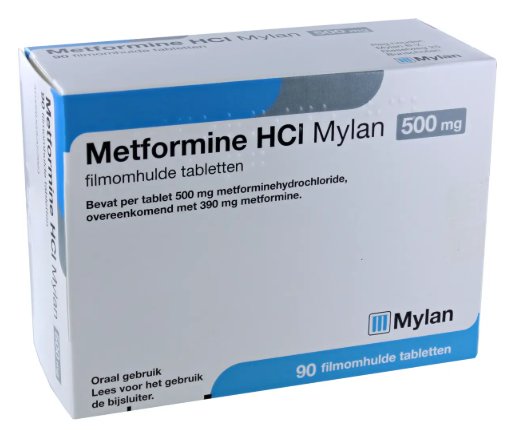
Metformin
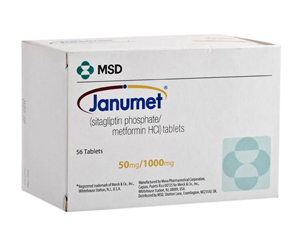
Janumet
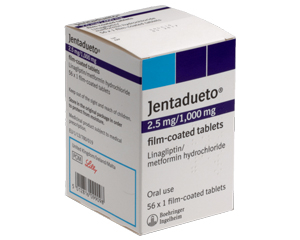
Jentadueto
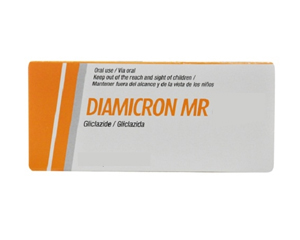
Diamicron MR
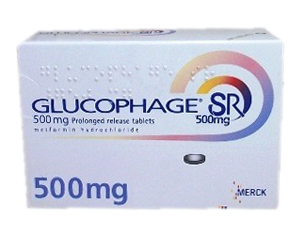
Glucophage
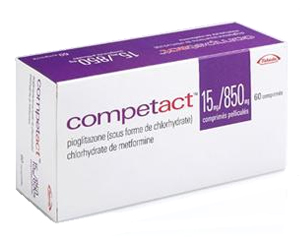
Competact
About Diabetes
Understanding Type 2 Diabetes
Type 2 diabetes is a long-term condition. Your body stops responding well to insulin. This is called insulin resistance. Over time, the beta-cells in your pancreas also weaken and make less insulin.
The result is high blood sugar (hyperglycaemia). About 90% of all UK diabetes cases are type 2. Cases are rising fast.
The main reasons are higher obesity rates, an ageing population, and better testing.
Current UK prevalence: 4.3 million people are diagnosed with diabetes (90% type 2). Around 1.2 million more live with type 2 diabetes but do not yet know it. A further 2.
4 million are at high risk. Their HbA1c is 42-47 mmol/mol. Doctors call this non-diabetic hyperglycaemia, or prediabetes.
The cause is often a "twin cycle" of fat building up in the liver and pancreas. When the liver resists insulin, it releases too much glucose.
Fat in the pancreas stops the beta-cells making enough insulin. As beta-cell function drops over time, blood sugar gets worse.
This feeds a vicious cycle of glucose and fat damage (glucotoxicity and lipotoxicity).
Risk factors:
- Obesity (BMI 30+) raises your risk 7-fold. A BMI of 35+ raises it 20-fold
- South Asian, Black African, and Black Caribbean people have a 2-4 times higher risk, even at a lower BMI
- Family history. If a parent, brother, or sister has type 2 diabetes, your risk doubles
- Past gestational diabetes (diabetes in pregnancy). 50% of these women develop type 2 within 10 years
- Lack of exercise, high blood pressure, abnormal blood fats (dyslipidaemia), and polycystic ovary syndrome
Diagnosis needs one of the following on two separate occasions. Just one test confirms it if you have symptoms:
- HbA1c 48 mmol/mol (6.5%) or above
- Fasting plasma glucose 7.0 mmol/L or above
- Random plasma glucose 11.1 mmol/L or above, with symptoms
Complications from poorly controlled diabetes are wide-ranging:
- Small blood vessel damage (microvascular): retinopathy (the top cause of blindness in working-age adults), nephropathy (kidney damage, found in 20-30% of dialysis patients), and neuropathy (nerve damage, which affects 50% of people with diabetes over time)
- Large blood vessel damage (macrovascular): a 2-4 fold higher risk of heart disease, poor circulation in the legs, and stroke
- Other problems: more infections, foot ulcers (lifetime risk 25%), and lower limb amputation
First-Line and Second-Line Medications
NICE guideline NG28 sets out a clear treatment plan for type 2 diabetes. It tailors your targets and medicines to your heart risk, kidney function, BMI, and your own preferences.
First-line: Metformin
Metformin is the foundation of type 2 diabetes treatment worldwide. It lowers the amount of glucose your liver makes. It also helps your body use insulin better. It can slightly reduce appetite too.
Standard dosing: start at 500 mg once daily with food. Build up over 4-6 weeks to 1 g twice daily (maximum 2 g daily).
Metformin benefits:
- HbA1c reduction: 11-15 mmol/mol (1.0-1.5%)
- Weight neutral, or slight weight loss (1-2 kg)
- Heart benefit shown in the UKPDS trial (39% lower heart attack risk in people who are overweight)
- Very low risk of hypos (low blood sugar) when used on its own
- Costs about £1.50 per month
Metformin side effects: stomach upset (nausea, diarrhoea, bloating) affects 20-30% of people. The modified-release (MR) form cuts these stomach effects by 50%.
Offer it to anyone who cannot tolerate the standard form. A rare but serious risk is lactic acidosis (a build-up of acid in the blood). It happens in 3-10 per 100,000 patient-years.
It almost only affects people with poor kidney function (eGFR below 30). Vitamin B12 deficiency occurs in 5-10% of long-term users. Check B12 levels every 2-3 years.
Second-line options (added when HbA1c rises above 58 mmol/mol on metformin alone):
SGLT2 inhibitors (empagliflozin 10-25 mg, dapagliflozin 10 mg, canagliflozin 100-300 mg) stop the kidneys reabsorbing glucose. You then pass the extra glucose in your urine (glycosuria).
HbA1c reduction: 7-10 mmol/mol. Extra benefits: weight loss of 2-3 kg, a drop in top blood pressure of 4-6 mmHg, fewer heart failure hospital stays, and kidney protection.
The EMPA-REG OUTCOME trial showed a 38% drop in cardiovascular death with empagliflozin.
NICE now suggests SGLT2 inhibitors early on for people with known heart disease, heart failure, or chronic kidney disease.
DPP-4 inhibitors (sitagliptin 100 mg, linagliptin 5 mg, alogliptin 25 mg) raise levels of incretin hormones. These hormones boost insulin and lower glucagon. HbA1c reduction: 5-8 mmol/mol.
Weight neutral. Well tolerated. Outcome trials show no heart benefit, but no harm either.
Sulfonylureas (gliclazide 40-160 mg twice daily) push the beta-cells to release insulin. HbA1c reduction: 11-15 mmol/mol. They are cheap.
But they cause weight gain (2-3 kg) and hypos (in 15-20% of people). SGLT2 inhibitors and GLP-1 agonists are now used in their place more often.
GLP-1 Receptor Agonists and Injectable Therapies
GLP-1 receptor agonists have changed how we treat type 2 diabetes. One medicine class gives strong blood sugar control, real weight loss, and heart protection.
Available GLP-1 agonists in the UK:
- Semaglutide (Ozempic) 0.25-1.0 mg, given as a once-weekly injection under the skin. HbA1c reduction: 13-17 mmol/mol. Weight loss: 4-6 kg. The SUSTAIN-6 trial showed a 26% drop in major heart problems.
- Dulaglutide (Trulicity) 0.75-4.5 mg once weekly. HbA1c reduction: 10-15 mmol/mol. Weight loss: 2-4 kg. The REWIND trial showed a heart benefit.
- Liraglutide (Victoza) 0.6-1.8 mg, given as a daily injection. HbA1c reduction: 10-13 mmol/mol. Weight loss: 2-3 kg. The LEADER trial showed a 13% drop in major heart problems (MACE).
- Oral semaglutide (Rybelsus) 3-14 mg once daily. This is the first GLP-1 agonist you take as a tablet. Take it 30 minutes before breakfast with no more than 120 mL of water. Its HbA1c reduction is similar to injectable semaglutide 0.5 mg.
NICE recommends GLP-1 agonists when:
- HbA1c stays above 58 mmol/mol on two oral medicines
- BMI is 35 or above (or lower if weight loss would help other obesity-related conditions)
- You have known atherosclerotic cardiovascular disease (use semaglutide, liraglutide, or dulaglutide here)
You should only stay on a GLP-1 agonist if it works. HbA1c must fall by at least 11 mmol/mol, and your body weight must drop by at least 3% within 6 months.
If not, NICE says to stop it and try another approach.
Side effects are mostly to do with the stomach and gut:
- Nausea: 15-40% (most common when the dose is going up, usually settles by week 4-8)
- Vomiting: 5-15%
- Diarrhoea: 10-20%
- Injection site reactions: 2-5% (mild and short-lived)
- Pancreatitis: rare (under 0.3%), but report severe tummy pain straight away
Insulin therapy is still needed when other tablets and injections are not enough. It is also needed when HbA1c is very high at diagnosis (above 75 mmol/mol with symptoms).
NICE suggests starting with basal insulin (NPH insulin, or long-acting types such as insulin glargine or insulin degludec), added to metformin. You can combine GLP-1 agonists with basal insulin.
This gives better weight outcomes than adding mealtime (bolus) insulin.
Combination considerations:
- GLP-1 agonist + metformin + SGLT2 inhibitor is a triple therapy used more and more. The three medicines work in different ways. Together they give a strong HbA1c drop, weight loss, and heart and kidney protection
- Do not combine GLP-1 agonists with DPP-4 inhibitors. They work the same way, so you gain nothing
- Lower the sulfonylurea dose when you add a GLP-1 agonist. This helps prevent hypos
Lifestyle Management and Glycaemic Targets
Lifestyle change is the base of type 2 diabetes care. Reinforce it at every appointment. NICE recommends structured education for all newly diagnosed patients.
Examples are the DESMOND or X-PERT programmes.
Dietary management:
There is no single "diabetes diet." The evidence backs several approaches:
- Mediterranean diet: linked to a 30% drop in heart problems (PREDIMED trial) and better blood sugar control
- Low-carbohydrate diets (under 130 g carbohydrate per day): good for short-term blood sugar control and weight loss. Diabetes UK accepts low-carb as a valid option
- Calorie restriction: the DiRECT trial used a structured very-low-calorie diet (850 kcal/day for 12-20 weeks). It put diabetes into remission (HbA1c below 48 mmol/mol with no medication) in 46% of people at 12 months
Practical dietary tips:
- Choose low glycaemic index carbohydrates (whole grains, beans and pulses, most fruits)
- Spread carbohydrate evenly across your meals. This avoids glucose spikes after eating
- Protein intake 1.0-1.5 g/kg of body weight. This protects muscle during weight loss
- Fibre intake 30 g daily (on its own this lowers HbA1c by about 2-3 mmol/mol)
- Limit free sugars to under 5% of your energy (about 30 g/day)
Physical activity:
- 150 minutes per week of moderate aerobic exercise (brisk walking, cycling)
- Resistance training 2-3 sessions per week. It improves insulin response even without weight loss
- Break up long periods of sitting every 30 minutes with light activity. This lowers post-meal glucose by 20-30%
- Timing matters. A 10-15 minute walk after eating blunts glucose rises well
HbA1c targets (NICE NG28):
- On lifestyle alone or metformin alone: 48 mmol/mol (6.5%)
- On dual therapy that includes a drug causing hypos (sulfonylurea, insulin): 53 mmol/mol (7.0%)
- Tailor targets for older, frail patients, or those with a limited life expectancy. 58-64 mmol/mol may suit them to avoid hypos
- Tighter control (below 42 mmol/mol) is the aim for diabetes remission
Self-monitoring of blood glucose (SMBG) is advised for people on insulin or sulfonylureas. Continuous glucose monitoring (CGM) is more widely available now.
It gives detailed data, including time in range (the aim is 3.9-10.0 mmol/L for more than 70% of the time).
Monitoring, Complications Screening, and Safety
Good diabetes care follows the NICE annual review cycle. You also need more frequent checks when treatment changes. Regular screening for complications lets us act early.
This protects your quality of life.
Routine monitoring schedule:
- HbA1c: every 3-6 months until stable, then every 6 months
- Kidney function (eGFR and urine albumin:creatinine ratio): yearly (every 3-6 months if you have CKD or take an SGLT2 inhibitor)
- Lipid profile (blood fats): yearly. Most people with type 2 diabetes qualify for a statin under NICE
- Liver function: at the start and from time to time. Fatty liver disease affects 70% of type 2 diabetes patients
- Foot check: yearly by a trained professional, more often if you have nerve or blood vessel problems
- Diabetic eye screening: yearly through the NHS Diabetic Eye Screening Programme
- Blood pressure: at every diabetes review (aim below 140/90 mmHg, or below 130/80 if you have kidney disease)
Medication-specific monitoring:
- Metformin: check B12 levels every 2-3 years (5-10% of users become deficient). Stop it if eGFR drops below 30
- SGLT2 inhibitors: watch for genital thrush (10-15% of women, 3-5% of men), urine infections, and dehydration in older people. There is a rare risk of diabetic ketoacidosis (DKA), even when glucose is near normal (euglycaemic DKA). Withhold the drug during acute illness, surgery, or fasting
- GLP-1 agonists: check weight and HbA1c at 6 months to see if you should continue
- Sulfonylureas: teach people how to spot and treat hypos. Explain the driving rules under DVLA guidance
- Insulin: use structured self-monitoring or CGM. Follow the driving rules. Check glucose before driving and every 2 hours on long journeys
DVLA driving regulations:
- People on insulin or sulfonylureas must tell the DVLA
- Group 1 (car/motorcycle): blood glucose must be above 5.0 mmol/L before you drive
- Group 2 (lorry/bus): the rules are stricter and you need regular medical review
Sick day rules are vital to teach:
- Never stop metformin, GLP-1 agonists, or SGLT2 inhibitors just because you are eating less while ill. But do withhold SGLT2 inhibitors during acute illness because of the DKA risk
- Check your blood glucose more often when you are ill
- Keep drinking fluids. Contact a healthcare professional if your blood glucose stays above 15 mmol/L, or if you cannot eat for more than 24 hours
- People on insulin must never stop insulin during illness. The dose may need adjusting
Dr. Presc provides repeat diabetes prescriptions for people with settled, stable type 2 diabetes under regular GP or specialist review. New diagnoses and new treatments need a face-to-face assessment.
Frequently Asked Questions
What HbA1c level means I have diabetes?
Why is metformin the first treatment for type 2 diabetes?
What are the advantages of SGLT2 inhibitors over other diabetes drugs?
Can type 2 diabetes be reversed?
Do I need to check my blood sugar every day?
Is it safe to take metformin with kidney problems?
The medical information on this site is provided for educational purposes. It does not replace a face-to-face consultation with your GP or specialist. Always follow the advice of your prescribing doctor and read the patient information leaflet supplied with your medication.