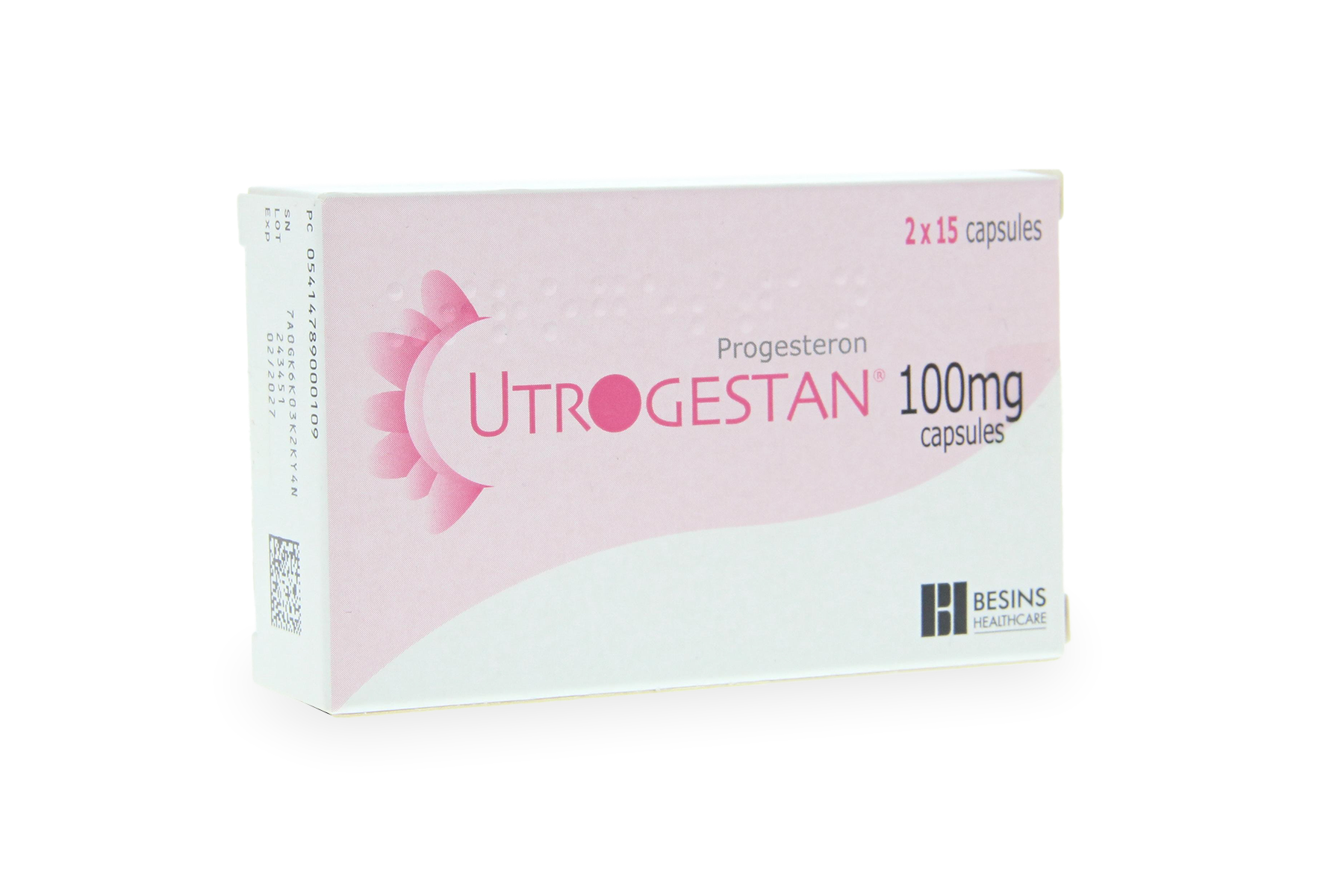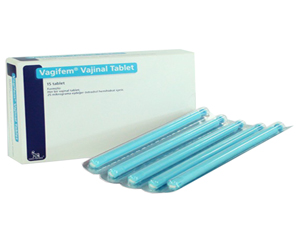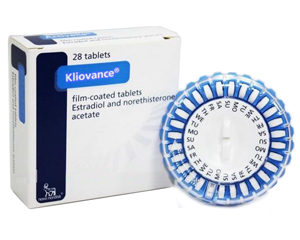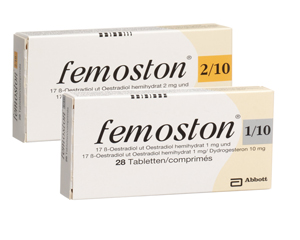
Estriol
Incl. online consultation, medicine and discreet delivery
View Options
The medical information on this site is provided for educational purposes. It does not replace a face-to-face consultation with your GP or specialist. Always follow the advice of your prescribing doctor and read the patient information leaflet supplied with your medication.
Choose Your Medicine
Select dosage and quantity
Online Consultation
Reviewed by a qualified physician
Fast, Discreet Delivery
Delivered to your door
Medical Information
About This Medicine
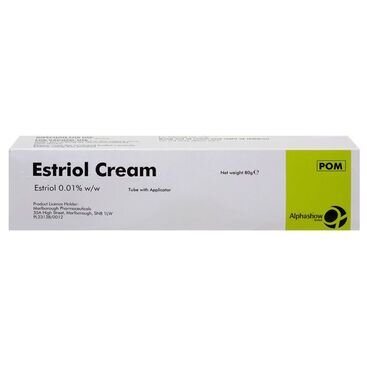
Estriol is a naturally occurring oestrogen used primarily as a topical vaginal treatment for symptoms of vulvovaginal atrophy associated with the menopause.
It is prescribed for women experiencing vaginal dryness, itching, burning, discomfort during intercourse, and recurrent urinary tract infections related to oestrogen deficiency.
Following the menopause, declining oestrogen levels lead to thinning and reduced elasticity of the vaginal and urethral tissues.
Estriol acts on local oestrogen receptors to restore the vaginal epithelium, increase moisture, normalise vaginal pH, and rebuild the supportive bacterial flora (predominantly lactobacilli) that protects against infection.
Estriol is classified as a weak, short-acting oestrogen compared with oestradiol and oestrone.
Because it is applied locally and has low systemic absorption at recommended doses, it carries a more favourable safety profile than systemic hormone replacement therapy.
It is available as vaginal cream, pessaries, and ovules.
Usage & Dosage
Insert the prescribed amount of estriol cream or a pessary into the vagina, preferably at bedtime. Wash your hands before and after application.
For vaginal cream, use the applicator supplied to measure the correct dose. Lie down for the application and remain lying for at least 15 to 20 minutes to allow absorption.
Treatment typically begins with a daily application for two to three weeks (the loading phase), followed by a reduction to twice weekly for maintenance.
Your doctor will advise on the duration of treatment, which may continue for as long as symptoms persist.
Do not use more than the prescribed amount, and attend regular review appointments as recommended.
For vaginal atrophy, the usual loading dose is one applicatorful of cream (containing 0.5 mg estriol) or one pessary inserted vaginally once daily for two to three weeks.
This is then reduced to twice weekly for maintenance. Treatment should be reviewed at least annually.
The lowest effective dose should be used for the shortest duration consistent with symptom control. No specific dose adjustments are required for elderly patients.
Side Effects
Common local side effects include vaginal irritation, itching, or a mild burning sensation during the first days of treatment.
These typically resolve as the vaginal tissues begin to respond to the oestrogen.
Uncommon effects include breast tenderness, vaginal discharge, and spotting or light bleeding. Any unexpected vaginal bleeding should be reported to your doctor promptly.
Systemic side effects are rare at standard local doses because absorption is minimal.
However, with prolonged use or excessive dosing, oestrogen-related effects such as fluid retention, headache, nausea, and breast discomfort may occasionally occur.
The systemic risks associated with oral HRT (venous thromboembolism, stroke, breast cancer) have not been demonstrated at standard low-dose vaginal estriol doses, but long-term safety data remain limited.
Warnings & Precautions
Report any unexpected vaginal bleeding to your doctor without delay, as it may require investigation.
Women with a history of breast cancer or other oestrogen-dependent malignancy should only use estriol after a careful risk-benefit discussion with their specialist.
If you have undiagnosed vaginal bleeding, do not start treatment until the cause has been established.
Women with a uterus using higher-dose or longer-duration local oestrogen may require periodic endometrial assessment.
Inform your doctor if you have a history of venous thromboembolism, stroke, or cardiovascular disease.
Contraindications
Estriol vaginal preparations are contraindicated in women with known or suspected breast cancer, other oestrogen-dependent neoplasms, undiagnosed vaginal bleeding, untreated endometrial hyperplasia, active venous thromboembolism, or known thrombophilic disorders.
They should not be used by women with active or recent arterial thromboembolic disease (e.g.
angina, myocardial infarction, stroke) or by those with known hypersensitivity to estriol or any excipient.