
Hair Loss Treatment Prescribed by UK Doctors
Androgenetic alopecia affects 50% of men by age 50. It follows a set pattern, driven by a hormone called dihydrotestosterone (DHT) that shrinks hair follicles. As a GP, I tell patients that early treatment saves more hair than waiting. Finasteride 1 mg daily blocks 70% of scalp DHT. It stops hair loss getting worse in 90% of men within 12 months.
Finasteride 1 mg daily cuts scalp DHT by 70%. It stops hair loss getting worse in 90% of men at 12 months
Minoxidil 5% solution boosts blood flow to the follicles. It also lengthens the growth phase by 2-6 months on average
Using finasteride and minoxidil together grows back more hair than either one used alone
You usually need 3-6 months of daily use before you see a clear change
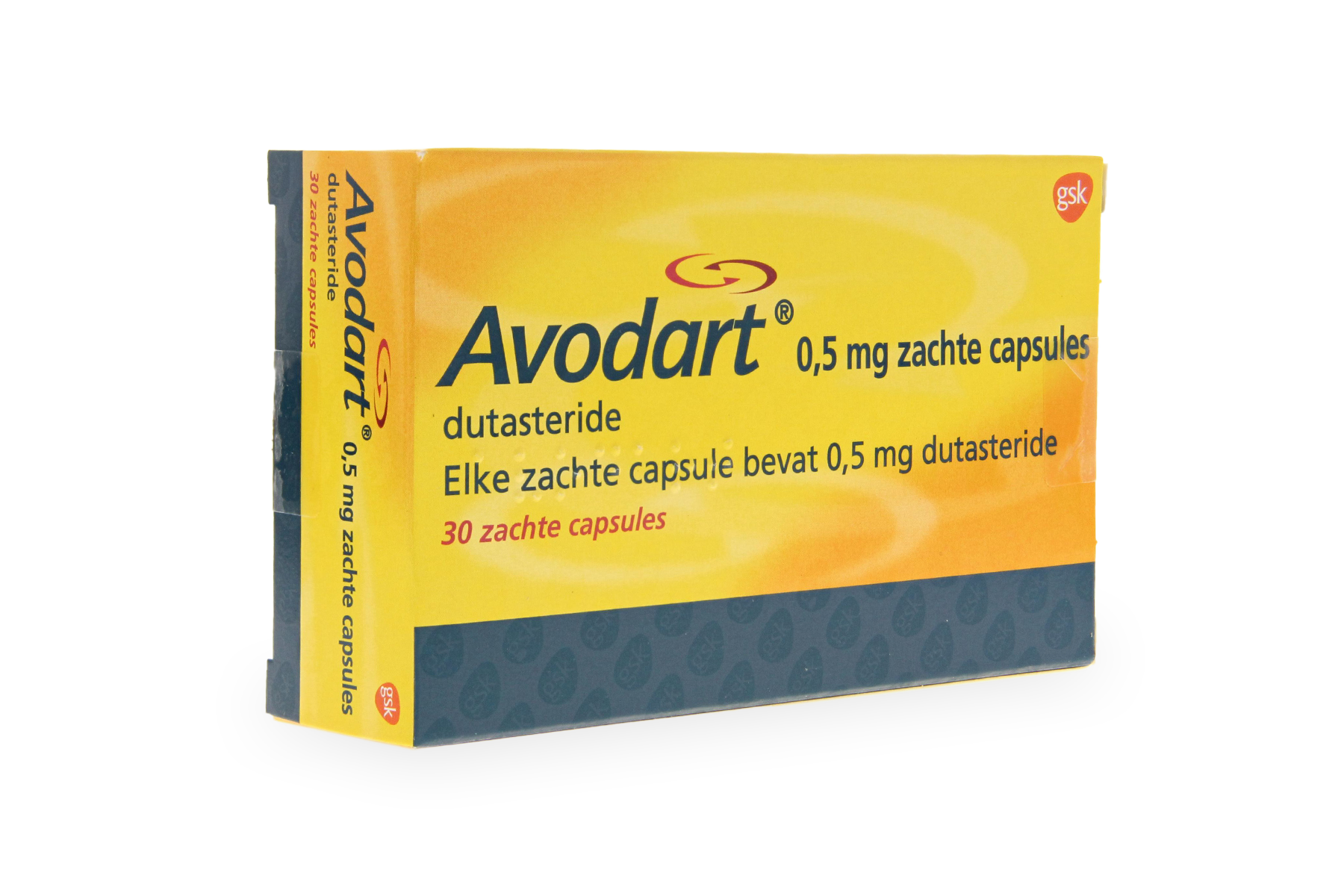
Avodart
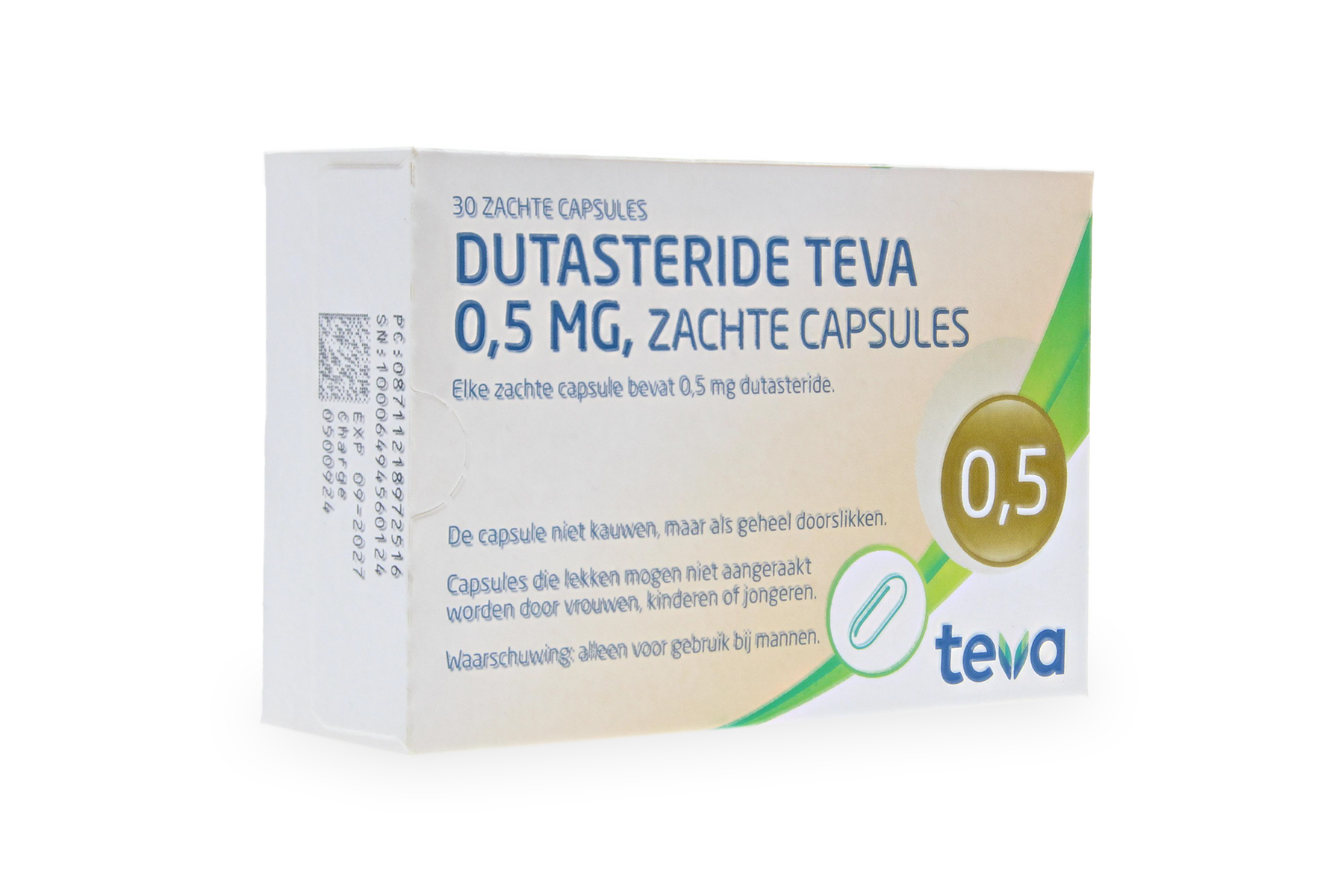
Dutasteride
Proscar
Propecia
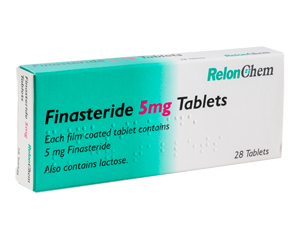
Proscar (Finasteride)
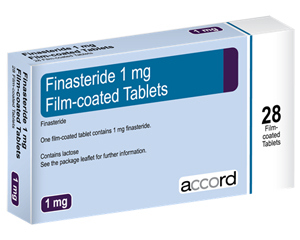
Finasteride (Hair Loss)
About Hair Loss
Understanding Male Pattern Hair Loss
Androgenetic alopecia (AGA) is the most common cause of hair loss in men. It affects about 30% by age 30, 50% by age 50, and 80% by age 70. Doctors track it using the Hamilton-Norwood scale.
It moves from a receding hairline at the temples (Type II) to thinning at the crown (Type III-IV), then to wide loss that leaves only a horseshoe of hair (Type VI-VII).
How DHT drives hair loss. An enzyme called 5-alpha reductase (the type II form) turns testosterone into dihydrotestosterone (DHT). This happens inside the base of certain follicles.
DHT sticks to androgen receptors 5 times more strongly than testosterone. This slowly shrinks the follicles, a process that turns thick, dark hairs into fine, colourless ones.
Your genes decide which follicles react to androgens. The main gene linked to this sits on the X chromosome, which is why hair loss often runs through the mother's side.
But more than 200 other genes also play a part, so the way it passes down is complex.
Checking the diagnosis. A doctor should tell AGA apart from other causes of hair loss:
- Telogen effluvium: spread-out shedding 2-4 months after a body stress, such as surgery, illness, childbirth, or crash dieting
- Alopecia areata: smooth, clearly edged bald patches caused by the immune system
- Traction alopecia: hair loss along the hairline from constant pulling, such as tight hairstyles
- Scarring alopecia: permanent loss of follicles from conditions like lichen planopilaris, discoid lupus, or folliculitis decalvans
Blood tests can rule out other causes. These include thyroid function (TSH) and ferritin, an iron store marker (aim for above 70 mcg/L).
In unclear cases, doctors may also check total and free testosterone, DHEA-S, and sex hormone-binding globulin. A scalp biopsy is only used when the diagnosis is in doubt.
Starting treatment early saves much more hair than waiting. Shrunken follicles eventually lose the ability to grow back for good.
The sooner you start after thinning begins, the better the long-term result.
Prescription and OTC Treatment Options
Two treatments for AGA are backed by good evidence: finasteride (prescription only) and minoxidil (sold over the counter and on prescription). Using both together gives the strongest results.
Finasteride 1 mg daily blocks the type II form of 5-alpha reductase. This cuts DHT in the scalp by about 70% and DHT in the blood by 65-70%.
The key trial here was the 5-year Kaufman study of 1,553 men.
- Hair count rose by 11% at 1 year and held at 5 years
- 90% of men had no further hair loss
- 65% grew back visible hair, judged by photo review
- The most benefit shows at 12-24 months of steady use
If you stop, the gains fade within 6-12 months as DHT returns to its starting level. So finasteride is a long-term commitment.
Minoxidil 5% topical solution or foam goes on the scalp twice daily. It lengthens the growth phase (the anagen phase) of the hair cycle.
It also raises blood flow to the follicles by opening potassium channels and boosting a growth signal called vascular endothelial growth factor (VEGF).
It works on its own, not through the hormone pathway.
Minoxidil grows visible hair in 40-60% of men after 4-6 months. Some men shed hair at first (weeks 2-8). This is resting hairs moving into active growth, and it is a good sign.
The 5% strength is 45% more effective than the 2% strength for crown regrowth.
Using both together (finasteride plus minoxidil) tackles the hormone and the blood-flow pathways at the same time. A randomised trial in Dermatologic Surgery found the pair gave 12.
7% higher hair count than finasteride alone at 12 months.
Newer treatments include:
- Dutasteride 0.5 mg, which blocks both forms of 5-alpha reductase: it stops 90% of DHT and works slightly better than finasteride, but it is used off-label in the UK
- Low-level laser therapy (LLLT): FDA-cleared devices show a small benefit when added to other treatment
- Platelet-rich plasma (PRP) injections: early results look hopeful but are not yet set out in guidelines
Side Effects and Safety Profile
We know the safety of hair loss treatments well. Talking openly about side effects helps you decide and helps you stick with treatment.
Sexual side effects from finasteride worry patients the most. Data from the first registration trials reports:
- Lower sex drive: 1.8% versus 1.3% on placebo (about 1 extra case per 200 men treated)
- Trouble getting an erection: 1.3% versus 0.7% on placebo
- Less semen on ejaculation: 0.8% versus 0.4% on placebo
In nearly all cases, these effects go away once you stop the drug. Some people report "post-finasteride syndrome" (PFS), where sexual, nerve, and thinking symptoms last after stopping.
Case reports describe it, but controlled studies have not confirmed it. The MHRA and EMA keep watching the reports and list PFS in patient leaflets as a precaution.
Effect on PSA. Finasteride lowers prostate-specific antigen (PSA) by about 50%. If you have prostate cancer screening, tell your clinician.
They can adjust your PSA reading (multiply it by 2) so it reads correctly.
Side effects from minoxidil are mostly on the skin:
- Scalp irritation and dryness (10-15%), more so with the alcohol-based solution
- Contact dermatitis: switch to the foam, which has no propylene glycol
- Unwanted facial hair (hypertrichosis): reported by 3-5%, often when the liquid drips onto the face
- Short-lived shedding at the start (weeks 2-8): affects 20-30% and clears on its own
Your body takes in very little topical minoxidil (1-2% of the dose), but now and then it can cause:
- A mildly fast heartbeat or palpitations
- Dizziness or light-headedness
- Swelling in the legs (very rare)
Finasteride must not be used by women who could become pregnant, as it can harm a male baby in the womb (teratogenic). It is also unsafe in severe liver disease or if you are allergic to it.
Avoid minoxidil if you have uncontrolled high blood pressure or phaeochromocytoma, a rare adrenal tumour.
Monitoring: you need no routine blood tests for finasteride at the 1 mg dose. Even so, a baseline liver test is sensible. Report any breast tenderness or mood changes straight away.
Optimising Treatment Outcomes
To get the most from hair loss treatment, you need good technique, realistic hopes, and long-term consistency.
The tips below come from clinical experience and published evidence and help patients get the best results.
How to apply minoxidil has a big effect on how well it absorbs and works:
- Apply it to a dry scalp, not damp hair. Absorption is 4 times higher on dry skin
- Use the dropper to target thinning spots, then spread it with your fingertips
- Wait 2-4 hours before you wash your hair or sleep, so it can absorb
- Apply twice a day to keep a steady drug level at the follicles. Once a day cuts how well it works by 30-40%
- Wash your hands well after each use to avoid unwanted facial or body hair
What to expect, and when, stops people stopping too soon:
- Months 1-3: some shedding may happen, with little visible change
- Months 3-6: shedding settles and early fine regrowth shows
- Months 6-12: a real cosmetic gain in 60-80% of people using both treatments
- Months 12-24: the peak result; staying on treatment keeps your gains
Good nutrition supports healthy hair alongside the medicines:
- Ferritin below 70 mcg/L is linked to more shedding, so an iron supplement may help
- A lack of biotin (vitamin B7) harms hair quality, but taking it when you are not deficient has little evidence behind it
- Zinc and selenium help build keratin, so correct a shortage if you have one
- Protein intake of 1.0-1.2 g/kg of body weight meets the high demands of growing follicles
Scalp health affects how well treatment works:
- Seborrhoeic dermatitis (dandruff) causes ongoing inflammation that may harm follicles, so treat it with ketoconazole 2% shampoo
- Ketoconazole has a weak anti-androgen effect of its own and may add a small benefit in AGA
- Avoid harsh chemical treatments and a lot of heat styling while hair regrows
- Regular scalp massage (4 minutes daily) raised hair thickness in a small Japanese study, though the evidence is still early
Frequently Asked Questions
How long before I see results from finasteride?
Does finasteride cause permanent sexual side effects?
Can I use minoxidil and finasteride together?
Why is my hair shedding more after starting minoxidil?
Will hair loss treatments work for a receding hairline?
Is finasteride safe for long-term use?
The medical information on this site is provided for educational purposes. It does not replace a face-to-face consultation with your GP or specialist. Always follow the advice of your prescribing doctor and read the patient information leaflet supplied with your medication.