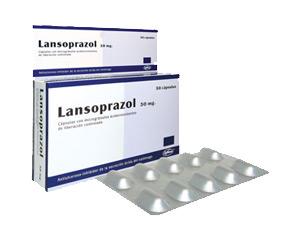
Lansoprazole
Incl. online consultation, medicine and discreet delivery
View Options
The medical information on this site has been reviewed by Dr. Ross Elledge (GMC registered) and is provided for educational purposes. It does not replace a face-to-face consultation with your GP or specialist. Always follow the advice of your prescribing doctor and read the patient information leaflet supplied with your medication.
Choose Your Medicine
Select dosage and quantity
Online Consultation
Reviewed by a qualified physician
Fast, Discreet Delivery
Delivered to your door
Medical Information
About This Medicine
Lansoprazole is a proton pump inhibitor (PPI) used to reduce the production of stomach acid.
It is prescribed for the treatment and prevention of gastro-oesophageal reflux disease (GORD), gastric and duodenal ulcers, Zollinger-Ellison syndrome, and as part of Helicobacter pylori eradication regimens in combination with antibiotics.
The drug works by irreversibly blocking the hydrogen-potassium adenosine triphosphatase enzyme system (the proton pump) on the surface of gastric parietal cells.
This is the final step of acid production, so lansoprazole effectively suppresses both basal and stimulated gastric acid secretion.
A single daily dose can reduce stomach acid output by approximately 80% to 90%.
Lansoprazole is well absorbed orally, and its acid-suppressing effect typically begins within one to two hours of administration.
Although the plasma half-life is relatively short, the duration of acid suppression extends beyond 24 hours owing to the irreversible nature of enzyme inhibition.
New proton pumps must be synthesised before acid secretion returns to baseline levels.
Usage & Dosage
Take lansoprazole capsules in the morning, 30 minutes before breakfast, for best effect.
Swallow the capsule whole with a glass of water; do not crush or chew it, as the granules inside are enteric-coated to prevent degradation by stomach acid.
If you have difficulty swallowing capsules, they may be opened and the granules mixed with a small amount of soft food or apple juice and swallowed immediately without chewing.
For gastro-oesophageal reflux disease: 15 mg to 30 mg once daily for 4 to 8 weeks. For duodenal ulcer healing: 30 mg once daily for 2 to 4 weeks.
For gastric ulcer healing: 30 mg once daily for 4 to 8 weeks. For H. pylori eradication: 30 mg twice daily in combination with two antibiotics for 7 days.
Maintenance therapy, where indicated, is typically 15 mg once daily.
Side Effects
Common (1 in 10 to 1 in 100): headache, diarrhoea, nausea, abdominal pain, flatulence, constipation. Uncommon (1 in 100 to 1 in 1,000): dizziness, dry mouth, fatigue, arthralgia, rash.
Rare (1 in 1,000 to 1 in 10,000): microscopic colitis, hypomagnesaemia, interstitial nephritis. Very rare (less than 1 in 10,000): severe skin reactions, hepatitis, blood dyscrasias, pancreatitis.
Prolonged use may be associated with increased risk of bone fractures and Clostridium difficile infection.
Warnings & Precautions
Long-term PPI use should be reviewed regularly, as prolonged treatment has been associated with hypomagnesaemia, vitamin B12 deficiency, increased risk of hip and spine fractures, and Clostridium difficile-associated diarrhoea.
Lansoprazole may mask symptoms of gastric malignancy, and serious pathology should be excluded before commencing treatment, particularly in patients with alarm features such as unintentional weight loss, dysphagia, or gastrointestinal bleeding.
Rebound acid hypersecretion may occur when stopping treatment abruptly after prolonged use.
Contraindications
Do not take lansoprazole if you are allergic to the active substance or to any of its excipients.
It should not be co-administered with atazanavir, as lansoprazole significantly reduces plasma levels of this antiretroviral.
Caution is advised in patients with severe hepatic impairment, where dose reduction may be necessary.
Frequently Asked Questions
Can I take lansoprazole long-term?
When should I take lansoprazole?
Can I take antacids with lansoprazole?
Does lansoprazole interact with other medicines?
What happens if I miss a dose?
Related articles: Lansoprazole
Lansoprazole side effects: what to expect and when to worry
Lansoprazole is a proton pump inhibitor (PPI) that is generally well tolerated. Common side effects include headaches, diarrhoea, and nausea. Long-term use has been linked to an increased risk of bone fractures, magnesium deficiency, and vitamin B12 malabsorption. Most short-term side effects are mild and resolve within the first few days of treatment.
dosageLansoprazole dosage: a complete prescribing and patient guide
Lansoprazole is available in 15 mg and 30 mg capsules. The dose depends on the condition being treated: 15 mg daily for mild reflux and maintenance therapy, 30 mg daily for active ulcers and more severe acid-related conditions. It should be taken 30 minutes before a meal, ideally in the morning. Treatment duration varies from 2 to 8 weeks for most conditions.
OverviewLansoprazole vs omeprazole: comparing two leading PPIs
Lansoprazole and omeprazole are both proton pump inhibitors (PPIs) that reduce stomach acid production. They are broadly similar in effectiveness for acid reflux and ulcers. Key differences include lansoprazole's faster onset of action and fewer drug interactions compared with omeprazole, though both are well tolerated and widely prescribed.
Dr. Ross Elledge
Consultant Surgeon · Oral & Maxillofacial Surgery
Verified Healthcare Professional