
Migraine Treatment Prescribed by UK Doctors
Migraine is the second leading cause of disability worldwide. It affects 15% of UK adults. Women are three times more likely to get it than men. As a GP, I prescribe triptans for acute attacks. I add preventive medicines when attacks happen more than four times a month. Sumatriptan stops 60-70% of attacks within two hours when you take it at the first sign.
Sumatriptan 50-100 mg stops migraine within 2 hours in 60-70% of patients when taken at headache onset
NICE CG150 recommends prevention with propranolol 80-160 mg or topiramate 50-100 mg for 4+ attacks monthly
Medication-overuse headache develops when triptans are used on 10+ days per month over 3 consecutive months
Menstrual migraine affects 60% of female migraineurs and responds to perimenstrual frovatriptan 2.5 mg twice daily
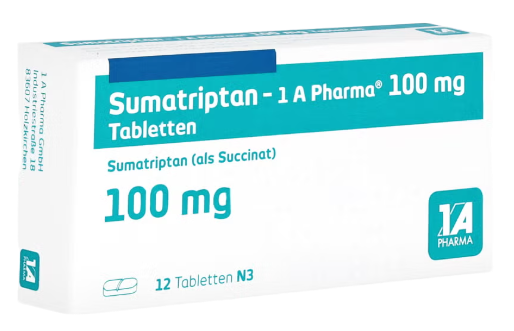
Sumatriptan
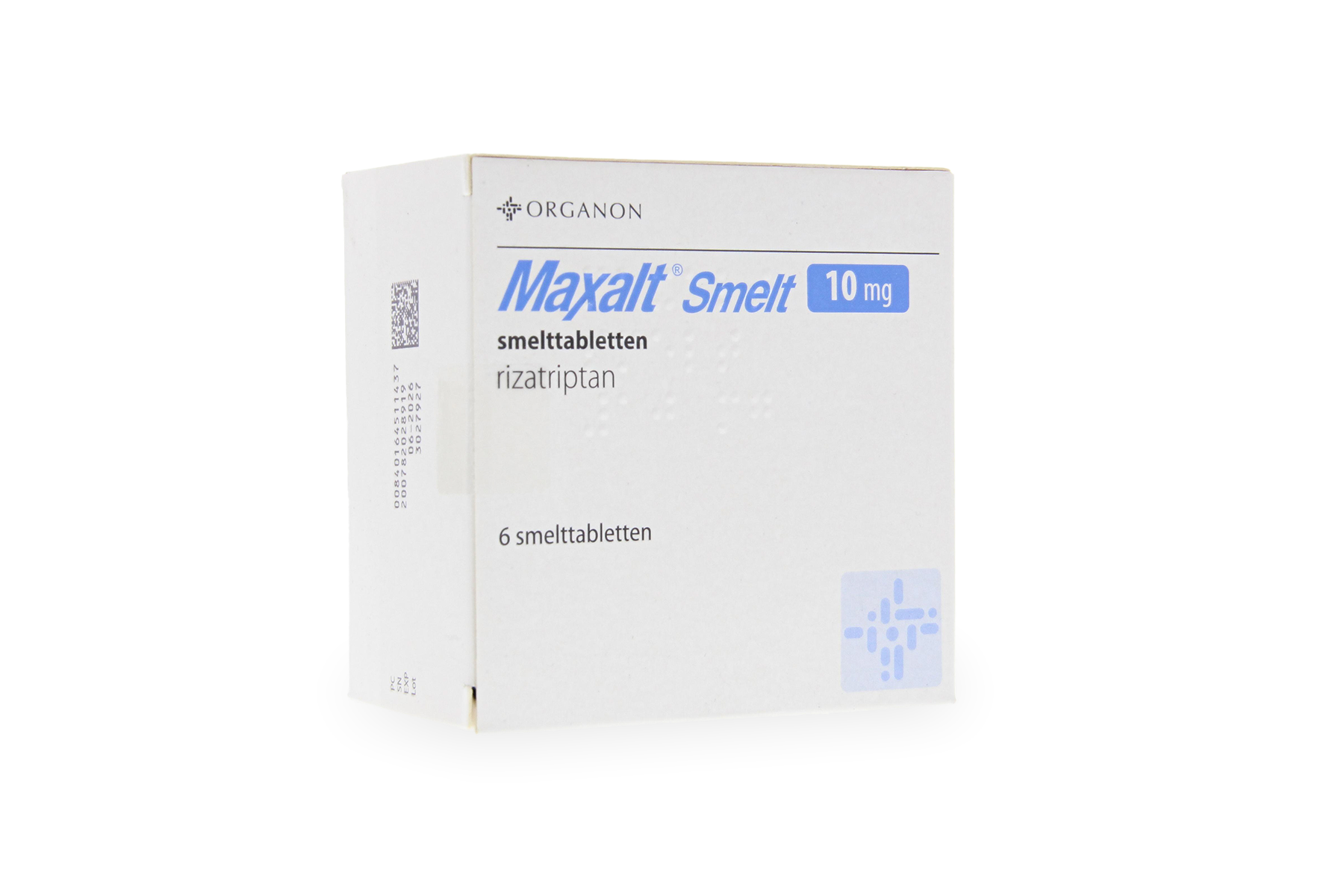
Maxalt
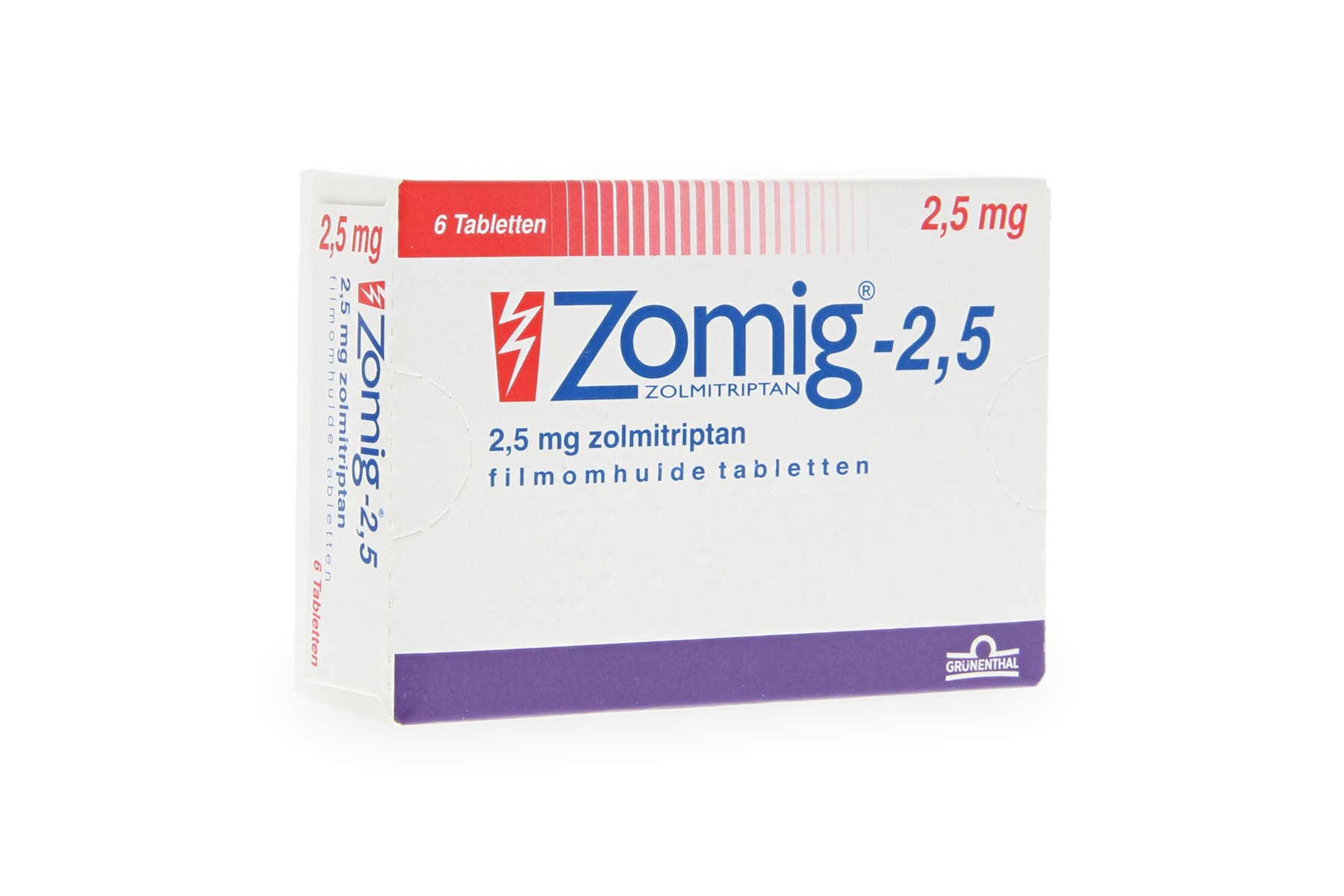
Zomig
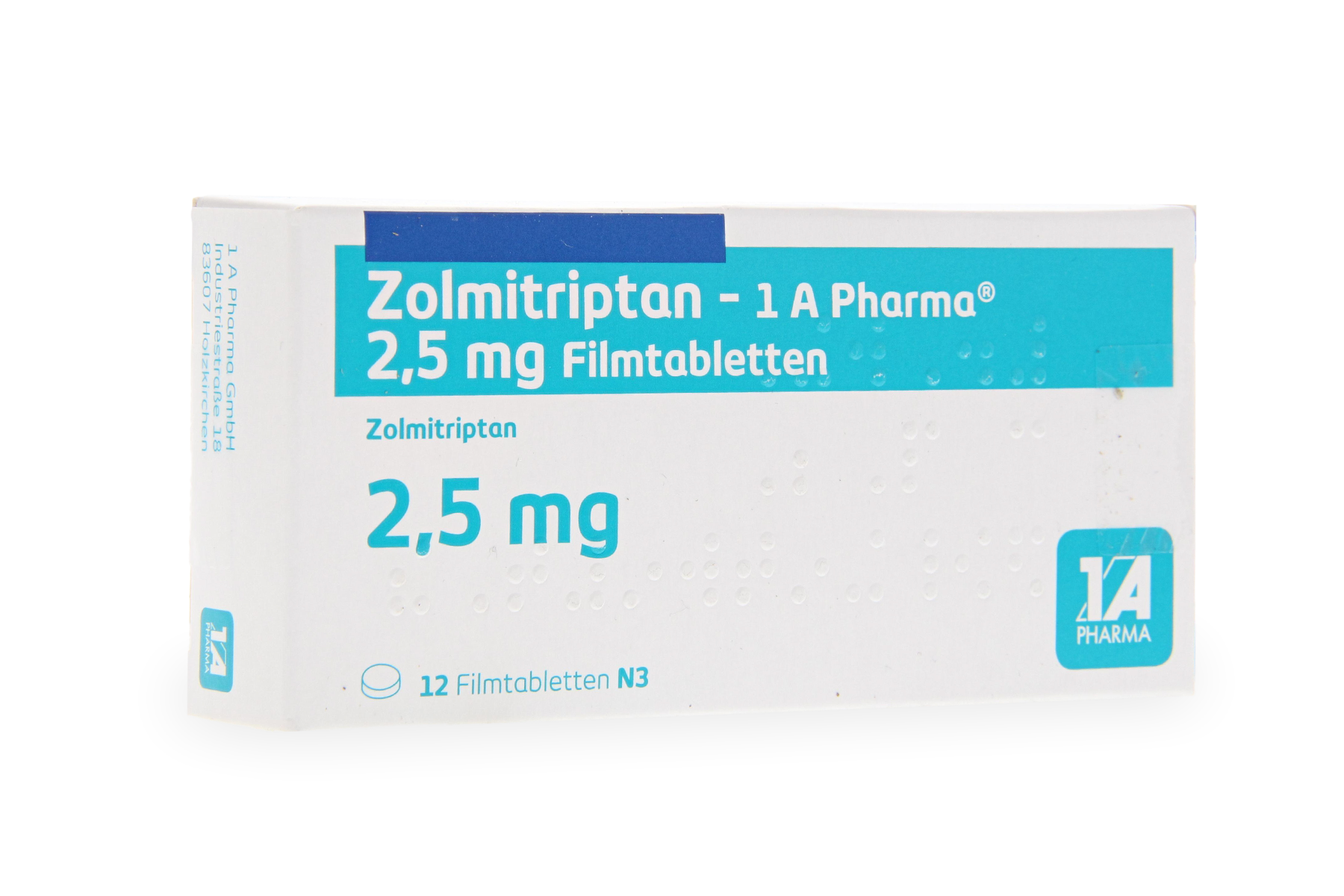
Zolmitriptan
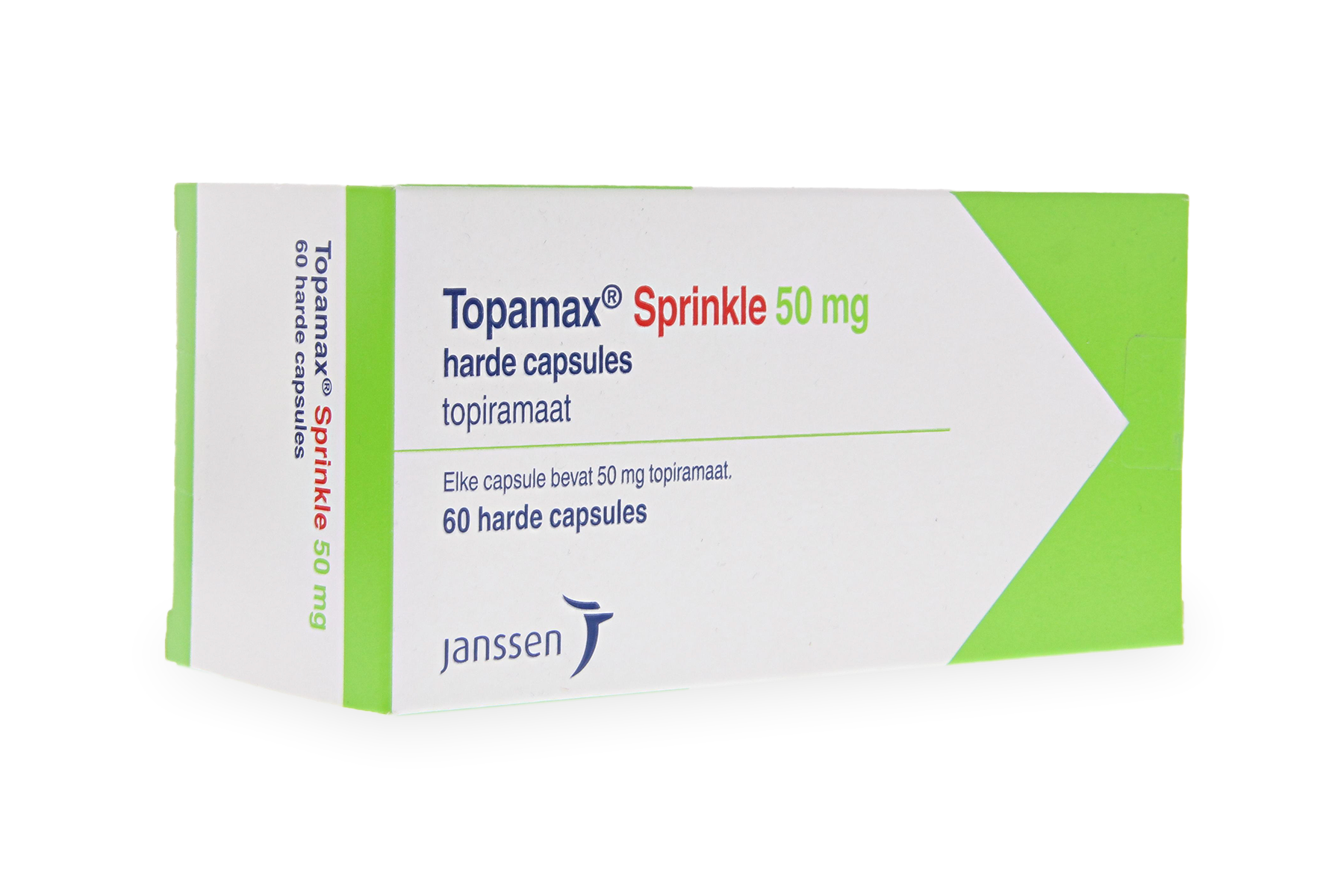
Topamax
Naramig

Naratriptan
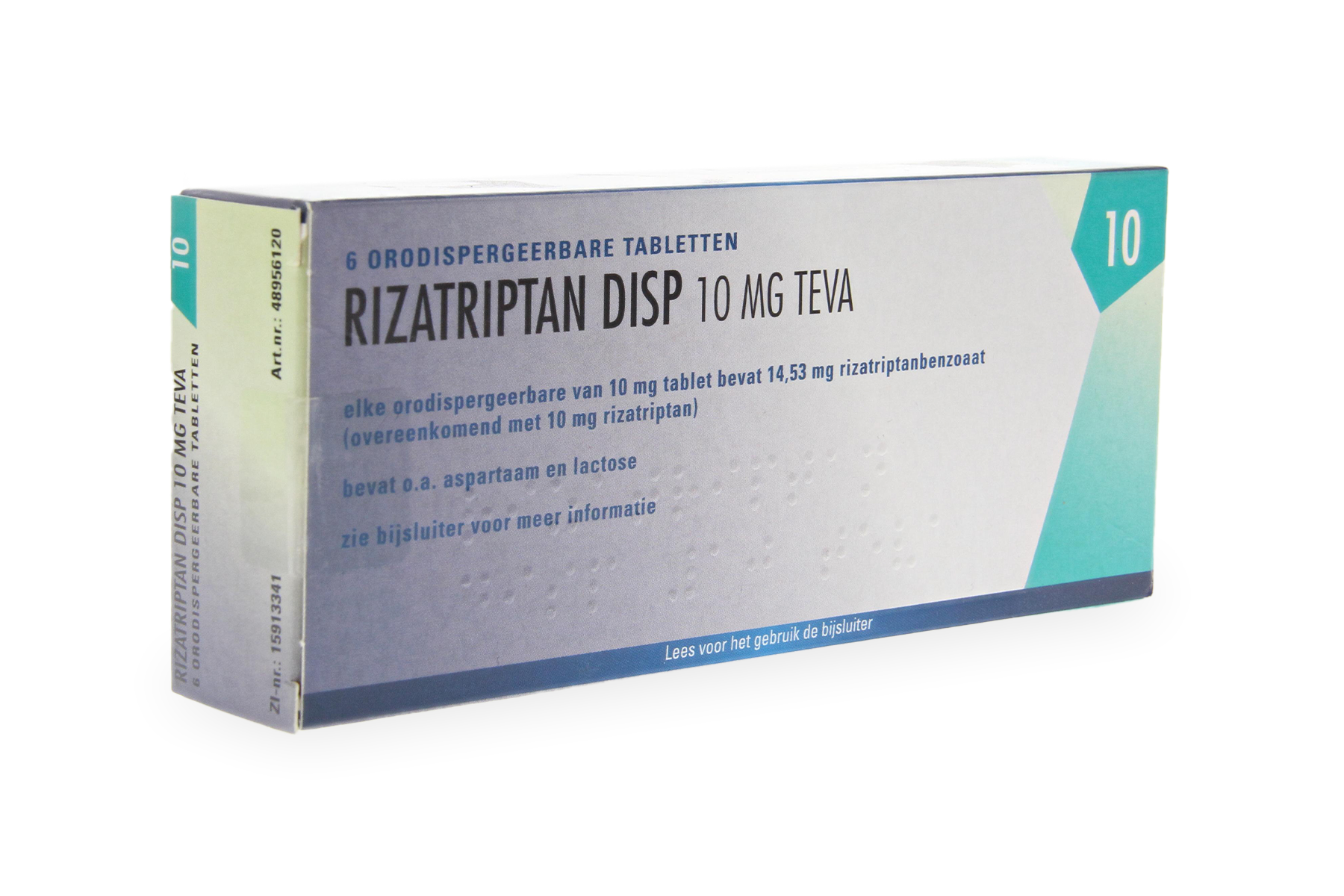
Rizatriptan
About Migraine
Clinical Overview of Migraine
Migraine is a neurovascular disorder, which means it involves both the nerves and the blood vessels. It causes repeated attacks of moderate to severe headache.
The pain is usually on one side and throbs. Each attack lasts 4-72 hours. Doctors use a guide called the International Classification of Headache Disorders (ICHD-3).
It splits migraine into two types. Migraine without aura makes up 75% of cases. Migraine with aura makes up the other 25%. Aura means warning signs such as visual, sensory, or language changes.
These start 5-60 minutes before the headache.
Pathophysiology describes what happens in the body during an attack. It starts with cortical spreading depression.
This is a wave of nerve activity that moves across the surface of the brain at 3-5 mm per minute. The wave switches on the trigeminal nerves.
This widens blood vessels around the brain, causes inflammation, and triggers pain. A protein called calcitonin gene-related peptide (CGRP) drives this whole process.
About 15% of people in the UK have migraine. That is over 10 million adults. Women are affected 3:1 compared with men. The main reason is changing oestrogen levels.
Migraine is most common between ages 25-55, which are the most productive working years. It costs the UK economy an estimated £3.42 billion each year in lost productivity.
Triggers differ from person to person. Common ones include:
- Hormone changes (periods, the combined oral contraceptive pill)
- Poor sleep (too much or too little)
- Stress, and the let-down period after stress
- Diet and fluids (alcohol, caffeine withdrawal, dehydration)
- Too much sensory input (bright light, strong smells, loud noise)
A correct diagnosis means ruling out other causes of headache first. Some warning signs need urgent tests.
These include a sudden headache that peaks within 5 minutes, a new headache after age 50, headache with fever and a stiff neck, a worsening headache with nerve problems, and headache brought on by straining or a change in posture.
Acute Migraine Treatments
Good acute treatment aims to make you pain-free within two hours, with no return of pain within 24 hours. NICE CG150 advises matching the treatment to how severe the attack is.
You do not need to start with the weakest option and work up during a single attack.
Triptans are the gold-standard acute treatment. They are 5-HT1B/1D receptor agonists, a class of drug that acts on serotonin receptors.
They narrow the widened blood vessels around the brain, stop nerve chemicals being released, and block pain signals in the brainstem. Seven triptans are available in the UK.
Sumatriptan 50-100 mg by mouth is prescribed most often. It starts to work within 30 minutes. With the 100 mg dose, 59% of patients are pain-free at 2 hours.
The injection under the skin, sumatriptan 6 mg, works faster (10-15 minutes) and suits severe attacks. A nasal spray (20 mg) is useful if you feel very sick.
Zolmitriptan 2.5-5 mg works about as well and comes as a tablet that melts on the tongue. Rizatriptan 10 mg has the fastest oral onset, giving useful relief in about 30 minutes.
Frovatriptan 2.5 mg stays in the body longer (a half-life of 26 hours) and the headache comes back less often. This makes it a good choice for long attacks or menstrual migraine.
Other acute options that are not triptans include:
- Aspirin 900 mg or ibuprofen 400 mg, taken early with an anti-sickness medicine (domperidone 10 mg or metoclopramide 10 mg)
- Paracetamol 1 g: weaker than NSAIDs for moderate to severe attacks but fine for milder ones
- Combination painkillers with caffeine, which add a small extra benefit
Medication-overuse headache (MOH) is a serious risk. Taking triptans on 10+ days a month, or simple painkillers on 15+ days, for 3 months in a row can turn occasional migraine into daily headache.
To fix it, you stop the medicine in a planned way under medical care. A short bridging course of naproxen often helps.
Migraine Prophylaxis
Preventive treatment is for people who have migraine on 4 or more days a month.
It also helps when attacks last a long time, respond poorly to acute treatment, or when acute medicine use is nearing overuse limits.
NICE CG150 gives clear advice on the first-line preventive medicines.
Propranolol (80-160 mg daily) is the most established preventive. It cuts migraine frequency by 40-50% in people who respond. It works well if you also have anxiety or essential tremor (shaking).
You should not take it if you have asthma, heart block, or severe peripheral vascular disease. Try it at a full dose for 8-12 weeks before judging whether it works.
Topiramate (50-100 mg daily, built up slowly from 25 mg) works as well as propranolol. It also causes weight loss of 2-4 kg, which may help if you are overweight.
It can affect thinking, causing trouble finding words and poorer concentration. This affects 10-15% of people and is the top reason they stop it.
Topiramate can harm an unborn baby, so you must not take it in pregnancy.
Amitriptyline (10-75 mg at night) is widely used, though not officially licensed for migraine. It is most helpful when migraine comes with tension-type headache, sleep problems, or long-term pain.
Side effects such as a dry mouth, drowsiness, and weight gain limit how far some people can raise the dose.
Candesartan (8-16 mg daily) is a newer option. Trials show it works about as well as propranolol and has a kind side-effect profile. It suits people who also have high blood pressure.
NICE recommends:
- A trial of at least 8 weeks at a proper dose before switching
- Slowly stopping after 6-12 months of good control, to check if you still need it
- Keeping a headache diary to track how often, how bad, and how much medicine you use
- Avoiding triptans and propranolol together in people with aura, because of a possible blood-vessel narrowing risk
Some people have chronic migraine. This means headache on 15+ days a month, with at least 8 of those being migraine.
If 3 oral preventives have not worked, NICE TA260 approves botulinum toxin type A injections every 12 weeks.
Lifestyle Strategies for Migraine Prevention
Changing your habits and managing triggers support medication. For people with few attacks, these steps may be enough on their own. Several trials back the methods below.
Regular sleep is one of the most powerful factors you can change. Both too little and too much sleep can trigger attacks.
Keeping the same sleep and wake times, including at weekends, cuts migraine frequency by about 30% in observational studies.
Sleep problems such as insomnia and sleep apnoea often go with migraine and need their own treatment.
Aerobic exercise at a moderate level for 30-45 minutes three times a week cut migraine frequency as well as topiramate did in a Swedish trial.
It works by releasing endorphins, improving fitness, and lowering stress. Build up slowly, because a sudden burst of hard exercise can trigger an attack.
Stress management through mindfulness-based stress reduction (MBSR) or progressive muscle relaxation has worked in several trials.
A Cochrane review found that relaxation training cuts headache frequency by 35-40%, with benefit lasting over 12 months.
Diet and supplement advice:
- Magnesium 400-600 mg daily (as magnesium citrate or glycinate): cuts migraine frequency by 41% in trials
- Riboflavin (vitamin B2) 400 mg daily: 50% of people responded in a placebo-controlled trial after 3 months
- Coenzyme Q10 100 mg three times daily: a number needed to treat of 3 for a 50% drop in frequency
- Enough fluid: 2-2.5 litres a day, since dehydration is an often-missed trigger
Trigger avoidance needs a proper headache diary. Common food triggers include alcohol (especially red wine), aged cheese, and processed meats that contain nitrates. Be careful, though.
Avoiding too many things can backfire and make you anxious. Some evidence suggests that regular, moderate contact with mild triggers may lower your sensitivity over time.
This is called desensitisation.
For menstrual migraine, hormone options include perimenstrual frovatriptan 2.
5 mg twice daily (which NICE supports) or continuous combined hormonal contraception to stop the cyclical drop in oestrogen.
When to Seek Urgent Migraine Assessment
Most migraines are well controlled with a mix of acute treatment and prevention. Some signs, though, need prompt medical review. This is to rule out serious causes or to treat complications.
Thunderclap headache reaches its worst within 5 minutes.
It needs emergency assessment to rule out a brain bleed (subarachnoid haemorrhage), a clot in the brain's veins (cerebral venous sinus thrombosis), or reversible cerebral vasoconstriction syndrome.
Call 999 or go to A&E at once.
Migraine with prolonged aura that lasts more than 60 minutes raises concern about migrainous infarction. This is a rare but serious stroke-like complication.
A brain scan (MRI with diffusion-weighted sequences) is needed. You should generally avoid triptans and ergotamines during a prolonged aura.
Status migrainosus is a severe migraine that lasts over 72 hours despite treatment.
It may need medicine given through a drip in A&E, usually IV metoclopramide, IV magnesium sulphate, or a short course of oral prednisolone.
Other warning signs that need urgent GP or specialist review:
- A new migraine starting after age 50 (think of giant cell arteritis or a brain lesion)
- Headaches getting more frequent or more severe over weeks
- Headache with papilloedema, a sign of raised pressure inside the skull
- Aura that is always on the same side, since a structural lesion must be ruled out
- Headache with fever, a stiff neck, and light sensitivity, which means meningitis until proven otherwise
- Migraine that does not respond to 2 or more preventive medicines taken at proper doses for long enough
NICE recommends referral to a specialist headache service for people with chronic migraine (15+ headache days a month for 3+ months) who have not responded to at least 3 preventive treatments.
CGRP monoclonal antibodies (erenumab, fremanezumab, galcanezumab) are available through NHS specialist clinics under NICE TA764 for those who qualify.
Frequently Asked Questions
How quickly does sumatriptan work?
Can I take a triptan with paracetamol or ibuprofen?
How do I know if I have medication-overuse headache?
Is propranolol or topiramate better for migraine prevention?
Can I use triptans during the aura phase?
Are CGRP inhibitors available through Dr. Presc?
The medical information on this site is provided for educational purposes. It does not replace a face-to-face consultation with your GP or specialist. Always follow the advice of your prescribing doctor and read the patient information leaflet supplied with your medication.