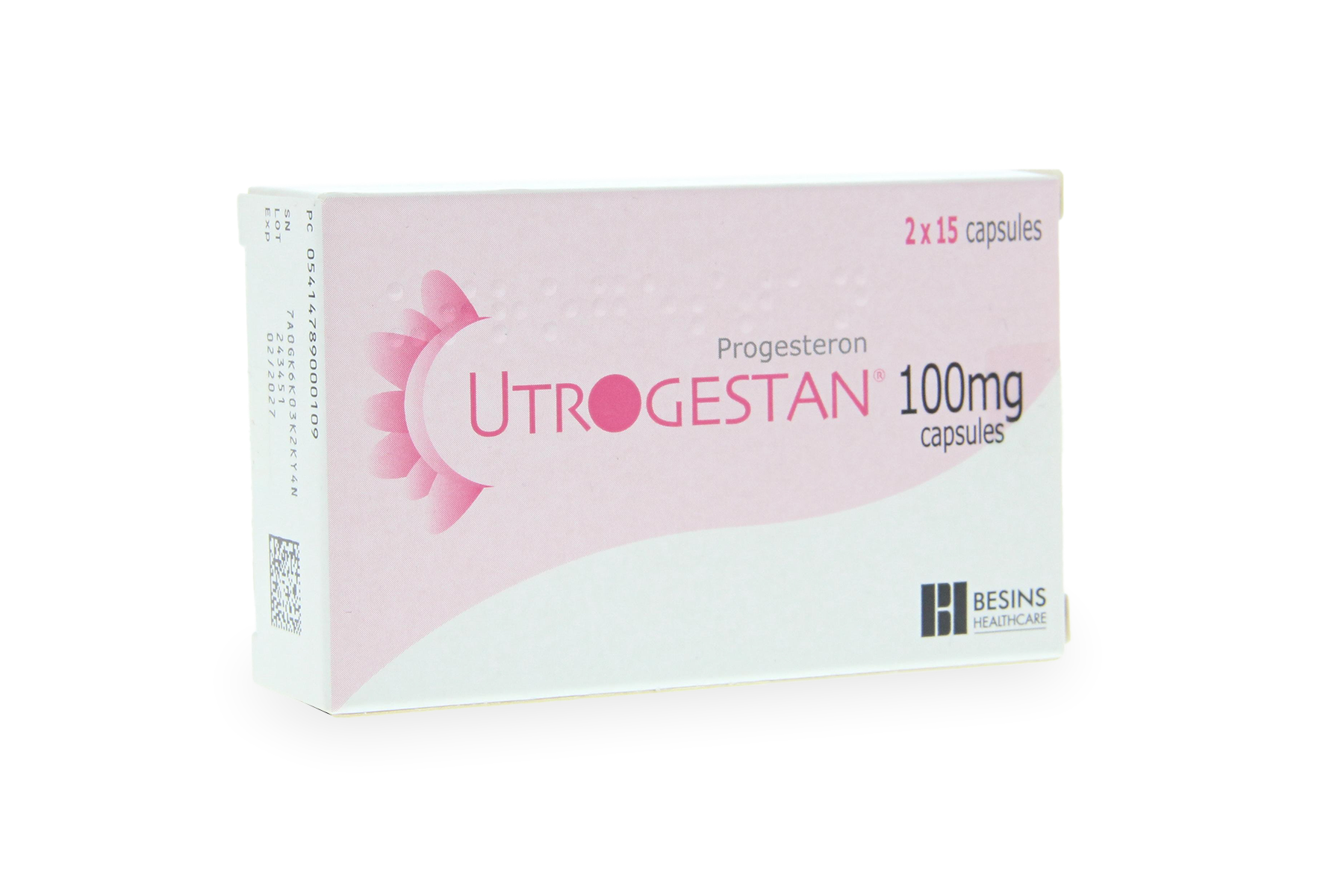
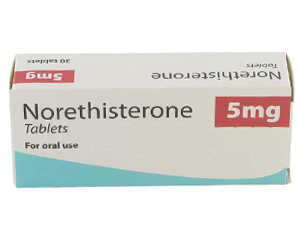
Norethisterone
Incl. online consultation, medicine and discreet delivery
View Options
The medical information on this site is provided for educational purposes. It does not replace a face-to-face consultation with your GP or specialist. Always follow the advice of your prescribing doctor and read the patient information leaflet supplied with your medication.
Choose Your Medicine
Select dosage and quantity
Online Consultation
Reviewed by a qualified physician
Fast, Discreet Delivery
Delivered to your door
Medical Information
About This Medicine
Norethisterone is a synthetic progestogen with multiple clinical applications.
It is prescribed for the postponement of menstruation, the treatment of dysfunctional uterine bleeding, endometriosis, premenstrual syndrome, and as a component of hormone replacement therapy.
At low doses, it is used in progestogen-only contraceptive pills.
Norethisterone closely mimics the action of the naturally occurring hormone progesterone.
When taken at high doses (5 mg three times daily), it maintains the endometrium in its secretory phase, thereby preventing the hormonal withdrawal that triggers menstruation.
This property is used to delay periods for specific events or medical purposes. At lower doses in HRT, it provides endometrial protection against the stimulating effects of unopposed oestrogen.
For endometriosis, norethisterone suppresses ovulation and reduces oestrogen-dependent growth of endometrial tissue outside the uterus, alleviating pain and reducing disease progression.
Its versatility across multiple gynaecological indications makes it one of the most widely prescribed progestogens in clinical practice.
Usage & Dosage
For period delay: take one 5 mg tablet three times daily, starting three days before the expected onset of menstruation.
Continue until you wish menstruation to occur; bleeding will normally begin two to three days after stopping.
For dysfunctional uterine bleeding: dosing varies; follow your prescriber's instructions carefully.
For endometriosis: the usual starting dose is 10 mg daily in divided doses, which may be increased if necessary. Swallow tablets with water at evenly spaced intervals.
If using norethisterone as part of HRT or as a contraceptive, follow the specific regimen prescribed.
For period delay: 5 mg three times daily, starting three days before the expected period and continuing for no longer than 10 to 14 days.
For dysfunctional uterine bleeding: 5 mg three times daily for ten days to arrest bleeding, then a cyclical regimen as directed.
For endometriosis: 10 to 25 mg daily in divided doses for four to six months or longer. As a progestogen-only contraceptive (Noriday): 350 micrograms once daily continuously.
No dose adjustments are established for renal impairment; use with caution in hepatic impairment.
Side Effects
Common side effects include nausea, headache, breast tenderness, fluid retention, weight change, mood disturbance, and altered menstrual bleeding patterns.
Bloating and abdominal discomfort may also occur.
Uncommon effects include acne, skin rash, decreased libido, dizziness, and changes in liver function tests. At high doses, some women experience migraine or visual disturbance.
Serious but rare adverse effects include venous thromboembolism (particularly at higher doses used for period delay or endometriosis, where norethisterone is partially converted to ethinylestradiol), jaundice, and hepatic tumours with prolonged high-dose use.
If you develop sudden leg pain or swelling, chest pain, breathlessness, or severe headache, seek immediate medical attention.
Warnings & Precautions
At doses of 5 mg or more, norethisterone is partly metabolised to ethinylestradiol, conferring a degree of thrombotic risk similar to combined hormonal preparations.
Women with risk factors for venous thromboembolism (previous clots, obesity, immobilisation, smoking) should discuss these risks before using higher-dose norethisterone.
It should not be used to delay periods in women with a history of VTE. Inform your prescriber of any history of liver disease, depression, or migraine.
Contraindications
Norethisterone is contraindicated in patients with known or suspected pregnancy, severe hepatic disease or liver tumours, active or past venous thromboembolism (for high-dose regimens), undiagnosed vaginal bleeding, known or suspected sex-hormone-dependent malignancy, porphyria, and known hypersensitivity to norethisterone or any excipient.