
Stomach and Digestive Treatments from UK Doctors
Gastro-oesophageal reflux disease (acid coming back up the gullet) affects about 20% of UK adults. Functional dyspepsia (ongoing indigestion with no clear cause) makes up 5% of all GP visits. As a prescriber, I sort each case into one of three types: acid-related, motility (gut movement), or H. pylori (a stomach bug). This points to the right treatment. PPIs such as omeprazole clear reflux symptoms in 80-90% of patients within 4 weeks.
Omeprazole 20 mg daily heals oesophagitis (an inflamed gullet) in 80-90% of patients within 4-8 weeks, per NICE CG184
H. pylori treatment with triple therapy (PPI + amoxicillin + clarithromycin for 7 days) clears the bug in 85% of cases
NICE advises stepping the PPI dose down after 4-8 weeks to the lowest dose that still controls symptoms
Using a PPI for longer than 12 months needs a yearly review for fracture, low magnesium, and B12 risk
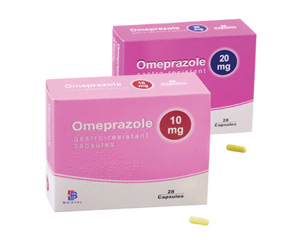
Omeprazole
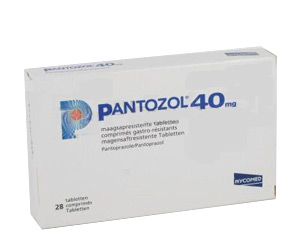
Pantoprazole

Metoclopramide
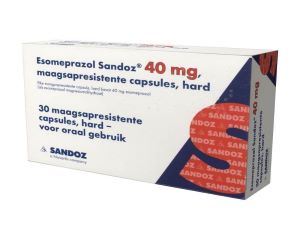
Esomeprazole
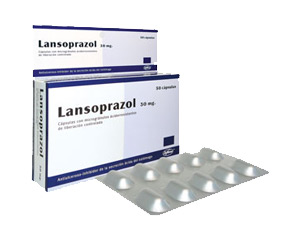
Lansoprazole
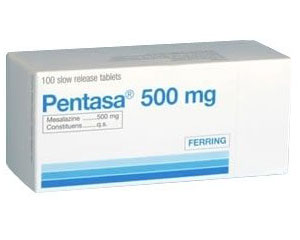
Pentasa
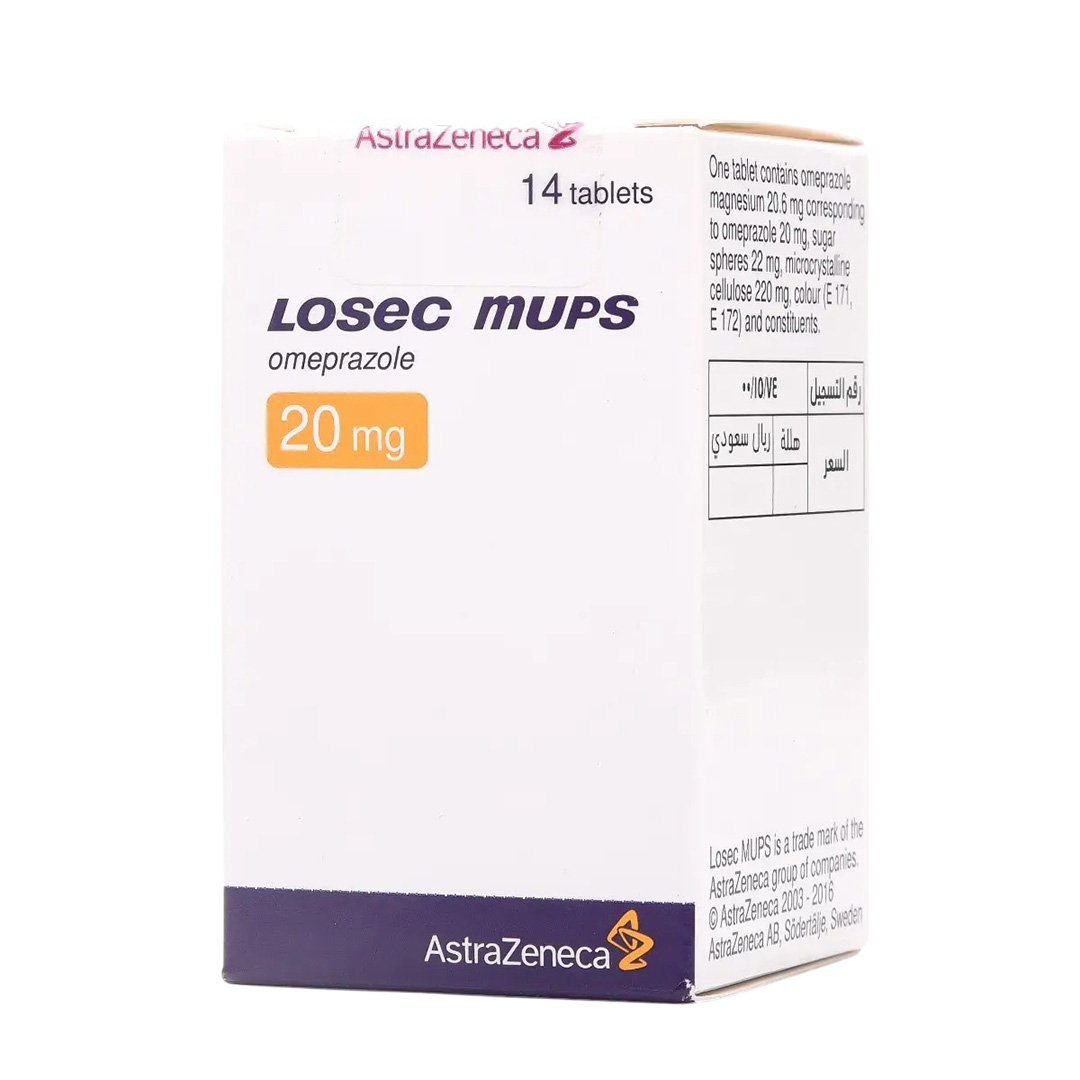
Losec MUPS
Losec
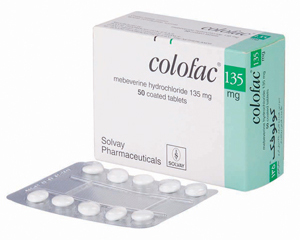
Colofac
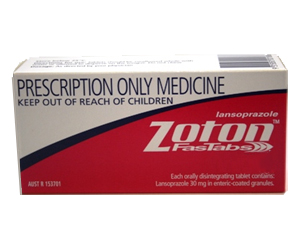
Zoton FasTab
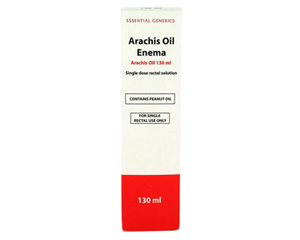
Arachis Oil
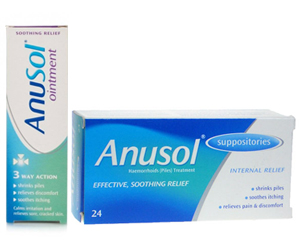
Anusol HC
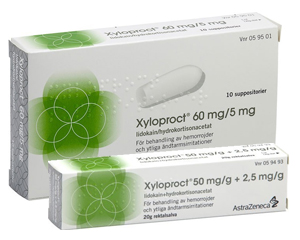
Xyloproct
Rectogesic
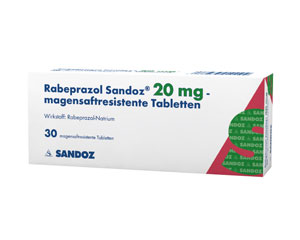
Rabeprazole

Famotidine
About Stomach & Digestion
Understanding Acid-Related Digestive Conditions
Acid-related disorders include gastro-oesophageal reflux disease (GORD), peptic ulcer disease, functional dyspepsia, and Barrett's oesophagus.
They share many of the same symptoms, such as heartburn, pain in the upper tummy, food coming back up, and nausea. But each one has a different cause and needs a different plan.
GORD happens when too much stomach acid flows back up into the gullet.
This is driven by a weak valve at the bottom of the gullet, a hiatus hernia (when part of the stomach pushes up through the diaphragm), or a gullet that clears acid poorly.
The usual symptoms are heartburn (a burning feeling behind the breastbone that gets worse when you bend or lie flat) and acid coming back up.
Less obvious signs include a long-term cough, a hoarse voice, dental erosion, and chest pain that feels like angina.
In the UK, about 20-30% of adults get monthly reflux symptoms and 5-7% get them every day. Risk factors include obesity (the risk is 2.
5 times higher when BMI is above 30), smoking, alcohol, pregnancy, and medicines that relax the valve at the bottom of the gullet (calcium channel blockers, nitrates, anticholinergics).
Peptic ulcer disease affects 5-10% of people at some point in life. The H. pylori bug causes 60-70% of stomach ulcers and 90% of ulcers in the first part of the gut.
NSAID painkillers are the second main cause. Clearing H. pylori heals 90% of infected ulcers. It also cuts the yearly return rate from 70% to under 5%.
Functional dyspepsia is diagnosed when upper gut symptoms last but a camera test (endoscopy) finds no clear cause. It affects 10-15% of adults and splits into two types:
- Epigastric pain syndrome (burning or pain in one spot in the upper tummy)
- Postprandial distress syndrome (feeling full, getting full early, and bloating)
Some warning signs mean you need an urgent camera test.
These are trouble swallowing, unplanned weight loss of more than 3% in 6 months, ongoing vomiting, bleeding in the gut (vomiting blood or black stools), iron deficiency anaemia, and new indigestion in anyone over 55.
PPI and Acid-Suppression Therapy
Proton pump inhibitors (PPIs) switch off the acid pump in the cells that line the stomach. This cuts acid production by 90-95% once levels settle.
They are the strongest acid-lowering medicines and the main treatment for GORD, peptic ulcer, and dyspepsia.
Omeprazole 20 mg daily is the standard first choice under NICE CG184 and the most prescribed PPI. It heals an inflamed, eroded gullet in 80-85% of patients within 4 weeks and 95% within 8 weeks.
Higher doses (40 mg) are kept for a severely inflamed gullet (Los Angeles grade C/D) or Zollinger-Ellison syndrome (a rare acid-overproducing condition).
Lansoprazole 30 mg daily works just as well and starts to act slightly faster.
Some patients do better on it because it has fewer drug interactions through the liver enzyme CYP2C19 than omeprazole.
Esomeprazole (a close chemical relative of omeprazole) at 40 mg lowers acid a little more, but the real-world difference is small.
It is sometimes tried when full-dose omeprazole does not fully relieve symptoms.
Pantoprazole and rabeprazole are other options, each with its own interaction profile. Pantoprazole has the fewest CYP2C19 interactions.
This makes it the better choice for patients on clopidogrel who also need a PPI.
Prescribing follows NICE guidance:
- Start a full-dose PPI for 4-8 weeks
- Step down to the lowest dose that works, or switch to taking it only when needed (PRN)
- H2 receptor antagonists (ranitidine was withdrawn; famotidine 20 mg is still on sale) are an option for mild, occasional symptoms
- Antacids and alginates (Gaviscon Advance) give relief on demand and work well as add-ons
Test for H. pylori before starting a PPI in patients under 55 with unexplained indigestion and no warning signs.
- First choice: PPI + amoxicillin 1 g + clarithromycin 500 mg, all twice a day for 7 days (clears the bug in 85% of cases)
- For a penicillin allergy: PPI + metronidazole 400 mg + clarithromycin 500 mg twice a day for 7 days
- Confirm the bug has gone with a repeat test 4 weeks after finishing the antibiotics and 2 weeks off the PPI
Long-Term PPI Safety and Monitoring
PPIs are among the most over-prescribed medicines in the world. An estimated 25-70% of long-term users have no recorded reason to keep taking them. PPIs are safe for most people.
But long-term use raises a few evidence-based concerns, and these are why regular review matters.
Fracture risk: A review of 18 observational studies found a small rise in hip fracture risk (odds ratio 1.26) when PPIs are used for more than 12 months.
The extra risk is small, at roughly 1 more hip fracture per 1,200 patient-years. Even so, patients who already have osteoporosis or other fracture risks should have their bone health checked.
Low magnesium: About 1-2% of long-term PPI users develop low magnesium with symptoms.
The MHRA advises checking magnesium before starting long-term PPI therapy, then checking it now and again afterwards. This matters most for patients taking digoxin or water tablets (diuretics).
Vitamin B12 deficiency: Less stomach acid makes it harder to release B12 that is bound to food. Studies show a 25-65% higher risk of B12 deficiency when a PPI is used for more than 2 years.
A yearly B12 check is sensible for anyone on continuous therapy.
Clostridioides difficile infection: PPIs raise the risk of C. difficile by about 1.7 times. This is likely because less acid lets more spores survive in the gut.
It matters most in older patients, those who have just had antibiotics, and those in hospital.
Other links still being studied:
- Community-acquired pneumonia: a small rise in risk (odds ratio 1.3) from extra bacteria growing in a low-acid stomach
- Chronic kidney disease: observational data point to a small rise in absolute risk with long-term use
- Dementia: early studies suggested a link, but later large studies have not confirmed it
Stopping safely: NICE advises reviewing PPI therapy at least once a year. Reduce the dose slowly over 4-8 weeks (halve the dose, then go to every other day, then stop).
This lowers the chance of rebound acid, which surges 2-4 weeks after stopping suddenly and can feel like the old symptoms coming back.
Dietary and Lifestyle Measures for Digestive Health
Changing your lifestyle is the first step for GORD and functional dyspepsia. It still matters even when you also need medicine.
Several clinical guidelines treat these measures as the foundation of care.
Weight management is the single change that helps reflux most.
A study of more than 10,000 women in the Nurses' Health Study found that each one-point rise in BMI raised the risk of GORD symptoms by 35%.
Losing 5-10% of your body weight cuts reflux episodes by 40-50%. It may also let you lower or stop the PPI.
When and what you eat has a direct effect on how often reflux happens:
- Eat at least 3 hours before you lie down
- Smaller, more frequent meals stretch the stomach less and relax the gullet valve less often
- High-fat meals slow the stomach down by 30-40%, so acid stays around longer
- Cut back on foods known to trigger reflux: coffee, chocolate, mint, citrus, tomatoes, and spicy dishes
Sleeping position helps with night-time reflux. Raising the head of the bed by 15-20 cm (using bed blocks, not extra pillows) cuts the time acid spends in the gullet by 67% in pH studies.
Sleeping on your left side reduces reflux further, because of where the join between stomach and gullet sits.
Stopping smoking helps the gullet valve relax less often and clear acid better. Smokers have a 70% higher risk of reflux symptoms than non-smokers.
Lowering stress helps functional dyspepsia in particular, where a sensitive gut is driven by the link between the gut and the brain.
Gut-directed hypnotherapy has Level 1 evidence for functional gut disorders, with 70-80% of patients responding in specialist centres.
More practical steps:
- Keep alcohol under 14 units a week; spirits cause more reflux than beer or wine
- Avoid tight clothes that press on the tummy
- Chew your food well to swallow less air and digest it better
- Enteric-coated peppermint oil capsules may ease IBS-overlap symptoms, but they can make reflux worse if the coating fails
Frequently Asked Questions
How long should I take omeprazole?
Can PPIs cause vitamin deficiencies?
How do I know if I have H. pylori?
What is the difference between omeprazole and lansoprazole?
Can acid reflux cause a chronic cough?
Is it safe to take antacids alongside a PPI?
The medical information on this site is provided for educational purposes. It does not replace a face-to-face consultation with your GP or specialist. Always follow the advice of your prescribing doctor and read the patient information leaflet supplied with your medication.