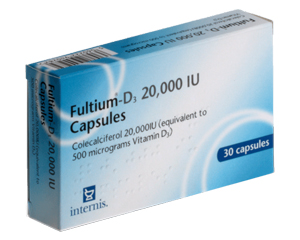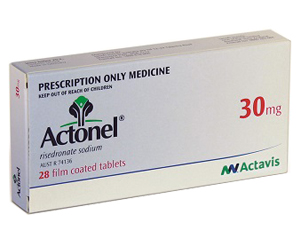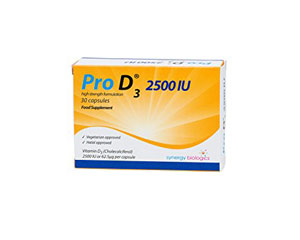
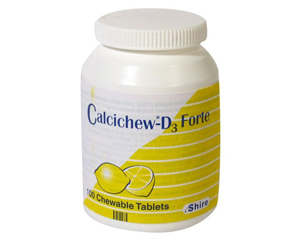
Calci-Chew D3
Incl. online consultation, medicine and discreet delivery
View Options
The medical information on this site is provided for educational purposes. It does not replace a face-to-face consultation with your GP or specialist. Always follow the advice of your prescribing doctor and read the patient information leaflet supplied with your medication.
Choose Your Medicine
Select dosage and quantity
Online Consultation
Reviewed by a qualified physician
Fast, Discreet Delivery
Delivered to your door
Medical Information
About This Medicine
Calci-Chew D3 is a chewable tablet. It contains calcium carbonate and colecalciferol (vitamin D3). Doctors prescribe it to prevent and treat low calcium and low vitamin D.
It is often given alongside certain osteoporosis medicines, such as bisphosphonates. These drugs work best when you have enough calcium and vitamin D for healthy bones.
Calcium is the main mineral in bone. When you do not get enough from food, the body takes calcium from your bones. Over time this makes them weaker.
A supplement keeps the calcium level in your blood high enough. This supports bone building and slows bone loss. It helps most in postmenopausal women and older people.
Vitamin D3 helps your gut absorb calcium. Without enough vitamin D, your body may use calcium poorly, even if you eat plenty.
The liver and kidneys turn colecalciferol into its active form, calcitriol. Calcitriol boosts how much calcium and phosphate the gut takes in. It also helps control bone turnover.
Doctors often prescribe Calci-Chew D3 for older adults and people on long-term corticosteroid treatment.
It also suits those who get little sunlight and people at high risk of an osteoporotic fracture.
Usage & Dosage
Chew one tablet once or twice a day, or as your doctor tells you. You can take the tablets with or without food.
For the best absorption, spread your doses through the day rather than taking them all at once. Drink a glass of water after chewing if you like.
Do not take Calci-Chew D3 within two hours of certain other medicines. These include bisphosphonates, tetracycline antibiotics, iron supplements, and thyroid hormones.
Calcium can stop your body absorbing them properly.
Keep taking the supplement for as long as your prescriber advises. If you miss a dose, take it when you remember. Then carry on with your usual schedule.
The usual dose is one to two tablets a day. This gives 500 to 1,000 mg of calcium and 400 to 800 IU of vitamin D3. Your prescriber will set the right dose for you.
They will look at how much calcium you eat, your vitamin D level, and the condition being treated.
Older people and those on osteoporosis treatment usually need at least 1,000 mg of calcium and 800 IU of vitamin D a day. This comes from food and supplements combined.
The dose may need changing if your blood calcium or urine calcium is too high.
Side Effects
The most common side effects affect the gut. They include constipation, wind, bloating, and feeling sick. These are usually mild.
They may ease if the dose is changed or if you switch to a different calcium salt.
Too much supplement can raise blood calcium too high. This is called hypercalcaemia. It can also happen in people whose kidneys do not work well.
Signs include thirst, feeling sick, passing urine often, and confusion. Too much calcium in the urine, called hypercalciuria, can raise the risk of kidney stones.
Skin rashes and itching have been reported, but rarely. Vitamin D poisoning is very unlikely at standard supplement doses. It may happen if you take several vitamin D products at the same time.
Warnings & Precautions
If you have had kidney stones, use calcium supplements with care and drink plenty of fluids. Long-term use needs regular checks of blood calcium and kidney function.
This matters most if your kidneys are impaired.
Do not take more than the recommended dose without medical advice. Too much calcium and vitamin D can cause hypercalcaemia and lead to calcium building up in soft tissue.
Tell your prescriber about every other medicine you take. Calcium can affect several common drugs.
Take extra care if you use cardiac glycosides such as digoxin, which are medicines that help the heart beat more strongly.
Contraindications
Do not use Calci-Chew D3 if you have high blood calcium (hypercalcaemia) or high urine calcium (hypercalciuria).
Avoid it if you have a condition that raises blood calcium, such as sarcoidosis, an overactive parathyroid gland (hyperparathyroidism), or cancer that has spread to the bone.
It is also not suitable if you have severe kidney problems or kidney stones (nephrolithiasis).
Do not use it if you are allergic to calcium carbonate, colecalciferol, or any other ingredient in the tablet. This includes soya and peanut derivatives where they are present.