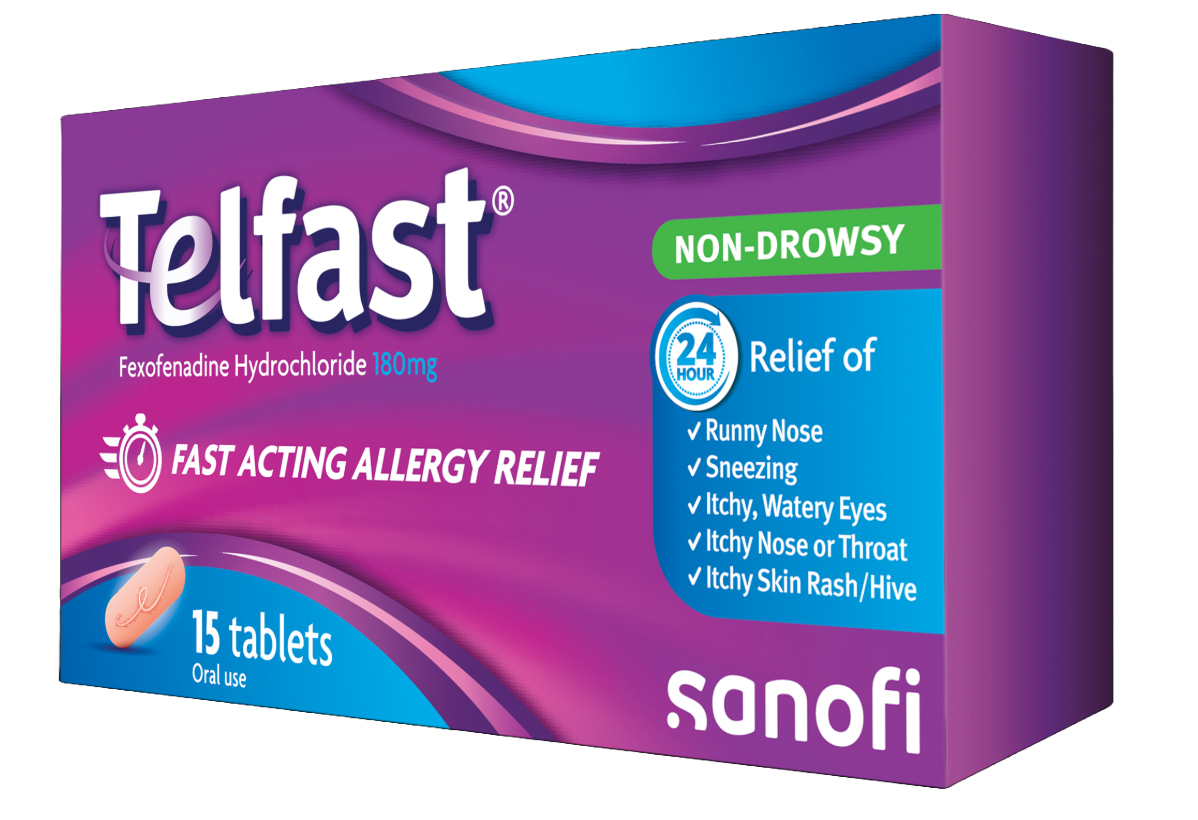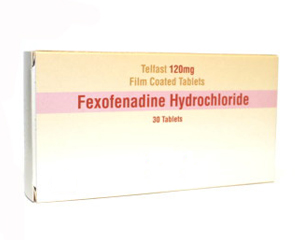
Fexofenadine
Incl. online consultation, medicine and discreet delivery
View Options
The medical information on this site is provided for educational purposes. It does not replace a face-to-face consultation with your GP or specialist. Always follow the advice of your prescribing doctor and read the patient information leaflet supplied with your medication.
Choose Your Medicine
Select dosage and quantity
Online Consultation
Reviewed by a qualified physician
Fast, Discreet Delivery
Delivered to your door
Medical Information
About This Medicine
Fexofenadine is a second-generation (non-sedating) antihistamine used for the symptomatic relief of seasonal allergic rhinitis (hay fever) and chronic idiopathic urticaria (hives).
It is the active metabolite of terfenadine and selectively blocks peripheral H1 histamine receptors without crossing the blood-brain barrier to a significant degree, which accounts for its low incidence of drowsiness.
Fexofenadine provides effective relief from sneezing, rhinorrhoea, nasal and ocular pruritus, and nasal congestion associated with allergic rhinitis.
In chronic urticaria, it reduces the number, size, and intensity of wheals and associated itching.
Its onset of action is within one to three hours, and its effect lasts a full 24 hours, permitting once-daily dosing for most indications.
Unlike first-generation antihistamines, fexofenadine does not impair cognitive function or psychomotor performance and carries no clinically relevant anticholinergic side effects.
It does not prolong the QT interval, which was the safety concern that led to the withdrawal of its parent compound terfenadine.
Usage & Dosage
Take one tablet once daily (for allergic rhinitis) or twice daily (for chronic urticaria), swallowed whole with water.
Avoid taking with fruit juice (especially grapefruit, orange, or apple juice), as these can reduce absorption by up to 36% via inhibition of intestinal OATP transporters.
Take on an empty stomach or at least one to two hours before or after fruit juice. There is no requirement to take the dose at bedtime, as fexofenadine does not cause significant drowsiness.
Seasonal allergic rhinitis in adults and children over 12 years: 120 mg once daily. Chronic idiopathic urticaria in adults: 180 mg once daily. Children aged 6 to 11 years: 30 mg twice daily.
No dose adjustment is generally required in mild to moderate renal or hepatic impairment. In severe renal impairment, a starting dose of 60 mg once daily is recommended.
Side Effects
Common (1 in 10 to 1 in 100): headache, drowsiness (rarely above placebo rates), nausea, dizziness. Uncommon: fatigue, dry mouth, diarrhoea, abdominal discomfort.
Rare: hypersensitivity reactions including rash, urticaria, angioedema, chest tightness, and dyspnoea. Very rare: insomnia, nervousness, tachycardia.
Overall, fexofenadine is very well tolerated, and the incidence of sedation in clinical trials was comparable to placebo.
Warnings & Precautions
Advise patients to avoid concurrent intake of fruit juices around dosing times, as this can substantially reduce drug absorption and efficacy.
Use with caution in severe renal impairment (dose reduction recommended).
Fexofenadine is a substrate of P-glycoprotein; concomitant use with potent P-gp inhibitors such as erythromycin or ketoconazole may increase plasma levels, though this is rarely clinically significant.
Antacids containing aluminium and magnesium reduce absorption; separate doses by at least two hours.
Contraindications
Contraindicated in known hypersensitivity to fexofenadine or any excipient. Caution is advised in severe renal impairment.
There are no absolute contraindications related to cardiac conduction, as fexofenadine does not affect the QT interval at therapeutic or supratherapeutic doses.