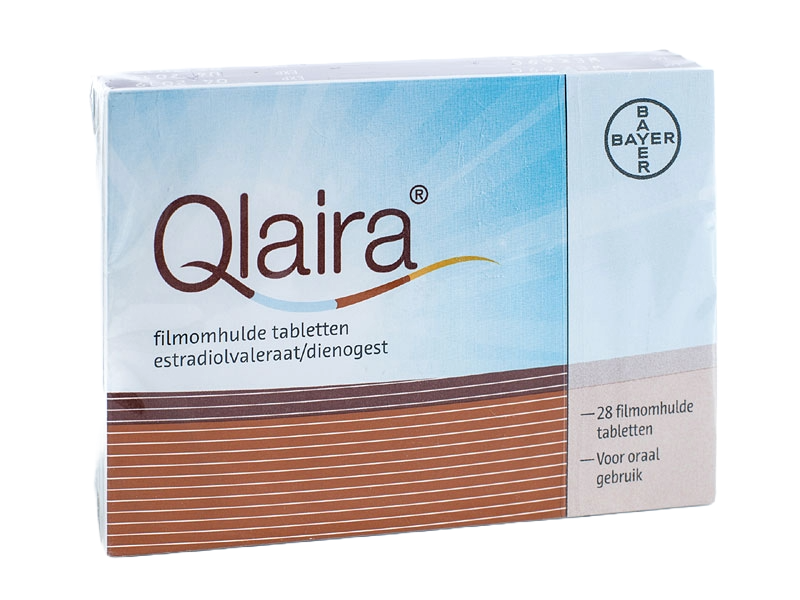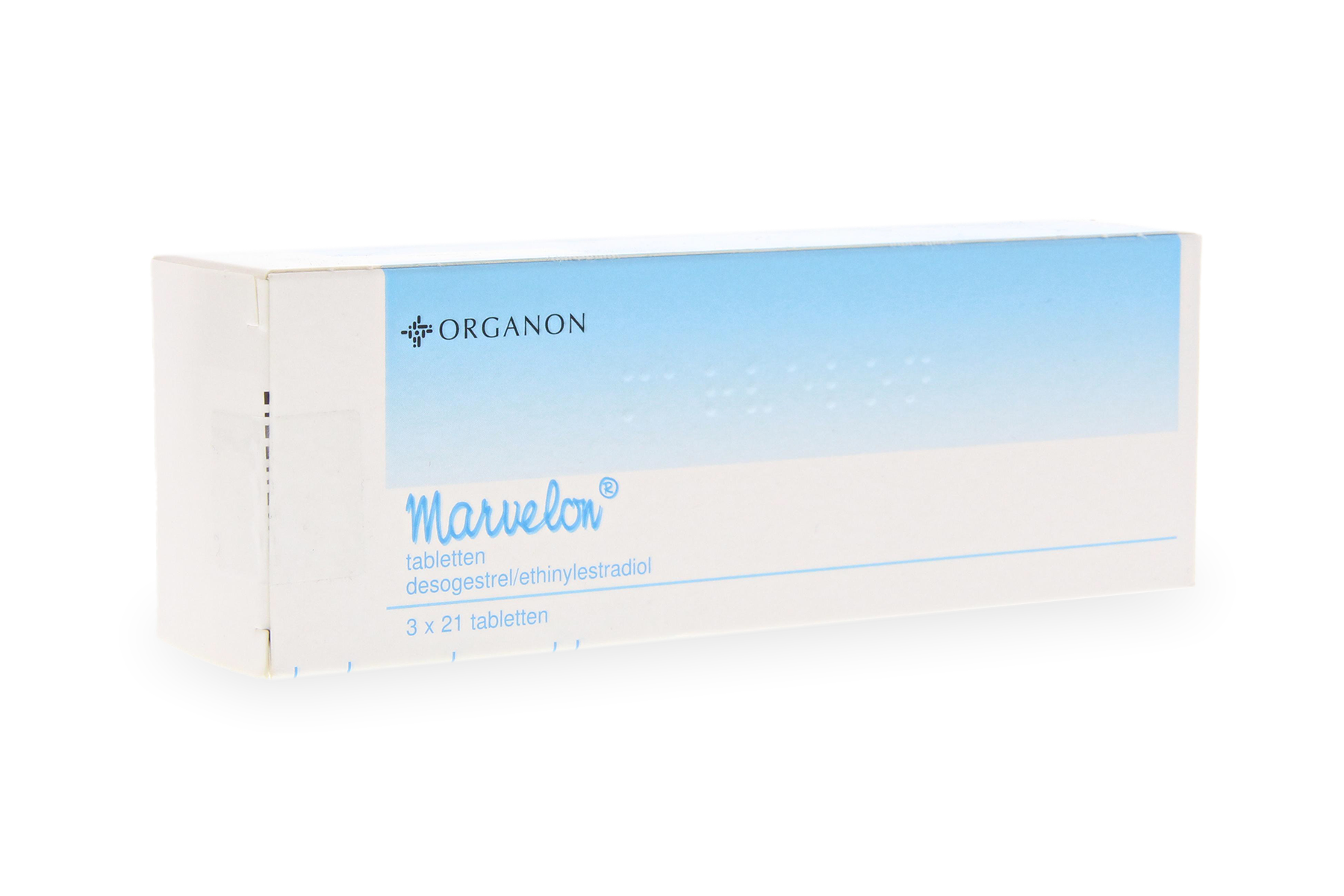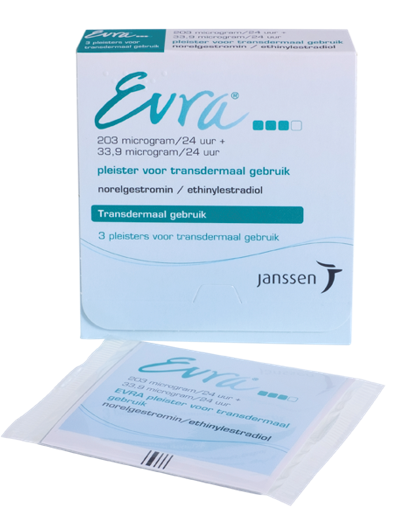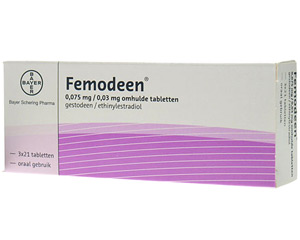
Femodene
Incl. online consultation, medicine and discreet delivery
View Options
The medical information on this site is provided for educational purposes. It does not replace a face-to-face consultation with your GP or specialist. Always follow the advice of your prescribing doctor and read the patient information leaflet supplied with your medication.
Choose Your Medicine
Select dosage and quantity
Online Consultation
Reviewed by a qualified physician
Fast, Discreet Delivery
Delivered to your door
Medical Information
About This Medicine
Femodene is a combined oral contraceptive pill containing ethinylestradiol and gestodene.
It is taken daily to prevent pregnancy by suppressing ovulation, thickening cervical mucus to hinder sperm penetration, and thinning the endometrial lining to reduce the likelihood of implantation.
Ethinylestradiol is a synthetic oestrogen that inhibits the release of follicle-stimulating hormone (FSH) from the pituitary gland, preventing follicular development and ovulation.
Gestodene is a third-generation progestogen that reinforces the contraceptive effect by suppressing the luteinising hormone (LH) surge and altering the uterine and cervical environment.
Femodene is a monophasic pill, meaning each active tablet contains the same dose of hormones.
It is taken for 21 consecutive days followed by a 7-day tablet-free interval, during which a withdrawal bleed usually occurs.
When taken correctly, the combined pill is more than 99 per cent effective at preventing pregnancy.
Beyond contraception, Femodene may improve cycle regularity, reduce menstrual pain, and lessen the heaviness of periods.
It is also associated with a reduced risk of ovarian and endometrial cancer with long-term use.
Usage & Dosage
Take one tablet daily at approximately the same time for 21 consecutive days. Swallow the tablet whole with water.
After completing the 21-day strip, observe a 7-day pill-free interval during which a withdrawal bleed is expected. Start the next strip on day 8 regardless of whether bleeding has stopped.
If you miss a pill by fewer than 12 hours, take it as soon as you remember and continue as normal.
If more than 12 hours have elapsed, follow the missed pill guidance in the patient information leaflet, which varies depending on the week of the cycle.
Vomiting within two hours of taking a pill or severe diarrhoea may impair absorption. Use additional contraception (such as condoms) for seven days if this occurs.
One tablet daily for 21 days, followed by a 7-day hormone-free interval. Each active tablet contains ethinylestradiol 30 micrograms and gestodene 75 micrograms.
No dose adjustment is available; the pill is supplied in a fixed-dose format.
Starting the first pack: begin on day 1 of your menstrual cycle for immediate protection. If starting on days 2 to 5, use additional barrier contraception for the first seven days.
Side Effects
Headache, nausea, breast tenderness, mood changes, and breakthrough bleeding are the most commonly reported side effects, particularly during the first few months of use.
These often settle as the body adjusts to the hormones.
Weight fluctuation, reduced libido, and skin changes (acne improvement or, less commonly, worsening) may also occur.
Increased vaginal discharge or changes in contact lens tolerance have been reported.
Serious but uncommon risks include venous thromboembolism (VTE), affecting approximately 9 to 12 per 10,000 women per year using combined pills containing gestodene, compared with about 2 per 10,000 in non-users.
Arterial events such as heart attack or stroke are rare, particularly in women without additional risk factors.
A small increase in the risk of breast cancer has been observed during current use and for up to ten years after stopping, but the absolute risk remains low in younger women.
Warnings & Precautions
The combined pill increases the risk of blood clots, particularly during the first year of use or when restarting after a break of four or more weeks.
Seek immediate medical attention if you develop sudden leg swelling or pain, chest pain, breathlessness, severe headache, or visual disturbance.
Smoking substantially increases the cardiovascular risk associated with combined oral contraceptives. Women over 35 who smoke should not use Femodene.
Other risk factors for VTE include obesity, prolonged immobilisation, and a family history of thrombosis.
Discuss your full medical history with your prescriber before starting the pill. Regular blood pressure checks are recommended during use.
Contraindications
Femodene is contraindicated in women with a current or past history of venous or arterial thromboembolism, known thrombophilic disorders, severe hepatic disease, hormone-dependent malignancies, undiagnosed vaginal bleeding, or migraine with aura.
It must not be used during pregnancy or in women with major risk factors for cardiovascular disease, including uncontrolled hypertension, diabetes with vascular complications, or a history of pancreatitis associated with severe hypertriglyceridaemia.