Furosemid
Incl. online consultation, medicine and discreet delivery
View Options
The medical information on this site is provided for educational purposes. It does not replace a face-to-face consultation with your GP or specialist. Always follow the advice of your prescribing doctor and read the patient information leaflet supplied with your medication.
Choose Your Medicine
Select dosage and quantity
Online Consultation
Reviewed by a qualified physician
Fast, Discreet Delivery
Delivered to your door
Medical Information
About This Medicine
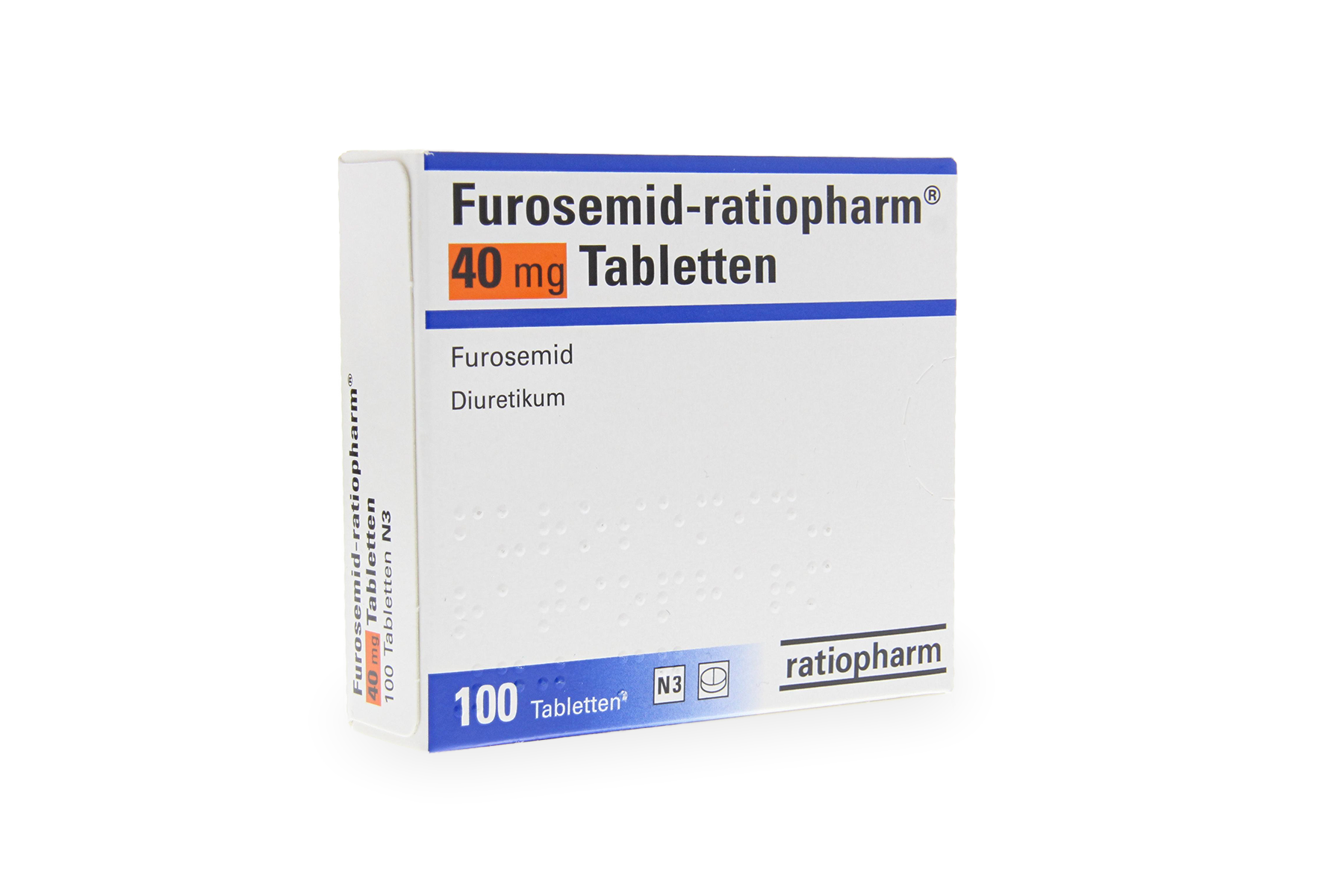
Furosemide is a strong loop diuretic, often called a water tablet. It works on a part of the kidney known as the loop of Henle.
There it blocks a transporter (called NKCC2) that moves sodium, potassium, and chloride. This makes your body pass urine fast and in large amounts, but the effect does not last long.
Doctors prescribe furosemide for oedema, which is fluid build-up in the body.
This can happen with congestive heart failure, liver scarring (hepatic cirrhosis), and kidney disease, including nephrotic syndrome.
It is also used for fluid on the lungs (pulmonary oedema) and for high blood pressure that does not respond to other drugs. Furosemide is one of the most prescribed diuretics in the world.
The WHO lists it as an essential medicine. The BNF advises furosemide as a first-line loop diuretic for fluid overload in heart failure. It starts to work about 30-60 minutes after a tablet.
The strongest effect comes at 1-2 hours, and it lasts about 4-6 hours. Because it acts for a short time, the dose can be fitted around your daily routine.
In urgent cases, doctors can give furosemide as an injection into a vein to remove fluid quickly.
Usage & Dosage
Take furosemide in the morning. This limits the need to pass urine at night, so your sleep is not disturbed. If you need a second dose each day, take it by early afternoon and no later than 2 pm.
Swallow the tablets whole with water. You can take furosemide with or without food. Food may slow how fast it is absorbed, but it does not change how much your body takes in overall.
Keep drinking enough fluid unless your prescriber tells you otherwise. Weigh yourself often, at the same time each day, to track your fluid balance.
Tell your doctor if you gain more than 2 kg in 2-3 days. Do not stop furosemide suddenly if you have heart failure. Stopping can let fluid build up again.
Oedema: The starting dose is 40 mg in the morning. Your doctor may change this to 20-80 mg a day, based on how well it works.
For oedema that is hard to treat, doses of up to 160 mg a day (split into more than one dose) may be needed, but only under specialist care.
Pulmonary oedema (acute): 40-80 mg given into a vein, repeated as needed.
Hypertension: 40-80 mg a day, though loop diuretics are not the first choice for high blood pressure.
If your kidneys do not work well, you may need higher doses to pass enough urine. This can be up to 250-500 mg a day under specialist care. Older patients should start on the lowest dose that works.
Your doctor must check your salts and kidney function often. This means watching potassium, sodium, and creatinine in particular.
Side Effects
Side effects are grouped by how often they happen, based on the SmPC and safety reports.
Very common (≥1/10): Changes in body salts. These include low potassium, low sodium, low chloride, and low magnesium.
Also dehydration and low blood volume (hypovolaemia), especially in older patients.
Common (≥1/100 to <1/10): Low blood pressure, including when you stand up. Also dizziness, headache, feeling sick, a rise in creatinine, and a rise in uric acid (which can trigger gout).
Blood sugar may also rise (hyperglycaemia).
Uncommon (≥1/1,000 to <1/100): Ringing in the ears (tinnitus) and hearing problems. These are usually short-lived and happen more often when the drug is given fast into a vein.
Other effects are itching, hives, rash, sensitivity to sunlight, blurred vision, and a tingling feeling (paraesthesia).
Rare (≥1/10,000 to <1/1,000): Lasting hearing damage (ototoxicity) at very high doses, swelling of the pancreas (pancreatitis), reduced bile flow (cholestasis), kidney inflammation (interstitial nephritis), and serious blood problems such as agranulocytosis, thrombocytopenia, and aplastic anaemia.
A severe skin reaction called Stevens-Johnson syndrome can also occur.
Low potassium (hypokalaemia) is the most important salt change. It can cause muscle cramps, weakness, and an irregular heartbeat. It can also make digoxin more toxic.
Warnings & Precautions
Your doctor must check your blood salts (potassium, sodium, magnesium, calcium), your kidney function (creatinine, urea), and your blood sugar on a regular basis.
You may need potassium supplements, or a potassium-sparing diuretic may be added.
Furosemide makes the ear-damaging effects of aminoglycoside antibiotics worse, so avoid taking them together where you can.
NSAID painkillers can blunt the effect of furosemide and may harm your kidneys, so use them with care. Furosemide can make gout worse by raising uric acid in the blood.
In people with liver scarring (hepatic cirrhosis), a salt imbalance can trigger a brain problem called hepatic encephalopathy.
Before you start, your doctor should rule out an enlarged prostate or a blocked urinary tract, because fast urine flow can cause sudden trouble passing urine.
Contraindications
Do not take furosemide if you pass no urine at all (anuria), or if you have severe kidney failure that does not respond to a furosemide test dose.
Avoid it if you are in or near a coma linked to hepatic encephalopathy, a brain problem caused by liver disease.
Do not use it with very low potassium or very low sodium, or with low blood volume or dehydration. Do not take it if you are allergic to furosemide or to sulphonamides, as the two can cross-react.
It is also unsuitable in Addison's disease. Use it with great care if you also take lithium, because furosemide raises the risk of lithium toxicity.