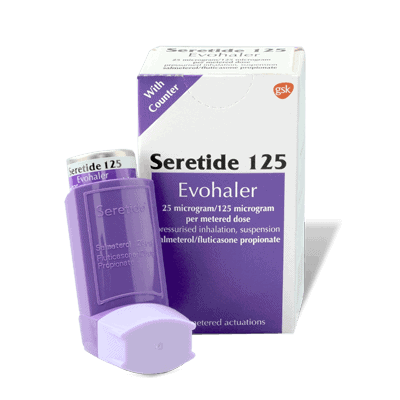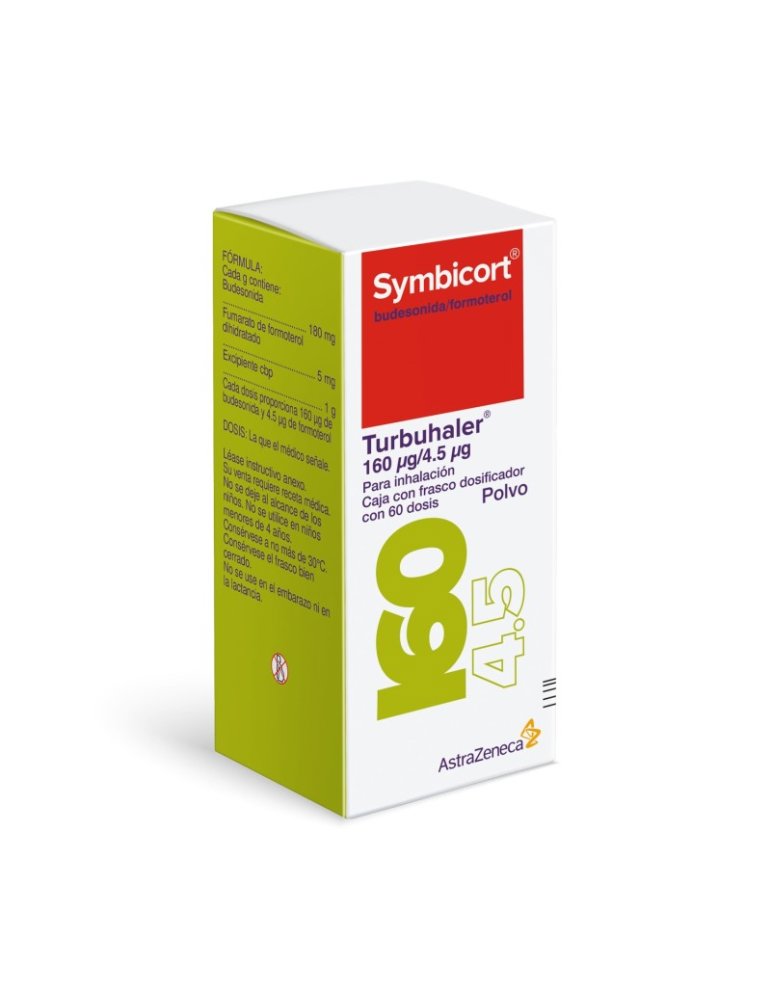
Salmeterol
Incl. online consultation, medicine and discreet delivery
View Options
The medical information on this site is provided for educational purposes. It does not replace a face-to-face consultation with your GP or specialist. Always follow the advice of your prescribing doctor and read the patient information leaflet supplied with your medication.
Choose Your Medicine
Select dosage and quantity
Online Consultation
Reviewed by a qualified physician
Fast, Discreet Delivery
Delivered to your door
Medical Information
About This Medicine
Salmeterol is a long-acting beta-2 agonist (LABA) bronchodilator prescribed for the regular treatment of asthma and chronic obstructive pulmonary disease (COPD).
In asthma, it is always used alongside an inhaled corticosteroid and never as monotherapy. In COPD, it may be used alone or in combination with other maintenance treatments.
Salmeterol acts on beta-2 adrenergic receptors in airway smooth muscle, causing relaxation and sustained bronchodilation.
Its onset of action is slower than that of salbutamol (approximately 10 to 20 minutes versus 3 to 5 minutes), but its effect lasts for approximately 12 hours, allowing twice-daily dosing.
Salmeterol also inhibits mast cell mediator release and reduces microvascular leakage in the airways, contributing to improved symptom control.
It is essential to understand that salmeterol is a preventer bronchodilator and does not replace the need for a short-acting reliever inhaler such as salbutamol.
Patients should keep their reliever inhaler available at all times for acute symptoms.
Usage & Dosage
Inhale two puffs from the salmeterol inhaler twice daily, approximately 12 hours apart, at the same times each day. Shake the inhaler before use if using a metered-dose inhaler.
Breathe out gently, place the mouthpiece between your lips, press the canister while breathing in slowly and deeply, and hold your breath for up to ten seconds.
If using a dry-powder inhaler, follow the device-specific instructions for loading and inhalation.
Do not use salmeterol as a rescue inhaler. If you find yourself needing your reliever inhaler more often than usual, this may indicate worsening asthma control, and you should contact your doctor.
For asthma and COPD in adults: 50 micrograms (two puffs of the 25-microgram metered-dose inhaler, or one inhalation of the 50-microgram dry-powder device) twice daily.
For children aged four and over with asthma: 50 micrograms twice daily via dry-powder inhaler, or two puffs of 25 micrograms twice daily via metered-dose inhaler. Do not exceed the recommended dose.
No dose adjustment is required for renal or hepatic impairment.
Side Effects
Common side effects (1 in 10 to 1 in 100 patients) include headache, tremor, palpitations, and muscle cramps. Throat irritation and hoarseness may occur with inhaler use.
Uncommon effects include tachycardia, anxiety, dizziness, and insomnia.
Rash and hypokalaemia (low potassium) are possible, particularly at higher doses or when combined with other beta-agonists, corticosteroids, or diuretics.
Rare but serious adverse effects include paradoxical bronchospasm (sudden tightening of the airways immediately after inhalation), severe hypersensitivity reactions, cardiac arrhythmias, and significant hypokalaemia.
If you experience sudden worsening of breathlessness after using the inhaler, stop using it and use your reliever inhaler immediately; seek medical attention.
Warnings & Precautions
Salmeterol must not be used as the sole treatment for asthma. It should always be used in combination with an inhaled corticosteroid.
Using a LABA without concurrent anti-inflammatory treatment in asthma increases the risk of severe exacerbations and asthma-related death.
If you are prescribed salmeterol separately from your corticosteroid inhaler, ensure you continue both. Monitor potassium levels if you are also taking diuretics, corticosteroids, or theophylline.
Contraindications
Salmeterol is contraindicated in patients with known hypersensitivity to salmeterol or any excipient. It is not indicated for the relief of acute bronchospasm.
Monotherapy with salmeterol without a concurrent inhaled corticosteroid is contraindicated in asthma.
Use with caution in patients with thyrotoxicosis, ischaemic heart disease, tachyarrhythmias, or hypertrophic obstructive cardiomyopathy.