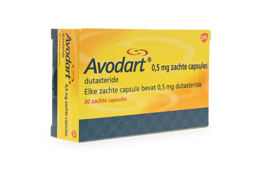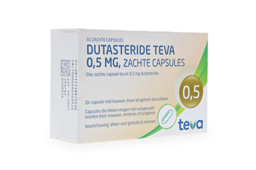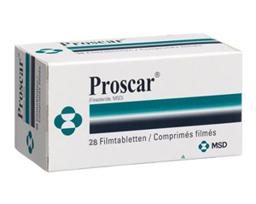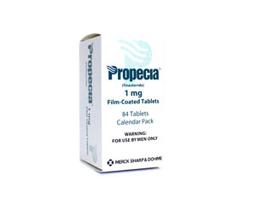
Finasteride
Incl. online consultation, medicine and discreet delivery
View Options
The medical information on this site has been reviewed by Dr. Ross Elledge (GMC registered) and is provided for educational purposes. It does not replace a face-to-face consultation with your GP or specialist. Always follow the advice of your prescribing doctor and read the patient information leaflet supplied with your medication.
Choose Your Medicine
Select dosage and quantity
Online Consultation
Reviewed by a qualified physician
Fast, Discreet Delivery
Delivered to your door
Medical Information
About This Medicine
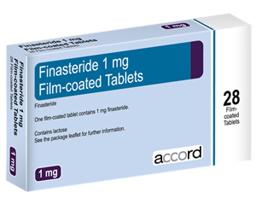
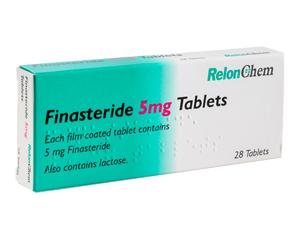
Finasteride is a 5-alpha reductase inhibitor available in two strengths: 1 mg for male-pattern hair loss (androgenetic alopecia) and 5 mg for benign prostatic hyperplasia (BPH).
The active substance is the same in both cases; only the indication and dose differ.
Finasteride blocks the type II isoenzyme of 5-alpha reductase, which converts testosterone to its more potent metabolite dihydrotestosterone (DHT).
In the scalp, DHT drives the miniaturisation of genetically susceptible hair follicles. In the prostate, DHT stimulates glandular growth.
By lowering DHT levels, finasteride slows hair loss and reduces prostate volume.
Hair Loss (1 mg)
At the 1 mg dose, finasteride lowers scalp DHT by approximately 60-70%. Clinical trials show that around 83% of men maintain or increase hair count over two years.
The benefit is seen predominantly at the vertex and mid-scalp.
Benign Prostatic Hyperplasia (5 mg)
At the 5 mg dose, finasteride reduces prostate volume by 20-30% over 6-12 months, improves urinary flow, and significantly reduces the risk of acute urinary retention and surgical intervention.
It approximately halves the serum PSA level, which must be accounted for in prostate cancer screening.
Usage & Dosage
How to Take Finasteride
Swallow one tablet daily with water, with or without food. Take it at the same time each day for consistent blood levels.
For Hair Loss (1 mg)
Expect at least three to six months of daily use before visible improvement. Hair loss resumes within 6-12 months of stopping. Long-term use is needed to maintain results.
For BPH (5 mg)
At least six months of continuous treatment is needed before the full benefit on urinary symptoms and prostate volume is seen.
Handling Precautions
Women who are or may become pregnant must not handle broken or crushed finasteride tablets.
The drug can be absorbed through the skin and may cause abnormalities of the external genitalia in a developing male foetus. Intact coated tablets are safe to handle.
Androgenetic Alopecia
- 1 mg once daily (men aged 18-41)
Benign Prostatic Hyperplasia
- 5 mg once daily
Duration
- Hair loss: long-term, reviewed periodically
- BPH: long-term; prostate regrows on stopping
Renal Impairment
- No dose adjustment
Hepatic Impairment
- Limited data; use with caution
Not For Use In
- Women
- Children and adolescents
- Patients using both 1 mg and 5 mg concurrently
Side Effects
Common (up to 1 in 10 patients, especially in the first year)
- Decreased libido
- Erectile dysfunction
- Reduced ejaculate volume
Uncommon (up to 1 in 100 patients)
- Breast tenderness or gynaecomastia
- Ejaculation disorder
- Rash
Rare (up to 1 in 1,000 patients)
- Depression
- Allergic reactions (pruritus, urticaria, angioedema)
- Testicular pain
- Elevated liver enzymes
Post-Marketing Reports (frequency indeterminate)
- Persistent sexual dysfunction reported after discontinuation (causality debated)
- Anxiety
- Male breast cancer (very rare; causal link not established)
Sexual side effects are the most commonly cited reason for discontinuation.
They occur in a minority and usually resolve on stopping, though persistent effects have been reported in a small number of cases.
Warnings & Precautions
PSA and Prostate Cancer Screening
Finasteride 5 mg approximately halves serum PSA. Any sustained rise in PSA during treatment, even within the normal range, should be investigated.
Finasteride 1 mg also reduces PSA, though to a lesser degree. Inform any new doctor or laboratory that you take finasteride.
Sexual Side Effects
Discuss the possibility of decreased libido, erectile dysfunction, and persistent post-discontinuation effects with the patient before starting treatment.
Female Exposure
Pregnant women and women who may become pregnant must not handle crushed or broken tablets. Finasteride is classified as a teratogen for male foetuses. Intact tablets have a protective coating.
Mood
Monitor for depression or low mood. Report persistent changes to your prescriber.
Blood Donation
Do not donate blood while taking finasteride or for one month after stopping, to prevent the possibility of a pregnant woman receiving the drug via transfusion.
Contraindications
Do not take finasteride if you:
- Are a woman (not indicated; teratogenic risk in pregnancy)
- Are a child or adolescent
- Have a known hypersensitivity to finasteride or any excipient
- Are taking both the 1 mg and 5 mg dose simultaneously
Women of childbearing potential must avoid contact with crushed or broken tablets.
Finasteride is not licensed for use in women for hair loss, and its use in premenopausal women of childbearing potential is contraindicated without highly effective contraception.
Frequently Asked Questions
Is finasteride 1 mg the same drug as finasteride 5 mg?
How long before I see results for hair loss?
Can finasteride cause permanent sexual side effects?
Does finasteride affect prostate cancer risk?
Why must my doctor adjust my PSA result?
Related articles: Finasteride
Finasteride side effects: what every patient should know
Finasteride is a 5-alpha reductase inhibitor used for male pattern hair loss (1 mg) and benign prostatic hyperplasia (5 mg). The most discussed side effects are sexual in nature, including reduced libido and erectile dysfunction, affecting 1 to 2 per cent of users. Most side effects resolve on stopping the medication. The MHRA has issued guidance on the rare risk of persistent sexual side effects and mood changes.
nhs-infoFinasteride: NHS prescribing information and patient guide
Finasteride is available on the NHS for benign prostatic hyperplasia (BPH) at the 5 mg dose, but the 1 mg dose for hair loss is generally not funded by the NHS and requires a private prescription. It is taken once daily and works by reducing levels of dihydrotestosterone (DHT). Regular monitoring is not routinely required for the 1 mg dose but is recommended for patients on the 5 mg dose for BPH.
hair-lossFinasteride for hair loss: effectiveness, results, and what to expect
Finasteride 1 mg daily is the most effective oral treatment for male pattern hair loss. Clinical trials show that 83 per cent of men who take it maintain their hair, and around two-thirds experience some regrowth. Results take 3 to 6 months to become visible and require continued use. It works by reducing DHT levels, the hormone responsible for follicle miniaturisation in genetically susceptible men.
Dr. Ross Elledge
Consultant Surgeon · Oral & Maxillofacial Surgery
Verified Healthcare Professional