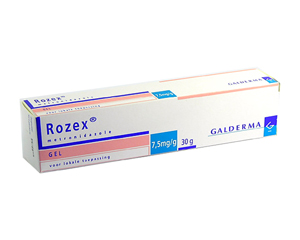
Rozex
Incl. online consultation, medicine and discreet delivery
View Options
The medical information on this site is provided for educational purposes. It does not replace a face-to-face consultation with your GP or specialist. Always follow the advice of your prescribing doctor and read the patient information leaflet supplied with your medication.
Choose Your Medicine
Select dosage and quantity
Online Consultation
Reviewed by a qualified physician
Fast, Discreet Delivery
Delivered to your door
Medical Information
About This Medicine
Rozex contains metronidazole in a topical gel or cream formulation, prescribed for the treatment of inflammatory papules, pustules, and erythema associated with rosacea.
It is one of the most commonly used first-line topical treatments for this chronic facial skin condition.
The precise mechanism by which metronidazole improves rosacea is not fully understood, but it is thought to involve anti-inflammatory and antioxidant effects rather than a purely antimicrobial action.
Metronidazole reduces the production of reactive oxygen species by neutrophils and modulates the innate immune response in the skin, which plays a central role in rosacea pathogenesis.
Rosacea is a chronic relapsing condition characterised by persistent facial redness, flushing, papules, pustules, and sometimes rhinophyma.
It most commonly affects the central face, including the cheeks, nose, chin, and forehead. Triggers include sunlight, heat, alcohol, spicy foods, stress, and certain skincare products.
Rozex is effective primarily for the papulopustular subtype of rosacea.
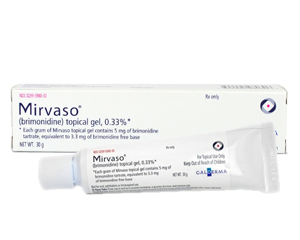
It has limited impact on persistent background erythema and telangiectasia, which may require alternative treatments such as brimonidine gel, laser therapy, or intense pulsed light.
Usage & Dosage
Apply a thin layer of Rozex gel or cream to the affected areas of the face once or twice daily, after gentle cleansing and drying. Avoid the eyes, mouth, and nostrils.
Wash your hands after application.
Treatment duration is typically eight to twelve weeks for the initial course. Many patients require intermittent maintenance therapy, as rosacea is a chronic condition prone to relapse.
Your prescriber will guide the frequency of repeat courses.
Use gentle, fragrance-free skincare products alongside Rozex. Avoid harsh cleansers, abrasive exfoliants, and alcohol-based toners, as these may exacerbate rosacea.
Apply thinly to the affected facial areas once or twice daily. The usual initial course is 8 to 12 weeks. If symptoms recur after stopping, a further course may be prescribed.
Some patients benefit from long-term maintenance with once-daily application.
No dose adjustment is needed for renal or hepatic impairment with topical use, as systemic absorption from the gel is minimal.
Side Effects
Local skin irritation, including dryness, burning, stinging, and redness, is the most common side effect and occurs in approximately 5 to 10 per cent of users.
These effects are usually mild and transient.
Contact dermatitis may develop in a small number of patients. A temporary worsening of rosacea at the start of treatment is reported occasionally.
Systemic side effects are very rare with topical metronidazole, as only trace amounts are absorbed through the skin.
Metallic taste, nausea, and peripheral neuropathy, which are associated with oral metronidazole, do not occur at a meaningful rate with the topical formulation.
Photosensitivity has been reported in isolated cases. Protect the face from excessive sun exposure during treatment.
Warnings & Precautions
Topical metronidazole may increase the skin's sensitivity to sunlight. Apply sunscreen daily during treatment and avoid prolonged sun exposure, as UV light is also a common rosacea trigger.
Avoid contact with the eyes, as the gel may cause irritation. If accidental eye contact occurs, rinse thoroughly with water.
If rosacea does not improve after 12 weeks, or if it worsens, seek a dermatological review.
Inform your prescriber if you are pregnant, breastfeeding, or taking anticoagulants such as warfarin.
Although systemic absorption is negligible, topical metronidazole should be used in pregnancy only when clearly needed.
Contraindications
Rozex is contraindicated in patients with known hypersensitivity to metronidazole, other nitroimidazole derivatives, or any excipient in the formulation.
Avoid application to eczematous or severely broken skin, as this may increase absorption. Do not use for conditions other than rosacea unless directed by a dermatologist.