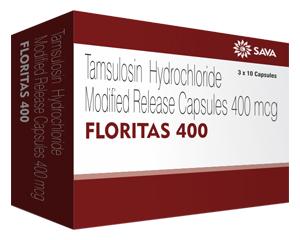
Tamsulosine MR
Incl. online consultation, medicine and discreet delivery
View Options
The medical information on this site has been reviewed by Dr. Ross Elledge (GMC registered) and is provided for educational purposes. It does not replace a face-to-face consultation with your GP or specialist. Always follow the advice of your prescribing doctor and read the patient information leaflet supplied with your medication.
Choose Your Medicine
Select dosage and quantity
Online Consultation
Reviewed by a qualified physician
Fast, Discreet Delivery
Delivered to your door
Medical Information
About This Medicine
Tamsulosin is an alpha-1A adrenergic receptor antagonist (alpha-blocker) prescribed for the symptomatic treatment of benign prostatic hyperplasia (BPH).
It relaxes smooth muscle in the prostate gland and bladder neck, improving urinary flow and reducing the bothersome lower urinary tract symptoms associated with an enlarged prostate.
Tamsulosin is highly selective for the alpha-1A receptor subtype, which predominates in the prostate, bladder neck, and urethra.
This selectivity means it has less effect on vascular alpha-1B receptors, resulting in fewer blood-pressure-related side effects compared with older, non-selective alpha-blockers such as doxazosin.
Symptom Relief
Patients typically notice improved urinary flow and reduced urgency, frequency, nocturia, and hesitancy within one to two weeks of starting treatment.
Tamsulosin does not shrink the prostate and does not affect PSA levels, so it can be combined with a 5-alpha reductase inhibitor (e.g.
, finasteride) in men with larger glands who need both symptomatic relief and prostate volume reduction.
Tamsulosin is also used off-label to facilitate the spontaneous passage of ureteric stones.
Usage & Dosage
How to Take Tamsulosin
Swallow the modified-release capsule whole after breakfast or the first meal of the day.
Do not crush, chew, or open the capsule, as this destroys the modified-release mechanism and may cause a rapid spike in drug levels.
Consistency
Take at the same time each day. Missing doses can cause the return of urinary symptoms.
Before Cataract Surgery
Inform your ophthalmologist if you are taking or have ever taken tamsulosin. The drug causes intraoperative floppy iris syndrome (IFIS), which can complicate cataract surgery.
Your surgeon needs to prepare for this.
Adults
- 400 micrograms (0.4 mg) once daily, taken after a meal
No Dose Titration
- Tamsulosin MR capsules are a fixed 400 microgram dose
Renal Impairment
- No dose adjustment unless creatinine clearance is below 10 mL/min
Hepatic Impairment
- No dose adjustment for mild to moderate impairment
- Severe impairment: not studied; use with caution
Elderly
- No specific dose reduction required
Children
- Not indicated for children
Side Effects
Common (up to 1 in 10 patients)
- Dizziness, especially when standing up quickly
- Abnormal ejaculation (retrograde or reduced ejaculate volume)
- Rhinitis (nasal congestion)
- Headache
Uncommon (up to 1 in 100 patients)
- Postural hypotension
- Palpitations
- Nausea, diarrhoea, or constipation
- Rash or pruritus
Rare (up to 1 in 1,000 patients)
- Syncope (fainting)
- Angioedema
- Priapism
Very Rare (fewer than 1 in 10,000 patients)
- Intraoperative floppy iris syndrome during cataract surgery
- Stevens-Johnson syndrome
- Erythema multiforme
Abnormal ejaculation is the most frequently reported side effect and occurs because tamsulosin relaxes the bladder neck, allowing semen to flow backward into the bladder.
Warnings & Precautions
First-Dose Hypotension
Although tamsulosin is less likely to cause postural hypotension than non-selective alpha-blockers, it can still occur, particularly in elderly or volume-depleted patients.
Rise slowly from sitting or lying positions during the first few days.
Cataract Surgery (IFIS)
Intraoperative floppy iris syndrome can occur during cataract surgery in patients currently or previously taking tamsulosin. Inform your eye surgeon well in advance.
Do not stop tamsulosin before surgery without ophthalmological advice.
Prostate Cancer
BPH and prostate cancer can coexist. Tamsulosin treats symptoms only and does not exclude malignancy. Ensure appropriate screening with PSA and digital rectal examination.
PDE5 Inhibitors
Co-administration with sildenafil, tadalafil, or vardenafil may enhance the blood-pressure-lowering effect. Start the PDE5 inhibitor at the lowest dose.
Contraindications
Do not take tamsulosin if you have:
- A known hypersensitivity to tamsulosin hydrochloride or any excipient
- A history of orthostatic hypotension (postural drop causing fainting)
- Severe hepatic impairment
Tamsulosin should be used with caution in patients with severe renal impairment (creatinine clearance below 10 mL/min) and in those scheduled for cataract surgery.
Frequently Asked Questions
How quickly does tamsulosin improve urinary symptoms?
Does tamsulosin shrink the prostate?
Why does tamsulosin affect ejaculation?
Do I need to tell my eye surgeon about tamsulosin?
Can tamsulosin be taken with finasteride?
Related articles: Tamsulosine MR
Tamsulosin side effects: a complete guide
Tamsulosin is an alpha-blocker used to relieve urinary symptoms caused by an enlarged prostate (BPH). Common side effects include dizziness, abnormal ejaculation and nasal congestion. Serious but rare effects such as severe hypotension and priapism require urgent medical attention.
dosageTamsulosin dosage guide: how much to take and when
The standard tamsulosin dose for benign prostatic hyperplasia (BPH) is 400 micrograms once daily, taken after a meal. It is available as a modified-release capsule and does not usually require dose adjustment. This guide covers the correct dosage, timing, missed doses and special considerations.
Dr. Ross Elledge
Consultant Surgeon · Oral & Maxillofacial Surgery
Verified Healthcare Professional