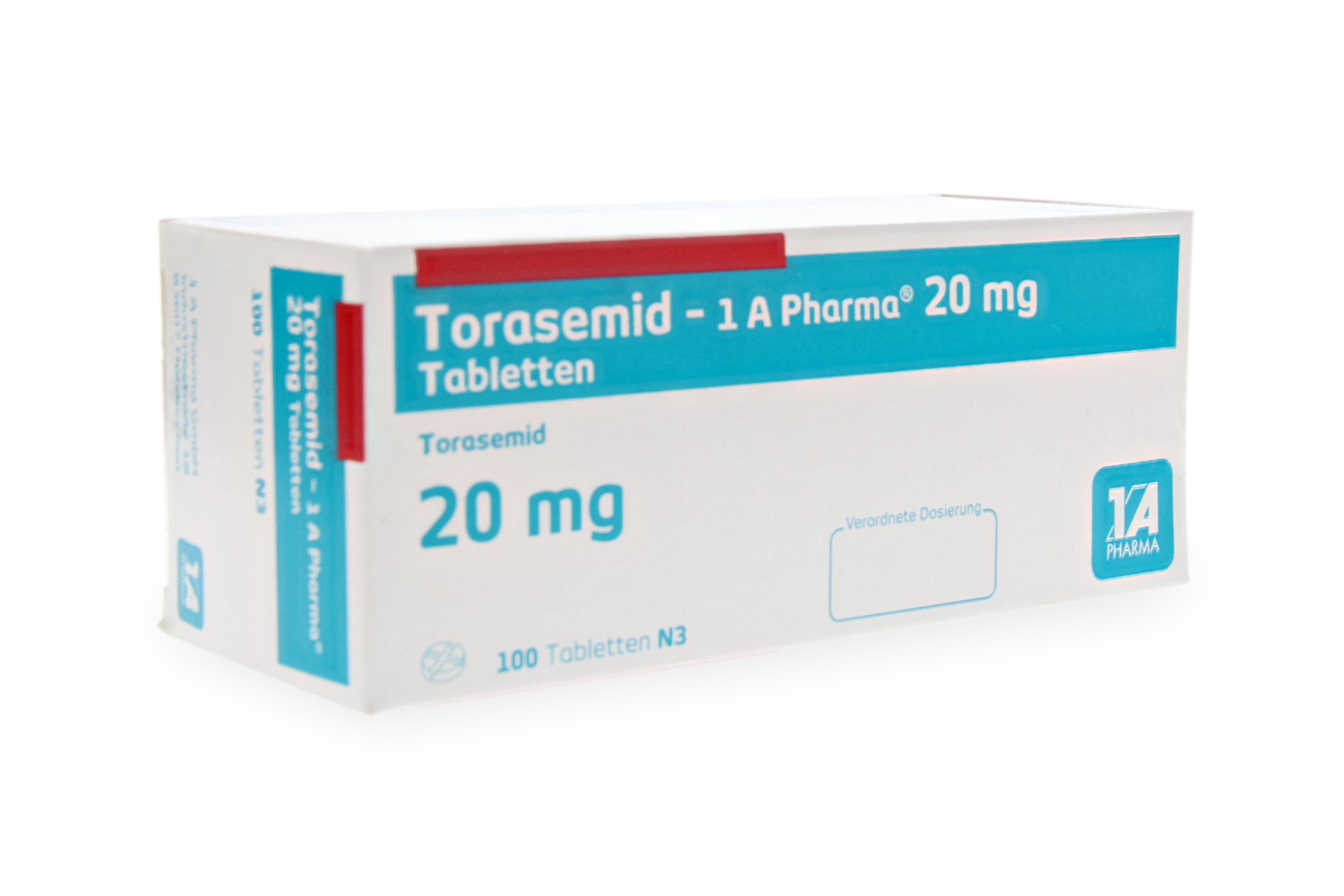
Torasemide
Incl. online consultation, medicine and discreet delivery
View Options
The medical information on this site is provided for educational purposes. It does not replace a face-to-face consultation with your GP or specialist. Always follow the advice of your prescribing doctor and read the patient information leaflet supplied with your medication.
Choose Your Medicine
Select dosage and quantity
Online Consultation
Reviewed by a qualified physician
Fast, Discreet Delivery
Delivered to your door
Medical Information
About This Medicine
Torasemide is a loop diuretic used in the management of oedema associated with heart failure, hepatic cirrhosis, and renal disease, as well as for the treatment of hypertension.
It acts on the ascending limb of the loop of Henle in the kidney, inhibiting sodium and chloride reabsorption and promoting water excretion.
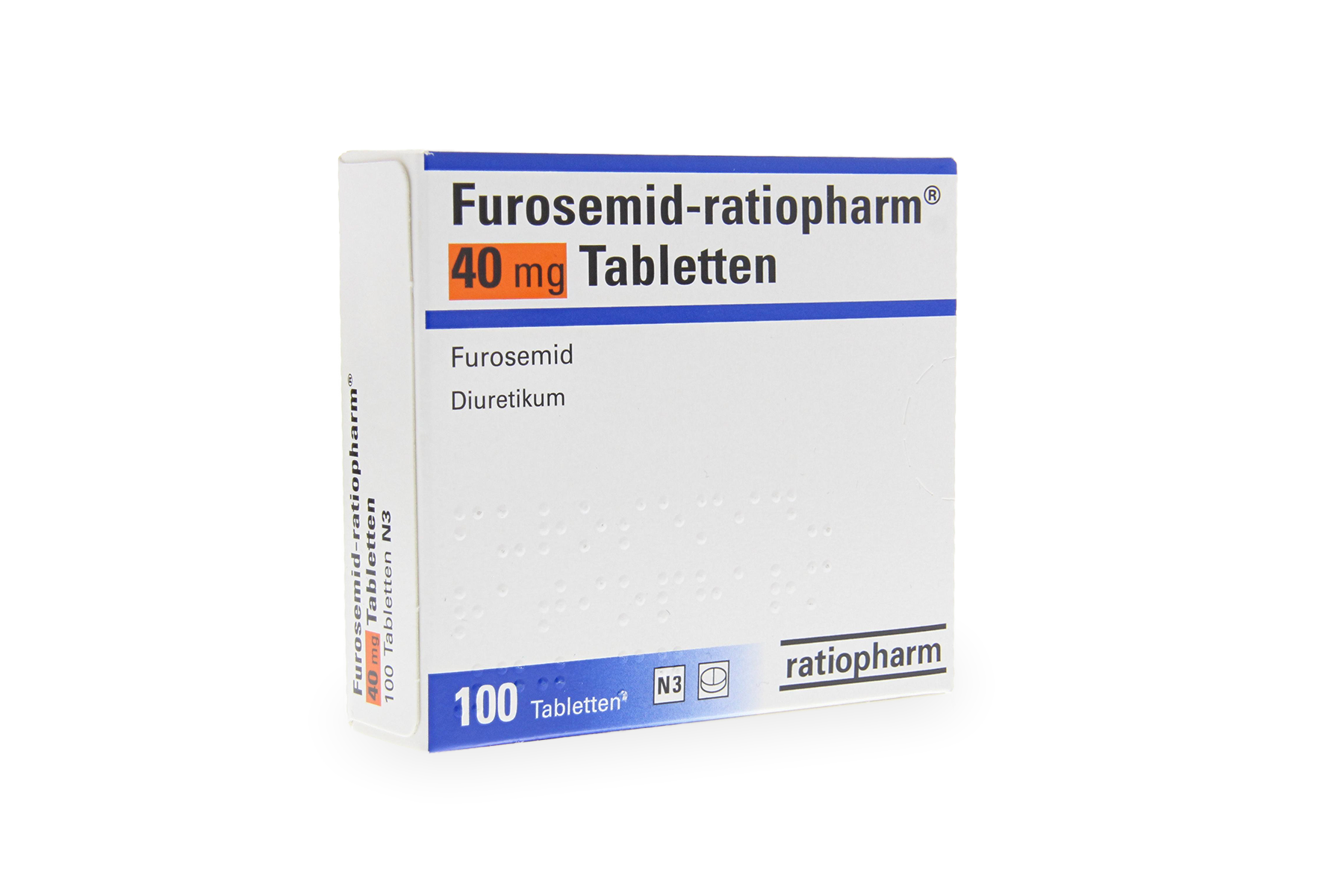
Torasemide offers several pharmacokinetic advantages over furosemide, including higher oral bioavailability (approximately 80% compared to 50% for furosemide), a longer duration of action (12-16 hours versus 4-6 hours), and more predictable absorption.
These properties result in a smoother diuretic effect with less rebound sodium retention.
Clinical studies have suggested that torasemide may be associated with fewer hospitalisations and improved outcomes in heart failure patients compared to furosemide, making it an increasingly preferred choice in this setting.
It is available as immediate-release and prolonged-release tablets.
Usage & Dosage
Take once daily in the morning to avoid night-time urination. Swallow tablets whole with water. Can be taken with or without food.
Your doctor will monitor your weight, blood pressure, kidney function, and electrolyte levels during treatment.
Drink adequate fluids but follow any fluid restriction advice given by your doctor if you have heart failure.
Oedema in heart failure: start at 5 mg once daily, may be increased to 20 mg daily; maximum 40 mg daily. Oedema in hepatic or renal disease: start at 5 mg, may increase to 40 mg daily.
Hypertension: 2.5-5 mg once daily. Dose equivalence: 10-20 mg torasemide is approximately equivalent to 40 mg furosemide.
Side Effects
Common (1 in 10 to 1 in 100): increased urination (expected pharmacological effect), dizziness, headache, and fatigue.
Uncommon (1 in 100 to 1 in 1,000): hypokalaemia, hyponatraemia, hyperuricaemia, muscle cramps, nausea, and dry mouth.
Rare (less than 1 in 1,000): hearing impairment (usually with rapid intravenous administration), severe electrolyte disturbance, and photosensitivity.
Gout may be precipitated in susceptible individuals due to raised uric acid levels.
Warnings & Precautions
Monitor serum potassium, sodium, and renal function regularly, particularly when starting treatment or changing doses.
Dehydration can occur - watch for symptoms such as thirst, dizziness, and reduced urine output. Use with caution in patients with hepatic encephalopathy risk. May worsen gout.
Concurrent use with aminoglycoside antibiotics increases the risk of ototoxicity.
Contraindications
Known allergy to torasemide or sulfonamides (cross-reactivity is possible). Anuria or severe progressive renal failure. Hepatic coma or pre-coma. Severe hypokalaemia or hyponatraemia.
Hypovolaemia or dehydration. Breastfeeding.