
Women's Health Treatments from UK-Registered Doctors
Menopause affects every woman. Yet 75% say their symptoms badly hurt their quality of life. As a GP, I follow NICE NG23 guidelines. I offer HRT plans suited to each woman. These plans ease hot flushes and night sweats in 85-90% of women within 4 weeks. Oestrogen patches and gels (transdermal oestrogen) carry no extra blood clot risk compared with tablets. This makes them the safer first choice.
Oestradiol patches or gel (transdermal) carry no extra blood clot (VTE) risk and are the NICE first choice for menopausal HRT
Body-identical micronised progesterone (Utrogestan 100 mg) protects the womb lining and has a better safety record
HRT started within 10 years of menopause lowers heart problems and overall death rates, per the WHI reanalysis
Vaginal oestrogen (Vagifem 10 mcg or Ovestin cream) can be used long-term for vaginal and bladder symptoms without whole-body risk
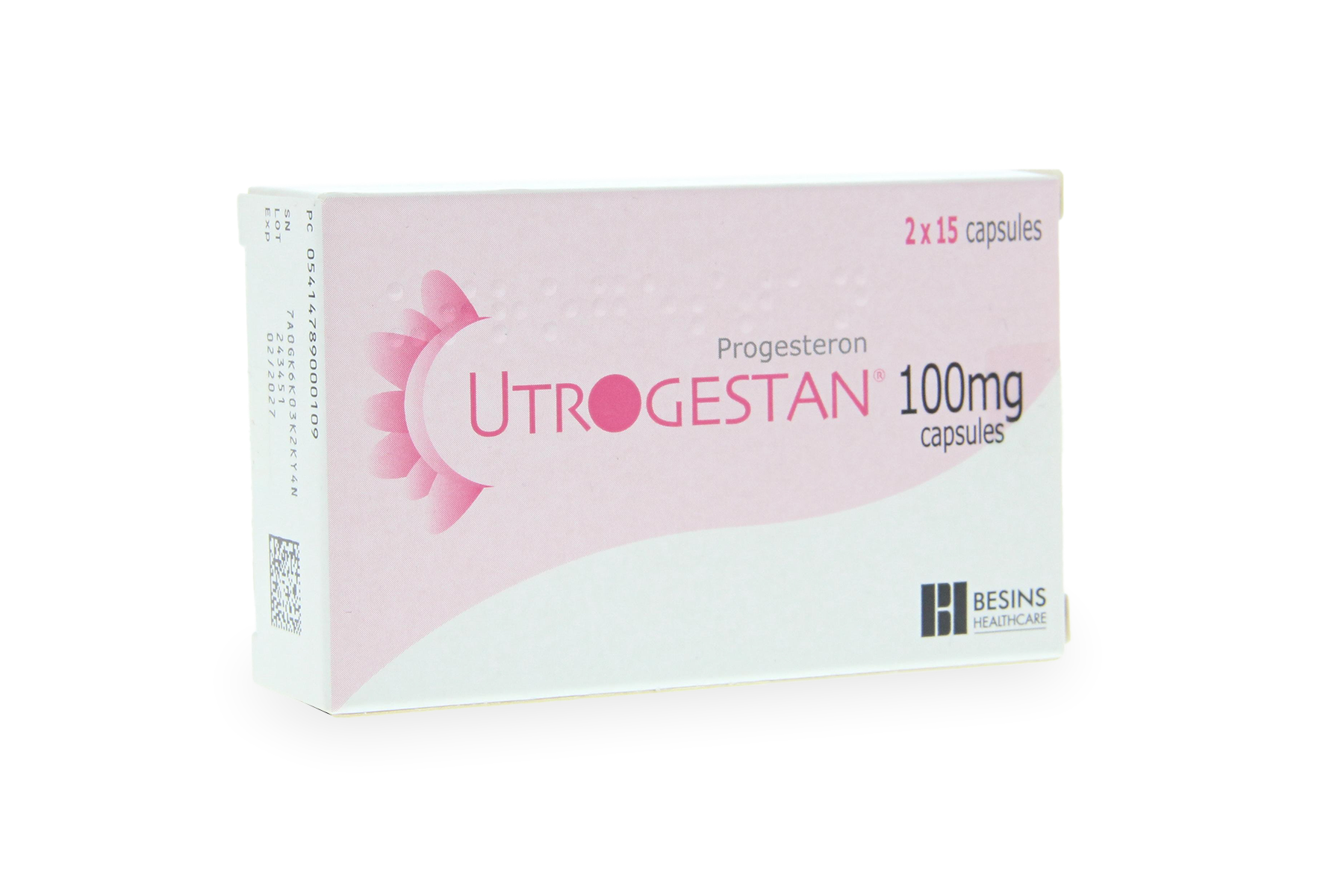
Utrogestan
Vagifem
Kliovance
Femoston
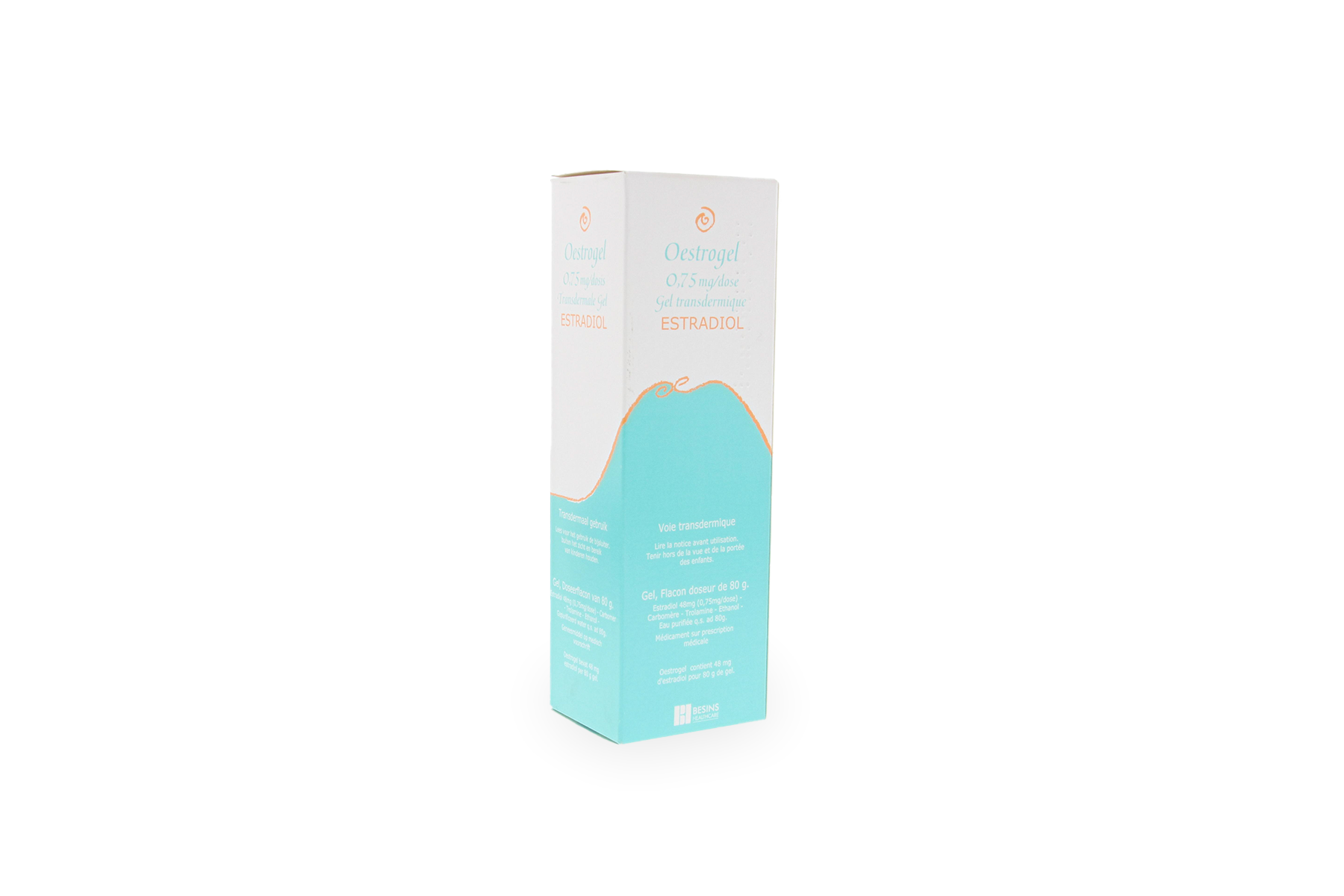
Oestrogel
Kliofem
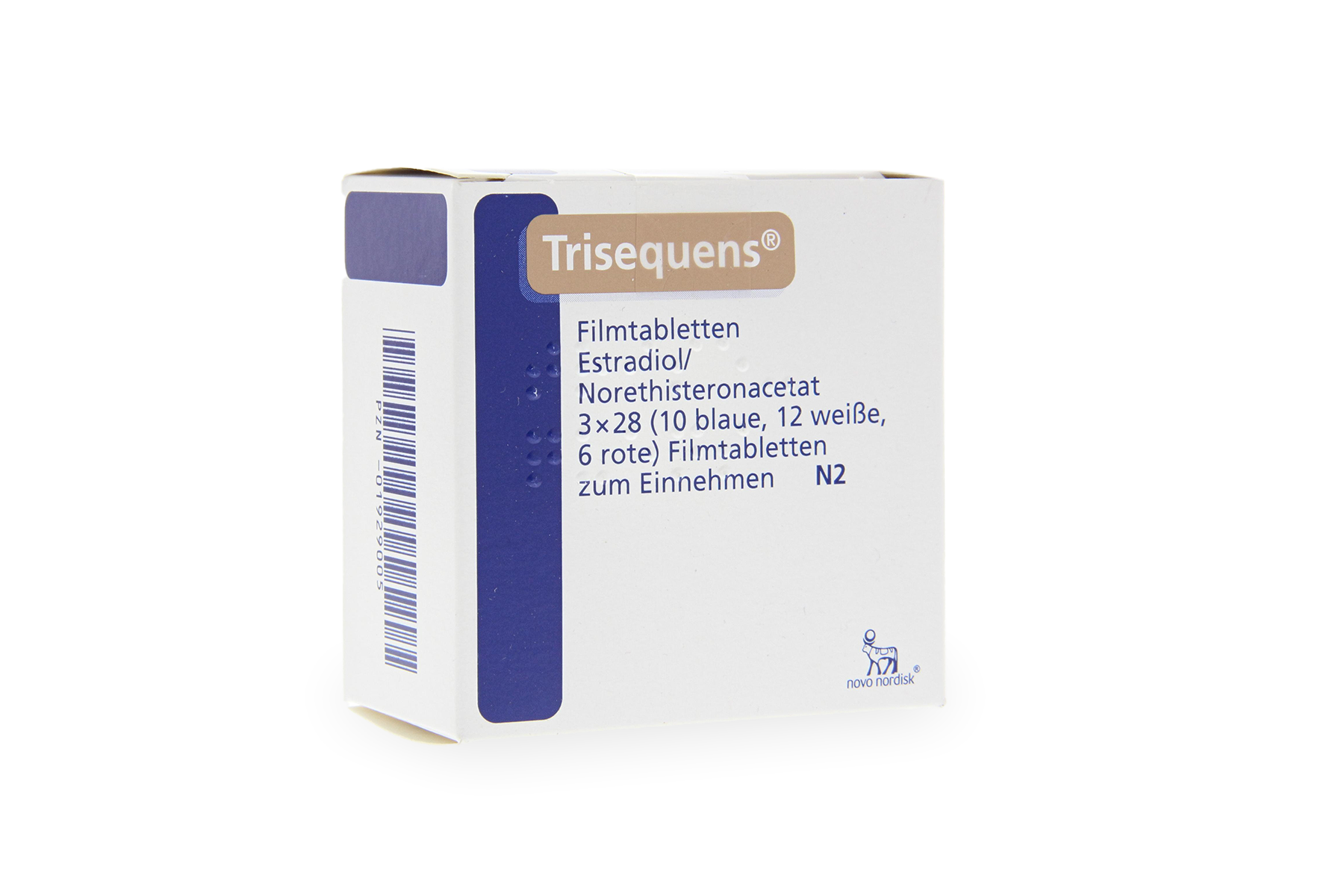
Trisequens
Provera
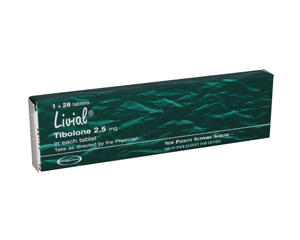
Livial
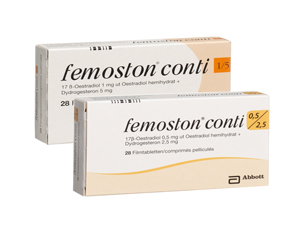
Femoston Conti

Zumenon
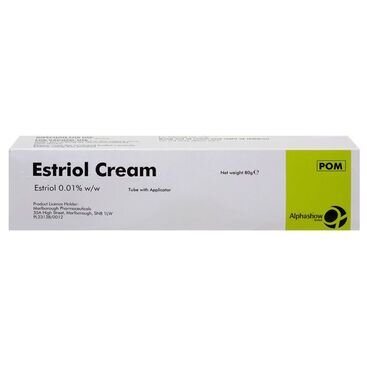
Estriol
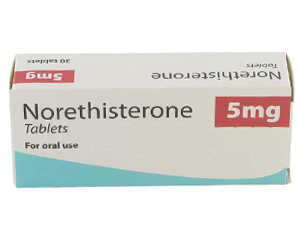
Norethisterone
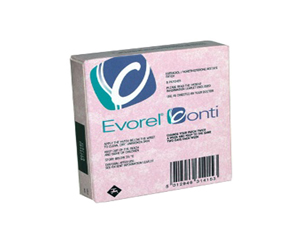
Evorel Conti
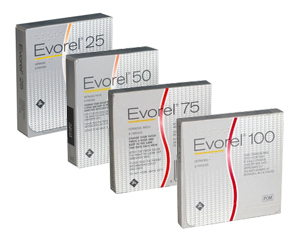
Evorel
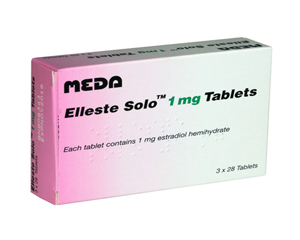
Elleste Solo
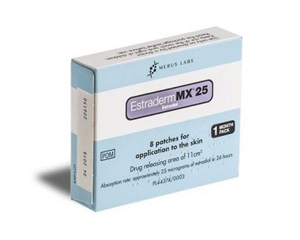
Estraderm MX
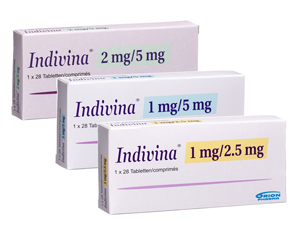
Indivina
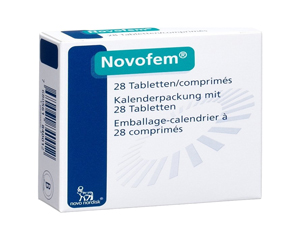
Novofem
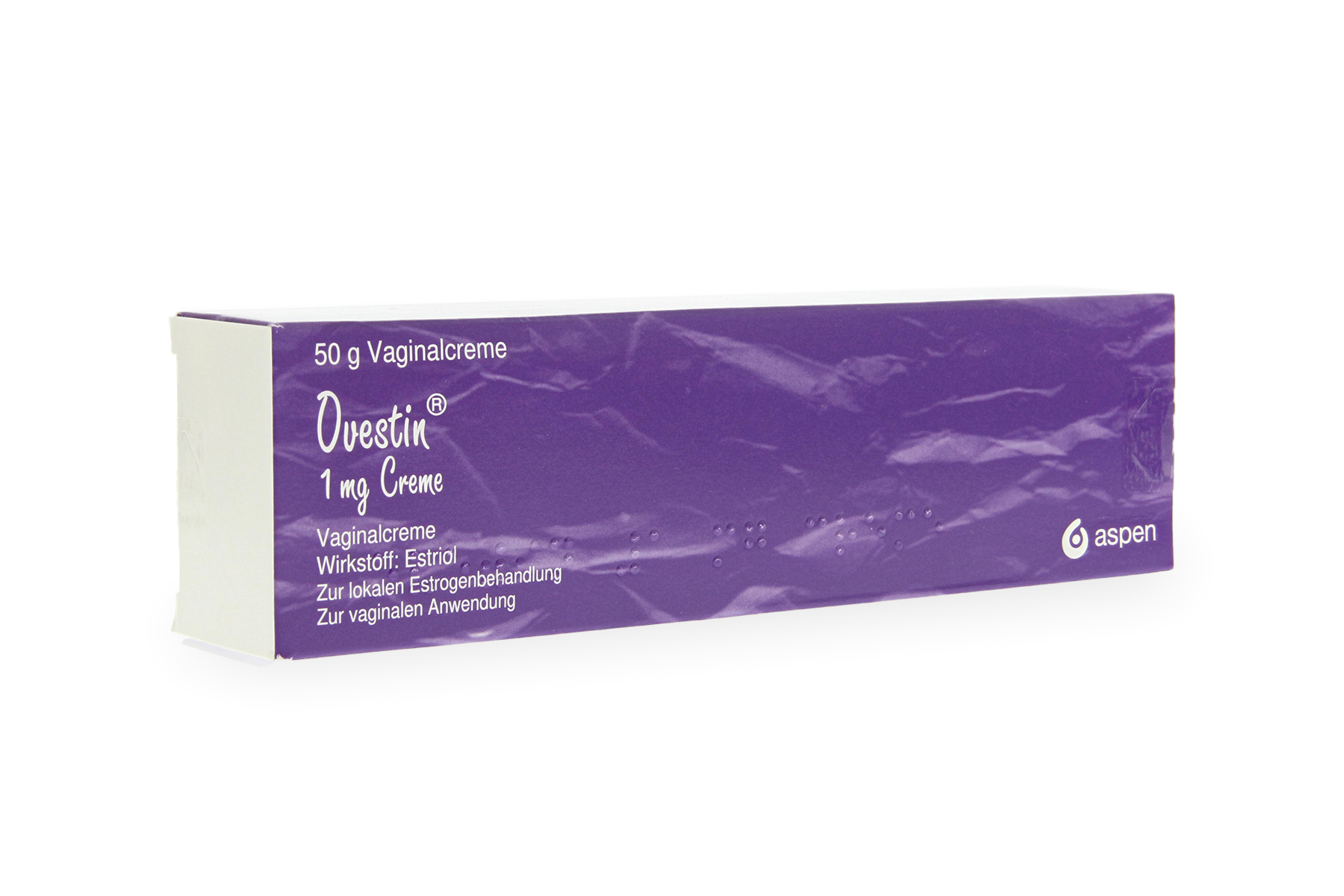
Ovestin
About Women's Health
Understanding Menopause and Perimenopause
Menopause means 12 months in a row without a period. It marks the point when the ovaries stop making oestradiol for good. In the UK, the average age at menopause is 51.
But the perimenopause usually starts 4-8 years earlier, around age 45-47. During perimenopause, hormones swing up and down, cycles become irregular, and symptoms begin.
Premature ovarian insufficiency (POI) means menopause before age 40. It affects 1% of women. It has real effects on bone, heart, and brain health.
These women need HRT at least until the average age of natural menopause.
Symptom burden is high. The 2022 Newson Health menopause survey of over 5,000 UK women found:
- Hot flushes and night sweats: 79% (vasomotor symptoms)
- Poor sleep: 84%
- Low mood and anxiety: 77%
- Brain fog and poor focus: 73%
- Joint and muscle pain: 70%
- Lower sex drive: 62%
- Vaginal dryness and painful sex (dyspareunia): 56%
- Needing to pass urine often and repeat bladder infections (UTIs): 45%
Why it happens comes down to falling oestradiol. This hormone acts on receptors all over the body. It affects the brain, heart, bones, vagina and bladder, skin, and muscles.
As oestrogen drops, it upsets the heat-control centres in the hypothalamus (a part of the brain). This causes hot flushes.
It also lowers two brain chemicals, serotonin and noradrenaline, which affects mood. And it speeds up bone loss, which raises the risk of fractures.
In women over 45, doctors diagnose menopause from symptoms and changes in the periods. No blood test is needed. NICE NG23 clearly says FSH blood testing is not required in this age group.
FSH testing only helps women aged 40-45 with suspected early menopause. It also helps women under 40 with suspected POI, who need two raised FSH levels taken 4-6 weeks apart.
The effect on daily life is large. A 2023 Fawcett Society report found that 1 in 10 UK women left their job because of menopause symptoms. And 44% said symptoms affected how well they could work.
HRT Prescribing and Formulations
Hormone replacement therapy (HRT) replaces the oestradiol that the ovaries no longer make. This tackles the hormonal cause of menopause symptoms directly.
NICE NG23 confirms that HRT is the most effective treatment for hot flushes and night sweats. It should be offered to all women with symptoms after a talk about the benefits and risks.
Oestrogen part - through the skin is preferred:
- Oestradiol patches (Evorel, Estradot): give 25-100 mcg/day, changed once or twice a week. Skin delivery skips the first pass through the liver. This removes the blood clot (VTE) and stroke risk linked to oestrogen tablets.
- Oestradiol gel (Oestrogel): 1-2 pumps a day rubbed into the skin. It gives flexible dosing and steady uptake.
- Oral oestradiol tablets (Elleste Solo, Zumenon): 1-2 mg a day. These work well but carry a small extra blood clot risk, about 1 extra case per 1,000 women per year.
Progestogen part - needed in women who still have a womb, to stop the lining growing too much (endometrial hyperplasia):
- Micronised progesterone (Utrogestan) 100 mg cyclically (12-14 days a month) or 100 mg every day is the preferred body-identical option. It carries a lower breast cancer risk than man-made progestogens, per the NICE NG23 evidence review.
- The Mirena IUS (levonorgestrel 52 mg) protects the womb lining and works as contraception at the same time. It lasts 5 years for HRT use.
Choosing a regimen:
- Perimenopausal women, or within 12 months of the last period: sequential (cyclical) HRT. This means oestrogen every day plus progestogen for 12-14 days each cycle, which gives a monthly bleed.
- Postmenopausal women (12+ months with no periods): continuous combined HRT. This means both hormones every day, aiming for no bleeding.
Testosterone may be added for ongoing low sex drive when good HRT has not helped. NICE NG23 supports its use, even though there is no UK-licensed product for women.
Androfeme 1% cream or Testogel at female doses (one-tenth of the male dose) are prescribed off-label.
Vaginal oestrogen (Vagifem pessaries, Ovestin cream) works well for vaginal and bladder symptoms. These include vaginal dryness, painful sex (dyspareunia), and repeat bladder infections (UTIs).
It can be used long-term. Very little is taken up into the body. So it does not need progestogen cover. It is safe even for most women who have had breast cancer.
Benefits and Risks of HRT - The Evidence
The balance of benefits and risks of HRT has been looked at again and again since the 2002 WHI study. That study first caused a sharp drop in HRT prescribing.
Its findings have since been read in a new way.
The WHI reanalysis (published 2013-2017) sorted the results by age at the start of HRT. It found very different outcomes:
- Women starting HRT within 10 years of menopause (the "timing hypothesis"): less coronary heart disease (HR 0.68), fewer deaths from any cause (HR 0.70), and no real rise in breast cancer with oestrogen-only HRT over 18 years of follow-up.
- Women starting HRT 20+ years after menopause: no heart benefit and a small rise in breast cancer.
Breast cancer risk with combined HRT is small and depends on how long it is used:
- Oestrogen-only HRT: no real rise over 20 years (WHI follow-up)
- Combined HRT with micronised progesterone: relative risk 1.0 (no rise), per the French E3N cohort over 8 years
- Combined HRT with man-made progestogen (MPA, norethisterone): relative risk 1.26 after 5+ years. This works out to about 4 extra cases per 1,000 women over 7.5 years.
Bone protection: HRT lowers the risk of hip fracture by 33% and spine fracture by 35-40% while it is used.
It is the most natural way to prevent thinning bones (osteoporosis) in early postmenopausal women.
Heart benefits when HRT is started early include less calcium build-up in the arteries, better cholesterol levels, and healthier blood vessel linings. Timing matters.
Oestrogen protects healthy blood vessel linings, but it may upset existing fatty plaques in the arteries.
Key risks to weigh up:
- Blood clots (VTE): oestrogen tablets double the risk; oestrogen through the skin does NOT raise it (backed by several observational studies and the ESTHER case-control study)
- Stroke: a small rise in risk with oestrogen tablets (1 extra case per 1,000 women per year); the skin route appears neutral
- Ovarian cancer: a small rise (about 1 extra case per 1,000 women over 5 years of use)
- Gallbladder disease: higher with oral oestrogen, but not with the skin route
Non-Hormonal Options and Lifestyle Support
Not every woman can take HRT, and some choose not to. NICE NG23 recognises the role of non-hormonal medicines and lifestyle changes in managing menopause.
Non-hormonal medicines for hot flushes and night sweats:
- SSRIs/SNRIs: fluoxetine, citalopram, and venlafaxine cut hot flushes by 50-60%. Venlafaxine 75 mg a day has the strongest evidence. They are useful for women who cannot take HRT, such as those with oestrogen-receptor positive breast cancer or an active blood clot (VTE).
- Gabapentin 300-900 mg a day: cuts hot flushes by 45-55% and also helps sleep. Drowsiness rises with the dose, which limits how high you can go in some people.
- Clonidine 50-75 mcg twice a day: works modestly (30-40% fewer flushes). It is used less often because of side effects (dry mouth, drowsiness, and a rebound rise in blood pressure if stopped).
- Fezolinetant 45 mg a day (an NK3 receptor blocker): a new type of drug that targets the neurokinin B pathway in the hypothalamus. It cut moderate-to-severe hot flushes and night sweats by 60% in phase 3 trials.
Cognitive behavioural therapy (CBT) is recommended by NICE for low mood in menopause. It has been shown to cut the impact of hot flushes by 50-70%, even when the number of flushes stays the same.
Group or self-guided CBT is available through NHS IAPT services.
Exercise during menopause brings several benefits:
- Strength training 2-3 times a week keeps bones strong and protects muscle
- Aerobic exercise (150 minutes a week) cuts the severity of hot flushes by 20-30%
- Yoga and Pilates improve flexibility, balance, and how well you cope with stress
- Weight-bearing exercise matters most for preventing thinning bones (osteoporosis)
More lifestyle steps:
- Keep to a healthy weight (fat tissue turns androgens into oestrogens, but extra weight makes hot flushes worse)
- Limit alcohol: it lowers sleep quality and triggers flushes
- Wear layers and use a handheld fan to manage hot flushes
- Vaginal moisturisers (Sylk, YES) give non-hormonal relief for dryness between oestrogen doses
Herbal supplements (black cohosh, red clover, evening primrose oil) lack steady proof that they work, based on systematic reviews.
The MHRA has warned that black cohosh can rarely cause liver damage.
When to Seek Further Medical Review
Managing menopause is usually simple. But some situations need a face-to-face check or a referral to a specialist.
Reasons HRT may not be suitable need input from a specialist menopause clinic:
- A past oestrogen-receptor positive breast cancer (consider non-hormonal options; vaginal oestrogen may be allowed under an oncologist's guidance)
- A recent or current blood clot (VTE) (oestrogen through the skin may be considered with input from a blood specialist)
- Vaginal bleeding with no known cause (look into it before starting HRT)
- Active liver disease with abnormal liver blood tests
- A known clotting disorder (Factor V Leiden, prothrombin mutation); the skin route is preferred if HRT is used
Bleeding after menopause means any vaginal bleeding that happens 12+ months after the last period. This is a warning sign that needs urgent checks to rule out problems in the womb lining.
A referral on the 2-week cancer pathway is needed.
Premature ovarian insufficiency (POI) diagnosed before age 40 needs a specialist review. These women need HRT at least at replacement doses until age 51 to protect their bones and heart.
They should be offered fertility advice, as natural pregnancy still happens in 5-10% of cases.
Other situations that need a further check:
- Symptoms not improving on good HRT after 3 months (consider a dose change, a route change, or another diagnosis)
- Marked low mood, thoughts of suicide, or severe anxiety (may need both an SSRI/SNRI and talking therapy)
- Repeat bladder infections despite vaginal oestrogen (look for underlying causes, including urodynamic tests)
- A family history of breast cancer (assess each woman's own risk using validated tools; HRT is not always ruled out)
- Worries about bone strength (a DEXA scan is advised for women with POI, low BMI, steroid use, or a past fragility fracture)
NICE recommends a yearly HRT review to check symptom control, side effects, and whether it is still right for you. There is no fixed time limit on HRT.
Treatment can carry on as long as the benefits outweigh the risks for that woman.
Frequently Asked Questions
Is HRT safe?
Will HRT cause weight gain?
Can I take HRT if I have a family history of breast cancer?
How long can I use HRT?
What is body-identical HRT?
Can vaginal oestrogen be used alongside systemic HRT?
The medical information on this site is provided for educational purposes. It does not replace a face-to-face consultation with your GP or specialist. Always follow the advice of your prescribing doctor and read the patient information leaflet supplied with your medication.