
Allergy Treatments Prescribed by UK Doctors
Allergic rhinitis affects 26% of UK adults. It harms concentration, sleep, and how well you work. As a GP, I see many patients undertreat their symptoms with weak OTC options. Used steadily through the pollen season, second-generation antihistamines plus intranasal corticosteroids control symptoms in 85-90% of cases.
Fexofenadine 180 mg gives non-sedating relief for 24 hours. It is the strongest oral antihistamine you can get in the UK
Intranasal corticosteroids such as fluticasone furoate clear a blocked nose 35-40% better than oral antihistamines
Start treatment 2 weeks before the pollen season is due to begin. This greatly improves symptom control all season
NICE CKS advises stepping up to a combined intranasal steroid plus antihistamine when one drug alone does not work
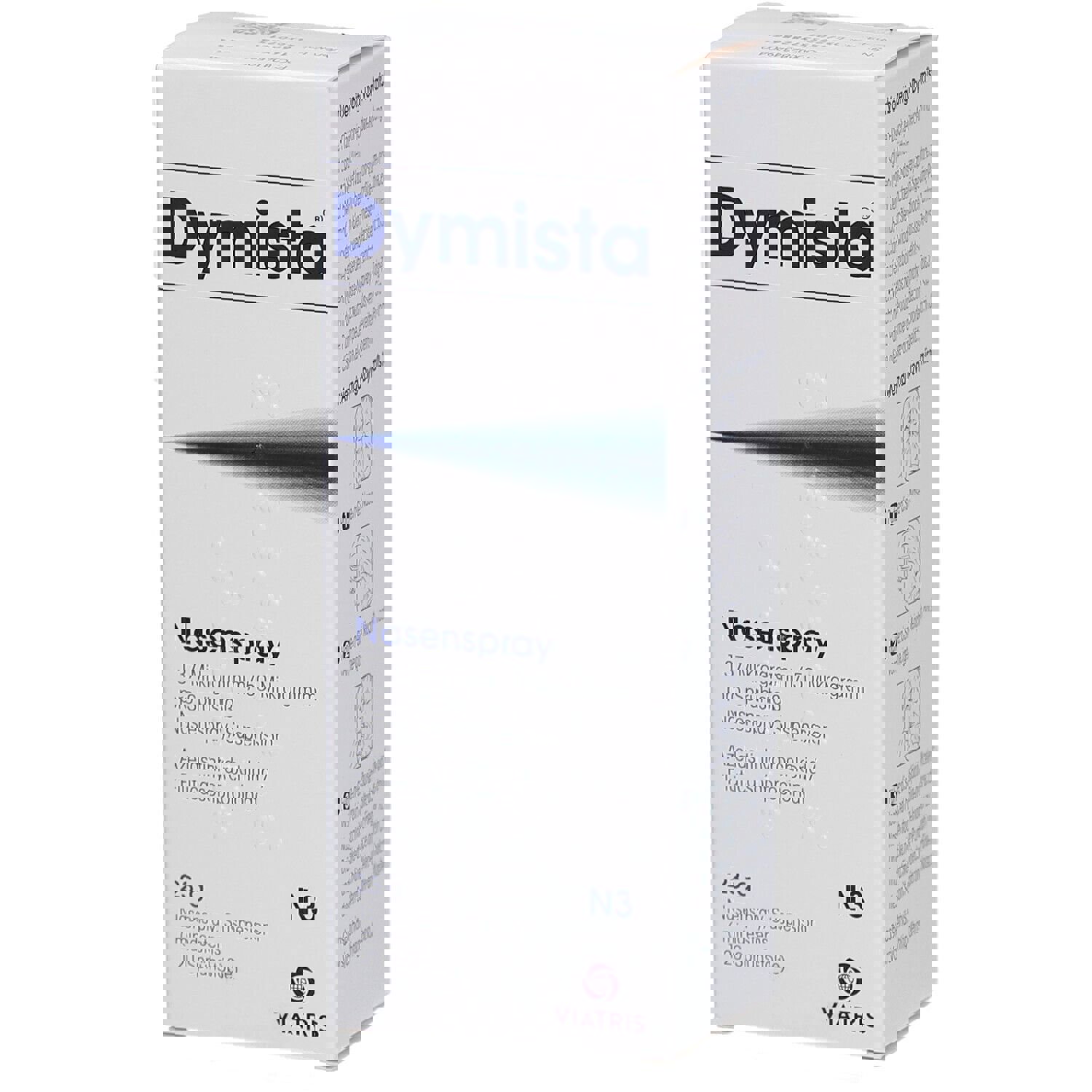
Dymista
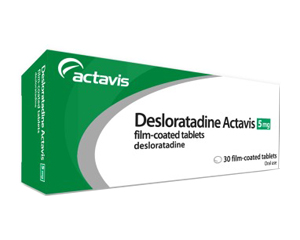
Desloratadine
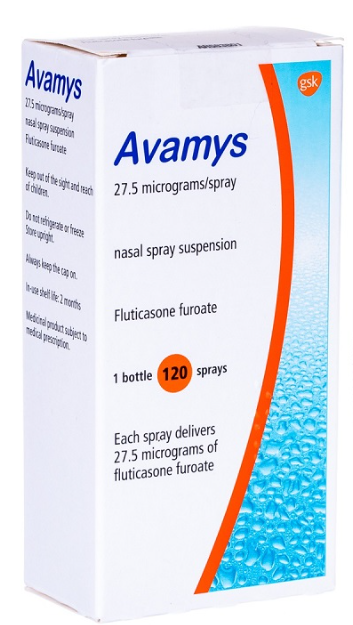
Avamys
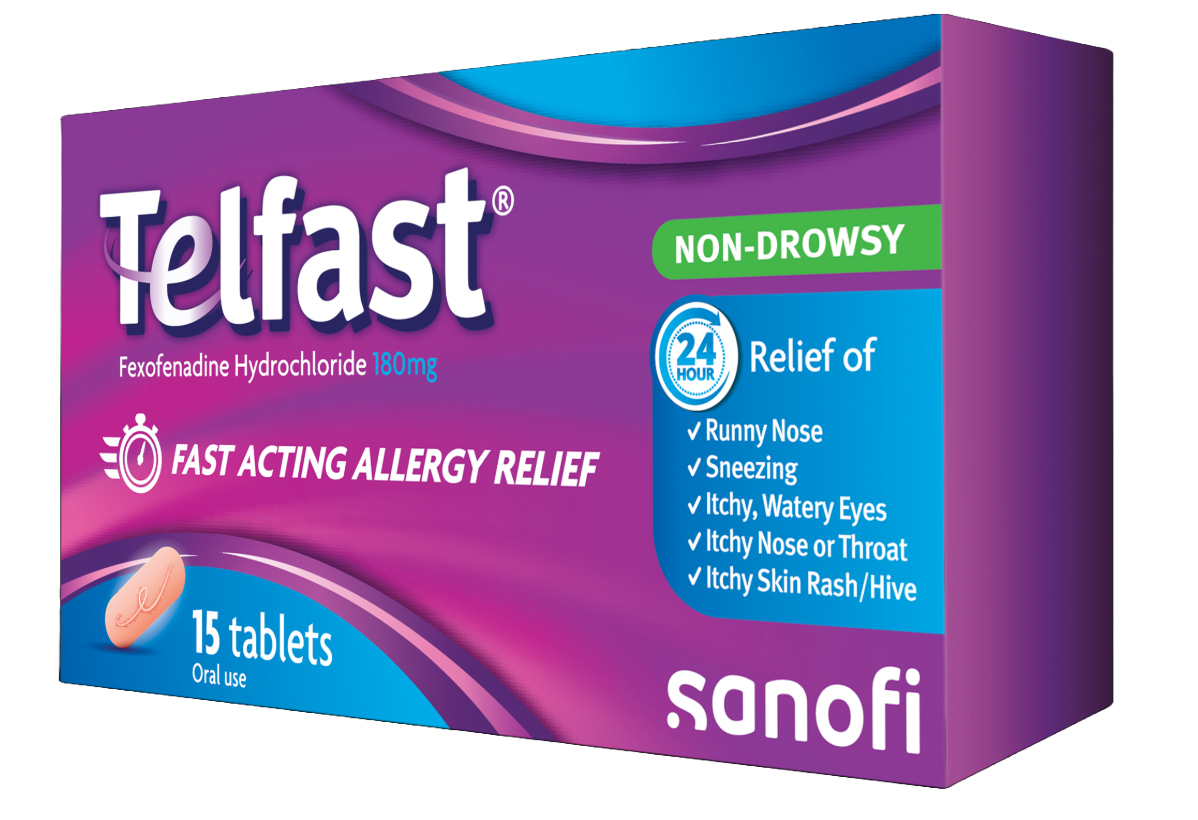
Telfast
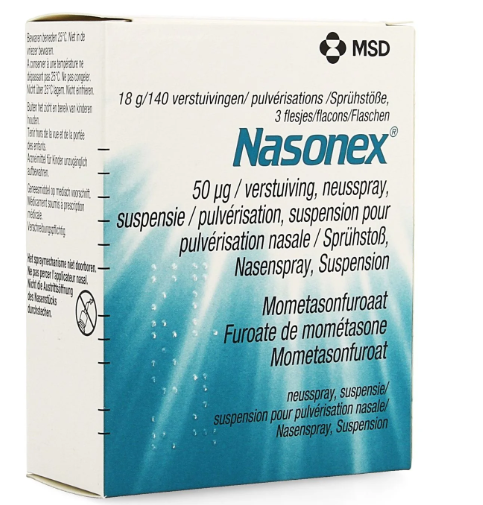
Nasonex Nasal Spray
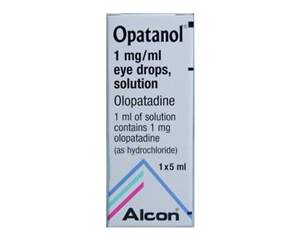
Opatanol
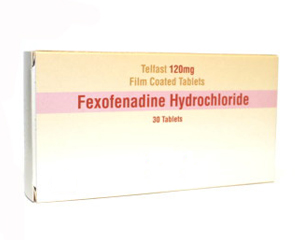
Fexofenadine
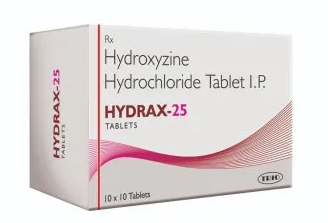
Hydroxyzine
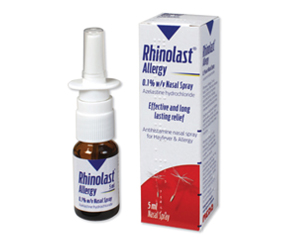
Rhinolast
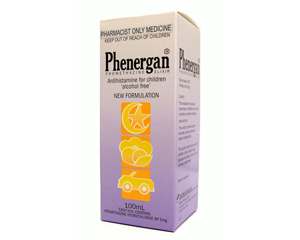
Phenergan
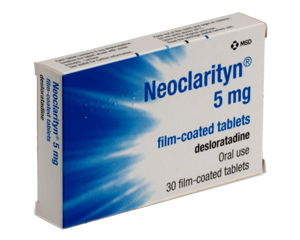
Neoclarityn
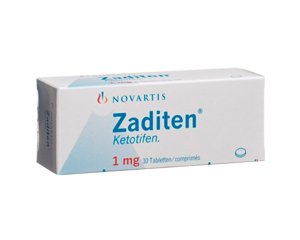
Zaditen
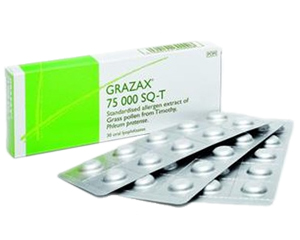
Grazax
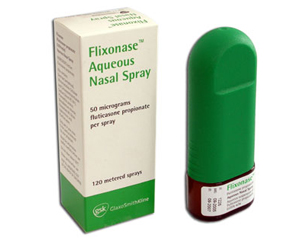
Flixonase
About Allergy & Hayfever
Clinical Overview of Allergic Conditions
An allergy is an over-reaction by your immune system. It makes an IgE-mediated response (an antibody-driven reaction) against harmless proteins from the environment, called allergens.
In the UK, allergic conditions have tripled over the past 30 years. Allergic rhinitis (hay fever) now affects 26% of adults and 10-15% of children.
Allergic rhinitis is grouped in two ways. By timing, it is intermittent (symptoms on fewer than 4 days/week or for fewer than 4 weeks in a row) or persistent (above those limits).
By severity, it is mild or moderate-severe, based on how much it disturbs sleep, daily activities, and work or school. This ARIA grouping guides how strong the treatment should be.
How it works in the body happens in two phases. The early phase starts minutes after you meet the allergen. Mast cells break open and release histamine, leukotrienes, and prostaglandins.
This causes sneezing, a runny nose, and itch. The late phase comes 4-8 hours later. White blood cells called eosinophils move in, causing a blocked nose, swollen lining, and lasting inflammation.
Common allergen triggers in the UK:
- Tree pollen (birch, oak, ash): February to May
- Grass pollen (timothy, rye): May to July, peak mid-June
- Weed pollen (nettle, dock): June to September
- House dust mite: all year, worse in autumn and winter
- Animal dander (cat, dog): all year
- Mould spores (Alternaria, Cladosporium): peaks in summer and autumn
Other conditions often come too. About 40% of people with allergic rhinitis also have asthma (the "unified airway" idea). Poorly controlled rhinitis raises the risk of an asthma flare by 2-3 fold.
Allergic conjunctivitis (itchy, red eyes) goes with rhinitis in 60-70% of cases. Chronic sinus inflammation, nasal polyps, and fluid behind the eardrum are also linked.
Severe allergy (anaphylaxis) affects about 1 in 1,333 people in the UK. For them, adrenaline auto-injectors and allergen testing through specialist immunology services are essential.
Antihistamine and Nasal Steroid Prescribing
Drug treatment for allergic rhinitis follows a step-by-step plan. It is guided by the ARIA grouping and by NICE Clinical Knowledge Summaries.
Second-generation (non-sedating) antihistamines are the first oral choice. They block H1 receptors in the body but barely enter the brain.
So they avoid the drowsiness and foggy thinking caused by older antihistamines.
Fexofenadine 180 mg once daily is the strongest non-sedating antihistamine. It is now the preferred choice for moderate-severe seasonal rhinitis.
It truly does not cause drowsiness, as it does not reach the brain at any dose.
It does not prolong the QT (a heart rhythm measure) and does not interact with grapefruit juice, unlike some other options. Its effect lasts 24 hours.
Cetirizine 10 mg once daily works well and is widely used. It does cause mild drowsiness in 5-10% of people. That makes it a fair choice when allergy is keeping you awake.
Loratadine 10 mg is the weakest of the three, but it is safe in pregnancy (Category B).
Intranasal corticosteroids (INS) are the single most effective drug class for allergic rhinitis. They ease all four main symptoms: sneezing, itch, runny nose, and blockage.
Oral antihistamines do not clear a blocked nose well.
Fluticasone furoate (Avamys), one spray in each nostril once daily, works for 24 hours. Very little gets into the bloodstream (0.5%).
Mometasone and fluticasone propionate are alternatives with similar profiles. You may feel some benefit within 12 hours, but full effect needs 1-2 weeks of steady daily use.
Prescribing strategy:
- Mild intermittent: oral antihistamine as needed
- Moderate-severe or persistent: an intranasal corticosteroid daily plus an oral antihistamine
- Not responding: add an intranasal antihistamine (azelastine), or consider a short course of oral prednisolone (10-20 mg for 5-7 days) for severe seasonal flares
- Eye symptoms: add a topical eye antihistamine (olopatadine, azelastine) or a chromone (sodium cromoglicate)
Combination intranasal sprays with fluticasone plus azelastine (Dymista) give better relief than either part alone. They are a useful step-up when one drug stops working.
Managing Severe and Refractory Allergies
Some people with allergies still get poor symptom control, even on the best drug treatment. These patients need further tests and may need specialist care.
Allergen immunotherapy (desensitisation) is the only treatment that changes the disease itself rather than just easing symptoms. You receive slowly rising doses of the allergen over 3-5 years.
This builds tolerance through regulatory T-cells and IgG4 blocking antibodies, which are parts of the immune system that calm the reaction.
Two routes are available in the UK:
- Subcutaneous immunotherapy (SCIT): injections given in a specialist clinic, usually monthly after a starting build-up phase
- Sublingual immunotherapy (SLIT): daily tablets or drops you take at home after the first dose is supervised (for example, Grazax for grass pollen)
NICE advises immunotherapy for people with moderate-severe allergic rhinitis that has not responded to 2 years of optimised drug treatment.
Studies show it cuts symptom scores by 30-40% and rescue medication use by 40-50%. The benefits last 7-12 years after you finish.
Anaphylaxis management is a vital part of allergy care. People at risk must carry two adrenaline auto-injectors at all times. Key points:
- Adrenaline (epinephrine) 0.3 mg IM is the first treatment, injected into the outer thigh
- Call a 999 ambulance straight after giving adrenaline
- Common triggers: peanuts, tree nuts, shellfish, insect venom (wasp/bee), medicines (penicillin, NSAIDs), latex
- Anyone who has had anaphylaxis should be referred to an NHS allergy clinic to find the trigger and make a plan
Drug allergy is reported by 10% of people, but testing confirms it far less often (1-2%). Penicillin allergy is over-reported.
In fact, 90% of people labelled penicillin-allergic tolerate it on a formal challenge. Removing wrong labels through specialist testing improves antibiotic use and patient care.
Chronic spontaneous urticaria (hives lasting 6+ weeks with no clear trigger) may need the antihistamine dose raised to 4x the standard dose under specialist advice.
If that fails, omalizumab (an anti-IgE antibody that blocks the allergic pathway) can be added per NICE TA339.
Practical Allergen Avoidance and Lifestyle Measures
Cutting your contact with allergens helps, alongside your medicines. You can rarely avoid them fully, but well-aimed steps can ease your symptoms a lot.
Reduce pollen contact during the grass pollen season (May-July):
- Check Met Office pollen forecasts. Limit time outdoors when counts go above 50 grains/m3 (high)
- Pollen peaks in the early morning (7-9 am) and the evening (5-7 pm). Going out at midday may be easier
- Shower and change clothes after being outside, to wash pollen from skin and hair
- Keep windows shut on high-count days. Use air conditioning with HEPA filters where you can
- Wrap-around sunglasses cut pollen reaching your eyes by 30-50%
- Rinsing your nose with salt water (NeilMed sinus rinse or similar) washes out allergen and mucus. It lowers symptom scores by 20-30%
House dust mite measures for year-round rhinitis:
- Cover your mattress, pillows, and duvets with allergen-proof covers. This cuts mite antigen by 90%
- Wash bedding at 60 degrees Celsius each week. This kills mites; cooler washes do not
- Keep indoor humidity below 50% with a dehumidifier. Mites need 70%+ humidity to thrive
- Take up bedroom carpets where you can. Hard floors hold far fewer dust mites
- HEPA-filter vacuum cleaners trap more allergen than standard ones
Pet allergen management when you cannot rehome the pet:
- Keep pets out of bedrooms completely
- HEPA air purifiers in main living areas cut airborne Fel d 1 (cat allergen) by 50-60%
- Wash pets weekly. This cuts shed allergen by 85% for 2-3 days
- Leather or wood furniture holds less allergen than fabric
Diet may help too. A Mediterranean diet, rich in antioxidants, omega-3 fatty acids, and flavonoids, has been linked to milder allergic rhinitis in population studies.
Low vitamin D (below 50 nmol/L) is linked to more severe allergy. Topping it up to a healthy level is reasonable.
Frequently Asked Questions
Is fexofenadine better than cetirizine?
When should I start taking hay fever medication?
Can I use a nasal spray and tablets together?
Why do antihistamines stop working over time?
Are nasal steroid sprays safe for long-term use?
Should I get allergy testing?
The medical information on this site is provided for educational purposes. It does not replace a face-to-face consultation with your GP or specialist. Always follow the advice of your prescribing doctor and read the patient information leaflet supplied with your medication.