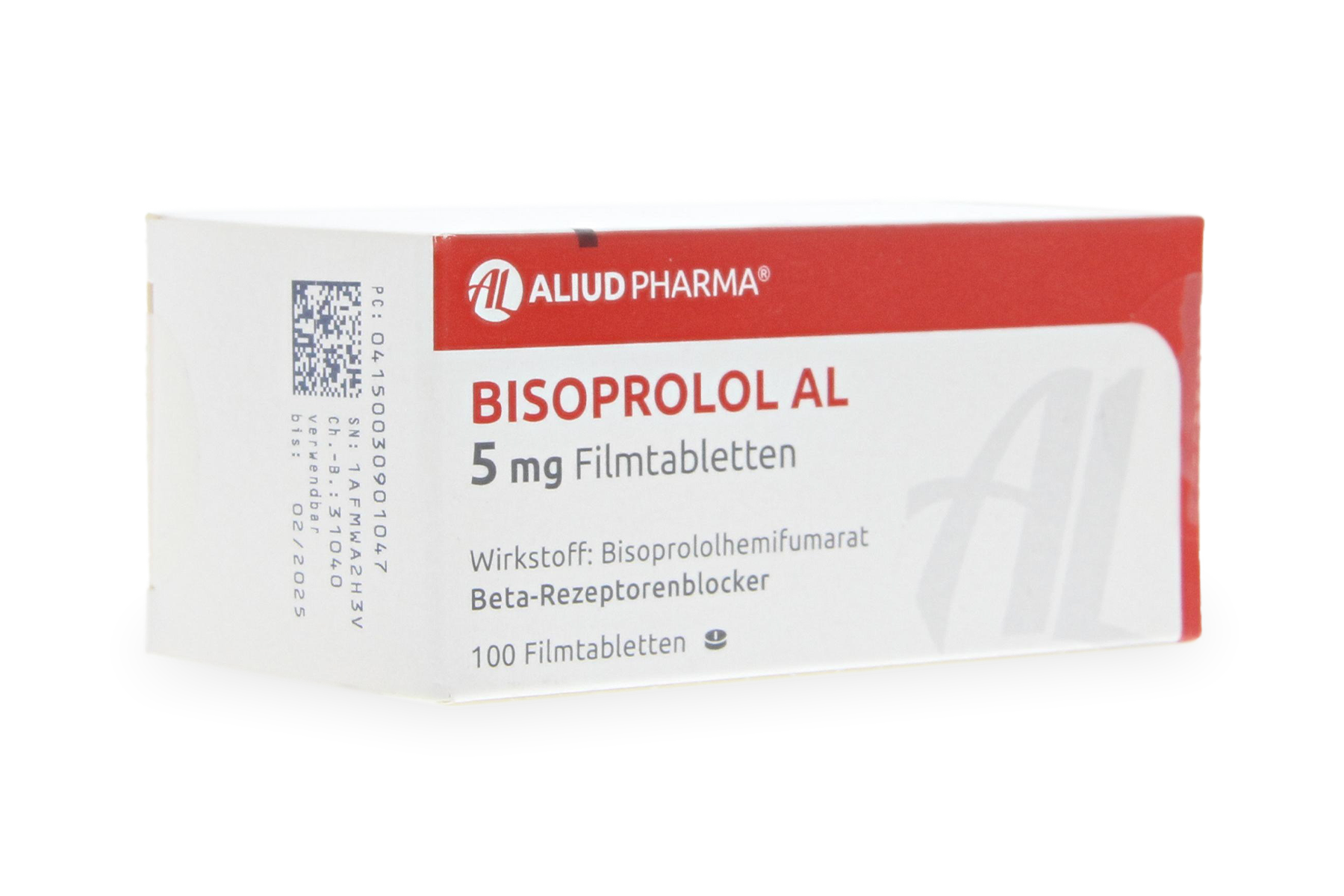
Bisoprolol
Incl. online consultation, medicine and discreet delivery
View Options
The medical information on this site is provided for educational purposes. It does not replace a face-to-face consultation with your GP or specialist. Always follow the advice of your prescribing doctor and read the patient information leaflet supplied with your medication.
Choose Your Medicine
Select dosage and quantity
Online Consultation
Reviewed by a qualified physician
Fast, Discreet Delivery
Delivered to your door
Medical Information
About This Medicine
Bisoprolol is a cardioselective beta-1 adrenergic blocker prescribed for hypertension, stable chronic heart failure, and chronic stable angina.
It is one of the most commonly used beta-blockers in clinical practice due to its once-daily dosing and favourable selectivity profile.
Bisoprolol works by selectively blocking beta-1 receptors in the heart, reducing heart rate, myocardial contractility, and cardiac output.
This lowers blood pressure and reduces the heart's oxygen demand.
At therapeutic doses it has minimal effect on beta-2 receptors in the lungs and peripheral vasculature, though selectivity is not absolute.
Heart Failure
In chronic heart failure with reduced ejection fraction, bisoprolol is one of four recommended beta-blockers shown to reduce mortality and hospital admissions.
Treatment is initiated at a very low dose and titrated up slowly over weeks to months, under close medical supervision.
Hypertension and Angina
Bisoprolol lowers blood pressure through sustained reduction of cardiac output and suppression of renin release.
In angina, it reduces the frequency and severity of episodes by lowering myocardial oxygen consumption during exertion.
Usage & Dosage
How to Take Bisoprolol
Swallow the tablet whole with water, in the morning, with or without food. Take it at the same time each day. Do not crush or chew the tablet.
Do Not Stop Suddenly
Never stop bisoprolol abruptly. Sudden withdrawal can cause rebound tachycardia, worsening angina, or even myocardial infarction in susceptible patients.
If discontinuation is needed, your doctor will taper the dose gradually over one to two weeks.
Monitoring
Your doctor will check your heart rate, blood pressure, and symptoms regularly, particularly during dose titration in heart failure.
Hypertension and Angina
- Starting dose: 5 mg once daily
- Usual maintenance: 5-10 mg once daily
- Maximum: 20 mg once daily
Chronic Heart Failure
- Starting dose: 1.25 mg once daily
- Titration: double the dose at 1-2 week intervals if tolerated
- Target dose: 10 mg once daily
- Titration is guided by heart rate, blood pressure, and clinical tolerance
Renal or Hepatic Impairment
- Severe renal or hepatic impairment: do not exceed 10 mg daily
Elderly
- No specific dose reduction; titrate based on response
Side Effects
Common (up to 1 in 10 patients)
- Fatigue or tiredness, particularly during the first weeks
- Cold hands and feet
- Dizziness or lightheadedness
- Headache
- Nausea or diarrhoea
- Bradycardia (slow heart rate)
Uncommon (up to 1 in 100 patients)
- Sleep disturbance or vivid dreams
- Depressed mood
- Worsening of heart failure symptoms during up-titration
- Orthostatic hypotension
Rare (up to 1 in 1,000 patients)
- Bronchospasm in patients with reactive airways
- Erectile dysfunction
- Hepatitis with raised liver enzymes
Very Rare (fewer than 1 in 10,000 patients)
- Severe bradycardia or atrioventricular block
- Worsening of psoriasis
Fatigue and cold extremities are the most frequently reported effects and often improve with continued therapy.
Warnings & Precautions
Asthma and COPD
Bisoprolol is cardioselective but not entirely lung-sparing at higher doses. Use with extreme caution in asthma.
In COPD without significant reversibility, it can usually be used safely at standard doses, but monitor for wheeze.
Diabetes
Beta-blockers can mask the symptoms of hypoglycaemia (tremor, tachycardia) and may prolong recovery from low blood sugar. Monitor glucose levels more closely when starting bisoprolol.
Peripheral Vascular Disease
Bisoprolol may worsen symptoms of Raynaud's phenomenon or intermittent claudication. Report increased coldness, numbness, or pain in the extremities.
Surgery
Inform the anaesthetist that you take a beta-blocker. Bisoprolol is usually continued through surgery but the anaesthetic team must be aware.
Phaeochromocytoma
Do not give bisoprolol without prior alpha-blockade.
Contraindications
Do not take bisoprolol if you have:
- Acute decompensated heart failure requiring intravenous inotropic support
- Cardiogenic shock
- Second- or third-degree atrioventricular block (without a pacemaker)
- Sick sinus syndrome (without a pacemaker)
- Sinoatrial block
- Symptomatic bradycardia (heart rate below 50 bpm before treatment)
- Severe hypotension (systolic below 90 mmHg)
- Severe bronchial asthma
- Untreated phaeochromocytoma
- Metabolic acidosis
- Known hypersensitivity to bisoprolol fumarate
Frequently Asked Questions
Why must I not stop bisoprolol suddenly?
Will bisoprolol affect my exercise tolerance?
Can I drink alcohol while taking bisoprolol?
Does bisoprolol cause weight gain?
Is bisoprolol safe in pregnancy?
Related articles: Bisoprolol
Bisoprolol side effects: what you need to know
Bisoprolol is a widely prescribed beta-blocker used for heart failure, high blood pressure and angina. Common side effects include tiredness, dizziness and cold hands or feet. Serious but rare reactions such as severe bradycardia or bronchospasm require prompt medical attention. Most side effects settle within the first few weeks of treatment.
nhs-infoBisoprolol: NHS information and prescribing guide
Bisoprolol is a beta-blocker prescribed on the NHS for heart failure, high blood pressure and angina. It works by slowing the heart rate and reducing the workload on the heart. This article covers everything you need to know, including dosage, side effects, interactions and how to take it safely.