
Stronger bones, supported by vitamin D
Look after your bones with proven treatments for osteoporosis and vitamin D deficiency. Complete a short online consultation and an EU-registered doctor reviews your answers. If a treatment such as risedronate or vitamin D3 suits you, a prescription is issued and your medication is sent in discreet packaging to your door.
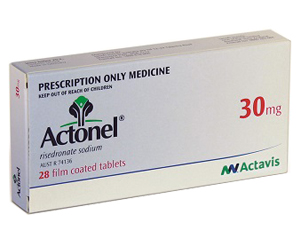
Risedronate (Actonel) is a bisphosphonate used for osteoporosis.
Vitamin D3 (colecalciferol) supports calcium uptake and bone strength.
Reviewed by an EU-registered doctor after an online consultation.
Discreet delivery in plain, unmarked packaging.
About Bone Health & Vitamin D
Bone health and osteoporosis
Bone is living tissue. It is broken down and rebuilt throughout your life. When more bone is lost than replaced, the skeleton becomes thinner and weaker. This is called osteoporosis.
Bones become fragile and can break after a minor fall or even a simple bump. The hip, wrist and spine are affected most often.
Osteoporosis is common after the menopause because falling oestrogen levels speed up bone loss. Older men are also at risk.
Other factors include long-term steroid use, smoking, heavy drinking, a thin frame and a family history of fractures.
Vitamin D plays a central role. It helps your gut absorb calcium from food, and calcium is the main mineral that gives bone its hardness.
Without enough vitamin D, you cannot use the calcium you eat, however much you take in. Low vitamin D over time can lead to soft bones and a higher fracture risk.
Many people have low vitamin D, especially in winter and in northern countries where sunlight is weak. A blood test can confirm a deficiency.
Treating low bone density usually combines bone-protecting medication with enough calcium and vitamin D, plus changes to diet and activity.
Treatment options and dosing
Risedronate (Actonel) belongs to a group of medicines called bisphosphonates. They slow the cells that break down bone, so the skeleton stays denser and fractures are less likely.
Risedronate is taken by mouth, often as a 35 mg tablet once a week or a 5 mg tablet once a day, depending on what the doctor prescribes.
The way you take a bisphosphonate matters. Swallow the tablet whole with a full glass of plain water, first thing in the morning and on an empty stomach.
Stay upright, sitting or standing, for at least 30 minutes and do not eat, drink anything else or take other medicines during that time.
This protects the food pipe and helps the body absorb the drug.
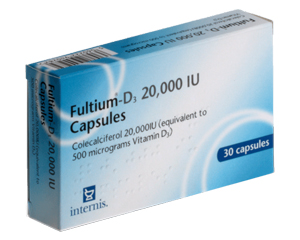
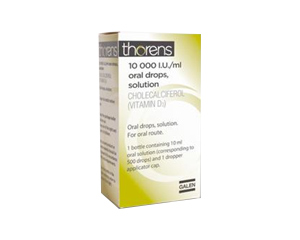
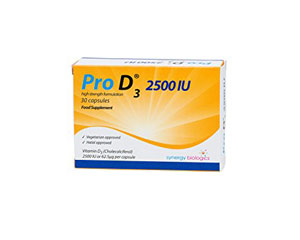
Vitamin D3 (colecalciferol) is sold as Fultium-D3, Pro-D3 and Thorens.
A common maintenance dose is around 800 to 2000 IU per day, while a confirmed deficiency may need a higher loading dose for a short period under medical guidance.
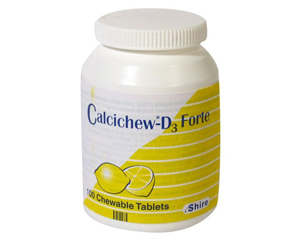
Calci-Chew D3 combines calcium carbonate with vitamin D3 in a single chewable tablet, which is useful when dietary calcium is low.
Most people on a bisphosphonate also need enough calcium and vitamin D, because the medicine works best when these are not lacking.
The online consultation helps the doctor match the right product and dose to you.
Side effects and safety
Bisphosphonates such as risedronate are generally well tolerated, but they can irritate the food pipe. The most common complaints are heartburn, indigestion, difficulty swallowing or stomach upset.
Taking the tablet correctly, with plenty of water and staying upright, lowers this risk. Tell the doctor if you have problems swallowing or known issues with your oesophagus.
Muscle, joint or bone aches can occur, usually mild. Rare but serious effects include osteonecrosis of the jaw and unusual thigh-bone fractures, more likely with long-term use.
Good dental care matters, so mention any planned dental surgery.
Vitamin D and calcium are safe at normal doses, but more is not better. Too much vitamin D over time can raise blood calcium too high, a state called hypercalcaemia.
Signs include nausea, vomiting, constipation, excessive thirst, frequent urination, confusion and weakness.
Stick to the prescribed dose and do not combine several high-strength supplements without advice.
Tell the doctor about kidney problems, low blood calcium, or other medicines. People with severe kidney disease may not be suitable for some treatments.
Seek medical help promptly if you have chest pain on swallowing, severe stomach pain or symptoms of high calcium.
Diet, sunlight and exercise
Daily habits build and protect bone. Aim for enough calcium from food: dairy such as milk, cheese and yoghurt, tinned fish with soft bones, leafy greens, tofu and fortified plant drinks.
Most adults need around 700 to 1000 mg of calcium a day from diet and supplements combined.
Vitamin D mainly comes from sunlight on the skin. Short, regular spells outdoors in the warmer months help your body make its own supply.
In autumn and winter, and at northern latitudes, sunlight is too weak, so food sources such as oily fish and eggs, plus a supplement, become important.
Weight-bearing and resistance exercise tells the body to keep bone strong. Walking, dancing, stair climbing, light weights and resistance bands all help.
Balance work such as standing on one leg or simple yoga lowers the chance of falls, which cause most fractures.
Cut back on smoking and heavy drinking, as both weaken bone. Keep your home safe from trip hazards, use good lighting and wear well-fitting shoes.
These steps work alongside any prescribed medicine rather than replacing it, and together they give your skeleton the best protection.
Frequently Asked Questions
What is risedronate used for?
How much vitamin D should I take?
Why must I take a bisphosphonate on an empty stomach?
Can I take calcium and vitamin D together?
Is too much vitamin D harmful?
How does ordering through Dr. Presc work?
The medical information on this site is provided for educational purposes. It does not replace a face-to-face consultation with your GP or specialist. Always follow the advice of your prescribing doctor and read the patient information leaflet supplied with your medication.